This month I have teamed up with my colleague Kara Gansmann to help provide some insight on some hot topics for employers with regards to the Affordable Care Act (ACA). In our last post she shared a basic primer on the ACA. This time she is offering up insights on look-back periods and variable-hour employees.
To comply with the “pay or play” provisions of the Affordable Care Act, certain large employers must determine which employees are full-time employees. If an employee works on average 30 hours or more each week, the determination is easy, and the employee’s eligibility for health care benefits can be determined by the employer on a month-to-month basis.
If an employer cannot in good faith determine whether the employee is expected to average 30 hours per week, then that employee is a variable-hour employee. Whether a variable-hour employee is eligible for health care benefits requires a retrospective calculation of the employee’s hours in an approach called the “look-back measurement method.”
The look-back measurement method is comprised of two required periods of time: a measurement period and a stability period, which are both set by the employer. The measurement period is between three and 12 consecutive calendar months. If an employee worked on average at least 30 hours of service per week during that measurement period, then that employee is considered a full-time employee who is eligible for health care benefits. The stability period that follows lasts at least six consecutive calendar months and cannot be shorter than the prior measurement period. During the stability period, those eligible full-time variable-hour employees will receive health care benefits for the duration of the stability period as long at the employee remains employed and even if the employee’s hours in that stability period fall below 30 hours each week.
For newly hired employees, if, at the time of hiring, it is uncertain whether an employee will be a full-time employee, an employer may define a future measurement period to determine whether a newly hired employee may be eligible for health care benefits during an associated stability period. An employer is not penalized for failing to offer health care benefits to newly hired variable-hour employees during their initial measurement periods.
General steps to apply the look-back method:


Wilmington Health Facility Sells For $9.4M
Cierra Noffke
-
Oct 26, 2026
|

While downtown also benefits from general fund expenditures, the municipal service district (MSD) “is a way of having some additional money...
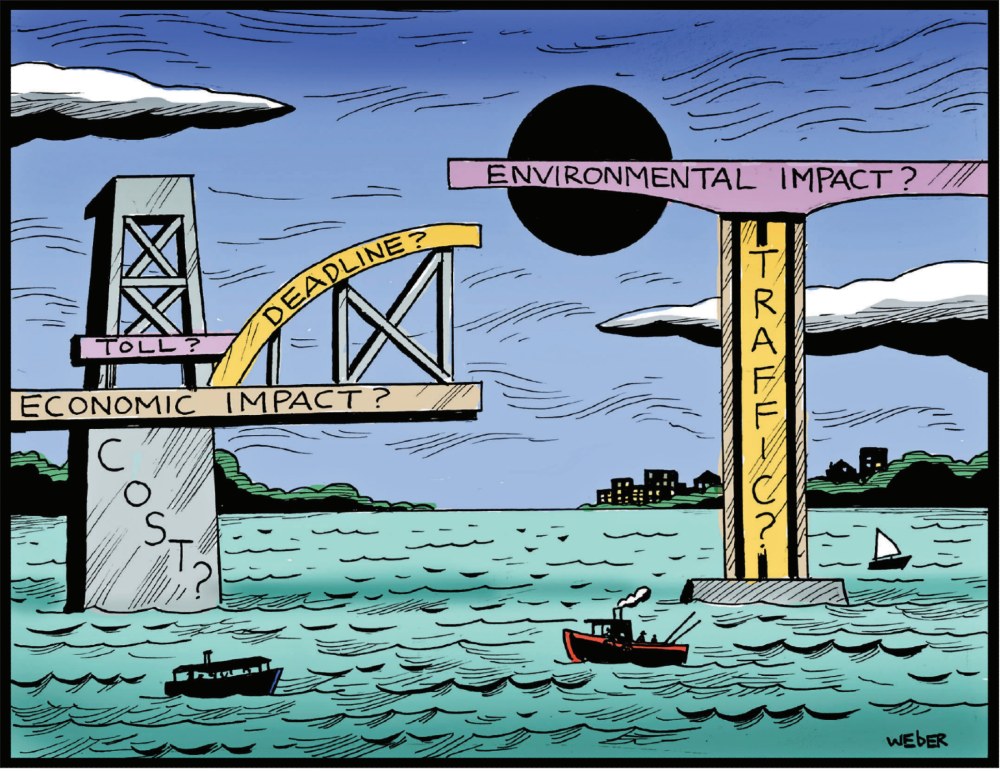
Support for the lower, movable-span bridge dominated spoken comments at the public hearings, and city officials have thrown their support be...

Uncertainty hangs over the hemp industry, including businesses in Wilmington that depend on the sale of hemp-based THC products....

The 2026 WilmingtonBiz: Book on Business is an annual publication showcasing the Wilmington region as a center of business.