Donations to nonprofits, by their very nature, provide a return on a community’s investment. In many cases, the return can be estimated in dollars.
 For example, with the help of volunteers, WARM may spend $2,500 on the home of an older adult to build a wheelchair/walker ramp, install grab bars, and complete other accessibility upgrades. These fall prevention measures may enable the homeowner to remain safe and independent in their home for three years or longer. Falls can cause head, hip, or other serious injuries, requiring a costly emergency room visit and ultimately assisted care. The median annual cost of an assisted living facility in the Wilmington area (the highest in the state) is over $50,000. That $2,500 investment can save $150,000!
Savvy donors always ask nonprofit leaders to report back on the ROI, measured sometimes by dollars saved and always by impact in the world: homes rebuilt, acres conserved, children fed, patients seen.
I’ve observed four nonprofit investment approaches. If you are on a board or donate to a local charity, think about the characteristics you’ve observed.
Fixed
The organization is meeting the need for its services at its current capacity. Leaders have decided it is not necessary to grow. Maintenance, staffing, and other ongoing expenses are covered; investing in sophisticated technology, new/larger facilities, personnel, and other infrastructure is not needed.
Fearful
Many organizations cannot meet the demand for their services, but the leaders shy away from investments. They may look at a recommendation for a $2,000 database and think, “$2,000 could buy a lot of program supplies,” or assume donors don’t want to pay for indirect costs such as continuing education. They are afraid to make a mistake; so, they play it safe.
Foolish
Any investment decision requires a careful analysis of the expected benefits and risks. This becomes even more important when managing donated funds. Obviously, buying every shiny new toy or spending extravagantly on events and facilities can drain funds intended for the mission. This does not honor our donors or improve our service to the people who need us.
Fruitful
Investments in nonprofits have a high return when they build the capacity of the organization to fulfill its mission. Just as in the for-profit sector, the return can be measured in dollars. That $2,000 database may save $4,000 worth of staff administrative time over the next three years, leaving more resources for the program in the long run.
In the nonprofit sector, there is a second bottom line: How much more impact can we make? That continuing education may result in a stronger after school program or a more efficient building practice. Most donors expect charities to strive for excellence.
At WARM our cost benefit analysis includes questions such as:
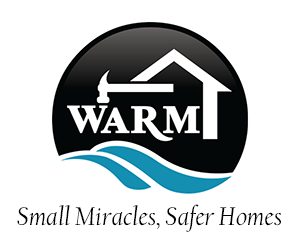

Wilmington Health Facility Sells For $9.4M
Cierra Noffke
-
Oct 26, 2026
|
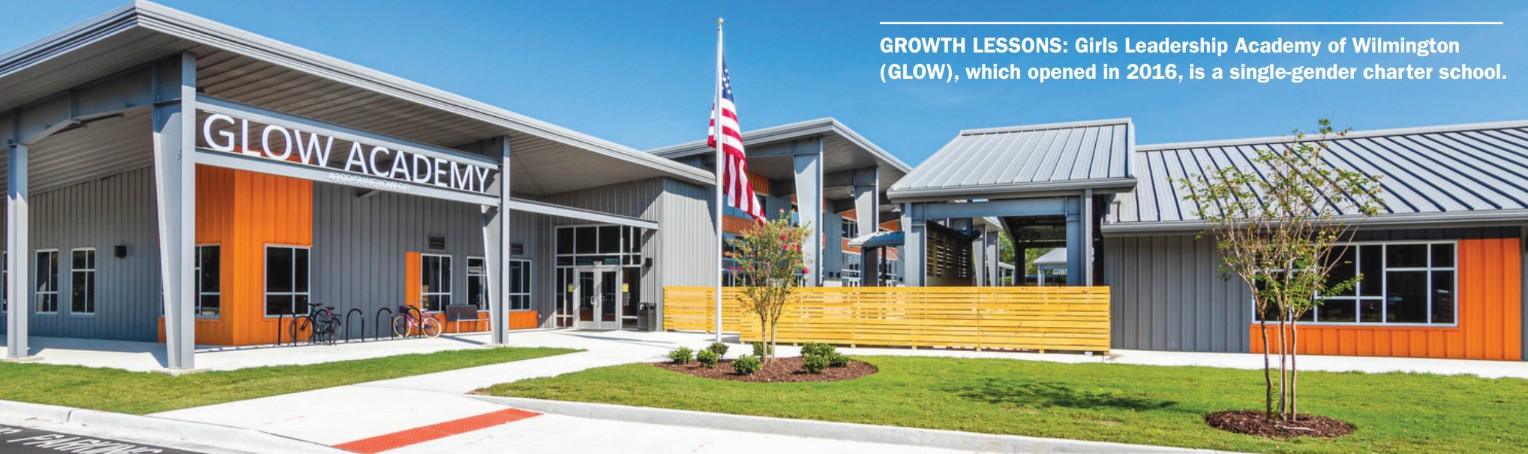
While the state’s charter school sector grows, Wilmington charter schools are seeing demand of their own – presenting both opportunities and...
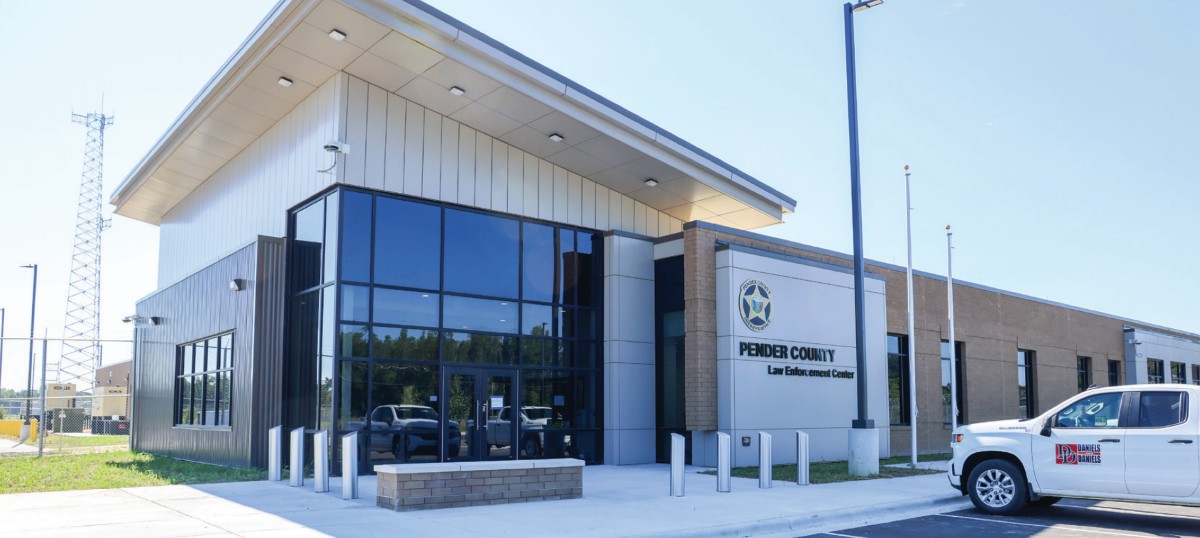
New buildings have opened or will soon open in Burgaw this year to support growing Pender County, including a new law enforcement center and...
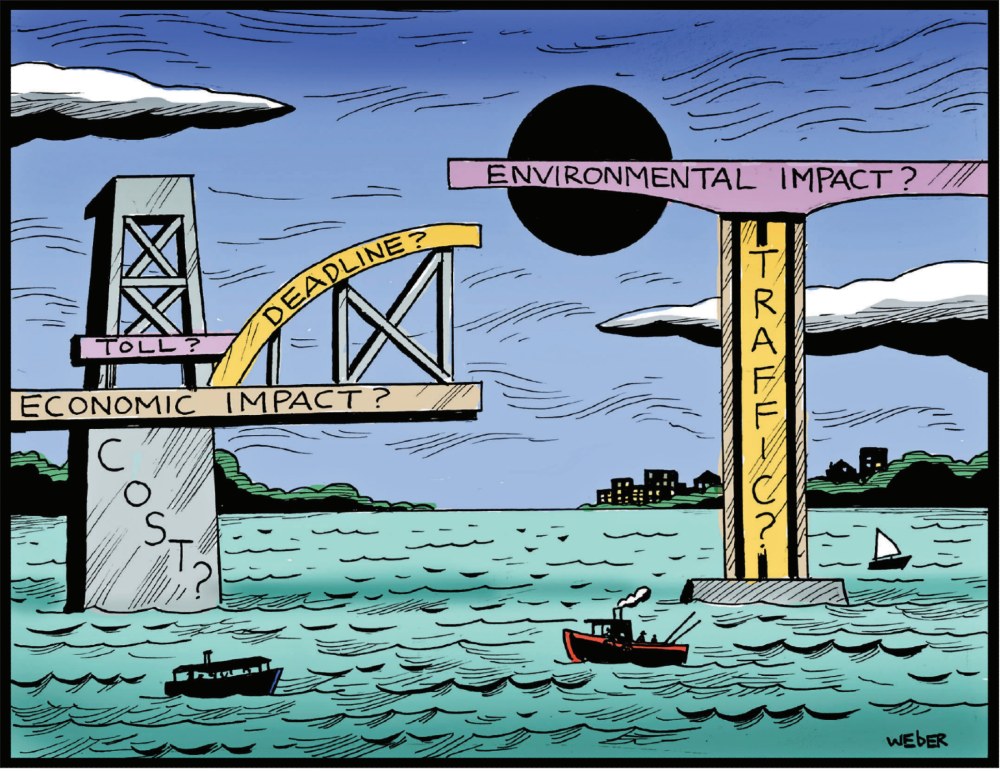
Support for the lower, movable-span bridge dominated spoken comments at the public hearings, and city officials have thrown their support be...

The 2026 WilmingtonBiz: Book on Business is an annual publication showcasing the Wilmington region as a center of business.