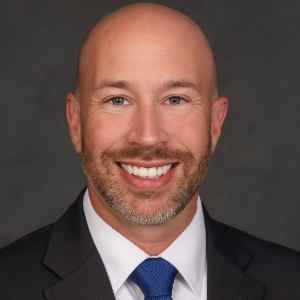
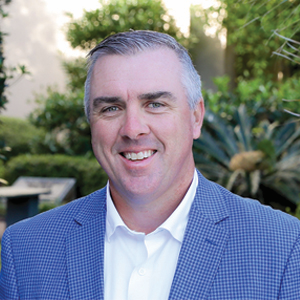
We are pleased to say our enrollment is up at Cape Fear Community College this fall, despite the challenges of COVID-19. Our faculty and staff have focused their efforts to create a safe and engaging atmosphere for our students, whether their classes are meeting online or in-person. Though the virus has impacted everyone at CFCC, we all realize how important it is for instruction to continue, unabated, to meet the needs of our community. I am so pleased with all we have accomplished at CFCC.
COVID-19 however, is not the only ongoing challenge we face. New Hanover and Pender Counties continue to wrestle with the impacts of another healthcare crisis — substance abuse, namely, the opioid crisis. According to North Carolina's Department of Health and Human Services, more than 12,000 deaths in our state were attributed to opioid overdose between 1999 and 2017.
Cape Fear Community College established the Human Services Technology program in 2018 to equip and educate professionals to address the opioid epidemic in our community. As we continue to navigate the waters of providing safe, quality instruction during a global pandemic, we are striving to adapt and maintain focus on the overall health of our community. I’ve asked Dr. LaTonya Niang to share how CFCC’s Human Services Technology Substance Abuse program is training professionals to serve our local community in the face of a global pandemic and opioid epidemic.
Training Qualified Human Service Professionals
CFCC's Human Services Technology Substance Abuse program prepares students to assist those struggling with addiction. Substance abuse professionals are uniquely positioned to help people cope with heightened levels of anxiety, job loss, and increased stress. CFCC's students are trained in case management, client advocacy, direct interventions for prevention and education, and supportive outreach. These interventions can provide resources to a vulnerable population for whom positive coping skills are essential.
Our program continues to grow to meet area needs and we are expanding the diversity and expertise of our faculty. In addition, we must now prepare students to work safely, within a socially-distanced and potentially virtual workforce.
As COVID-19 began to make its way across our nation, there were concerns in the substance abuse treatment community regarding access to care. Fortunately, addiction professionals were able to continue to provide treatment via telemedicine. Although addiction professionals have been aware of e-therapy as an option for treatment for years, the practice of telemedicine is now commonplace. CFCC has reacted to this change by adjusting our program to provide instruction online, including virtual collaborative meetings.
Students in CFCC’s program learn that human service professionals provide support to people facing all sorts of problems. Now students must learn to address these problems virtually. In addition, we have implemented instruction regarding self-care practices that help prevent compassion fatigue and burn out in addiction professionals. Students can implement these strategies for their own personal wellness and also employ these techniques to assist clients.
The growing need for Substance Abuse Counselors
According to the Bureau of Labor Statistics, employment of substance abuse counselors is projected to grow 25% through 2029. The COVID-19 pandemic has been called a “national relapse trigger.” Since the pandemic began, at least 30 states have reported increases in opioid fatalities. Nearly half of all Americans report that the pandemic is negatively impacting their mental health. Emergency hotlines have reported a 1,000% increase in emotional distress reports. The stress and isolation caused by social distancing measures have made it difficult for people to maintain their mental health, especially during times of recovery. This crisis must not be forgotten because of COVID. We are committed to helping more students become counselors who can help individuals struggling with addiction to overcome their disease.
“The Health Sciences division at Cape Fear Community College strives to provide educational resources to meet the community and healthcare needs of the Cape Fear region,” said Dr. Mary Ellen Naylor, Dean of Health Sciences at CFCC. “Dr. Niang and her faculty have unique expertise and community networks they can use to educate and provide work-based learning experiences that will allow students to graduate from the program as qualified human service professionals who can give back to our community. All of our health science programs must prepare students not only for their future careers, but now must consider the impacts of COVID-19 on each profession.”
For more information about the human services substance abuse technology program, visit cfcc.edu/human-services-technology/.
Jim Morton became President of Cape Fear Community College in April 2018. Prior to becoming President, Mr. Morton served as Executive Vice President and as Vice President of Business and Financial Services at CFCC. Cape Fear Community College is the 6th largest community college of the 58 community colleges in the North Carolina Community College System.


Tech Wilmington: Upcoming Events Calendar
Staff Reports
-
Oct 21, 2026
|
|
Corning Moves Forward With Wilmington Expansion
Cierra Noffke
-
Oct 21, 2026
|
|
Wilmington Startup Joins NVIDIA Inception Program
Cierra Noffke
-
Oct 23, 2026
|
|
Live Oak Bank Reports Q3 Revenue Growth
Cierra Noffke
-
Oct 22, 2026
|
|
Under New Owner, Pour Taproom To Add More Nonalcoholic Beverages, Events
Emma Dill
-
Oct 21, 2026
|
|
Five candidates are vying for two seats on the New Hanover County board....
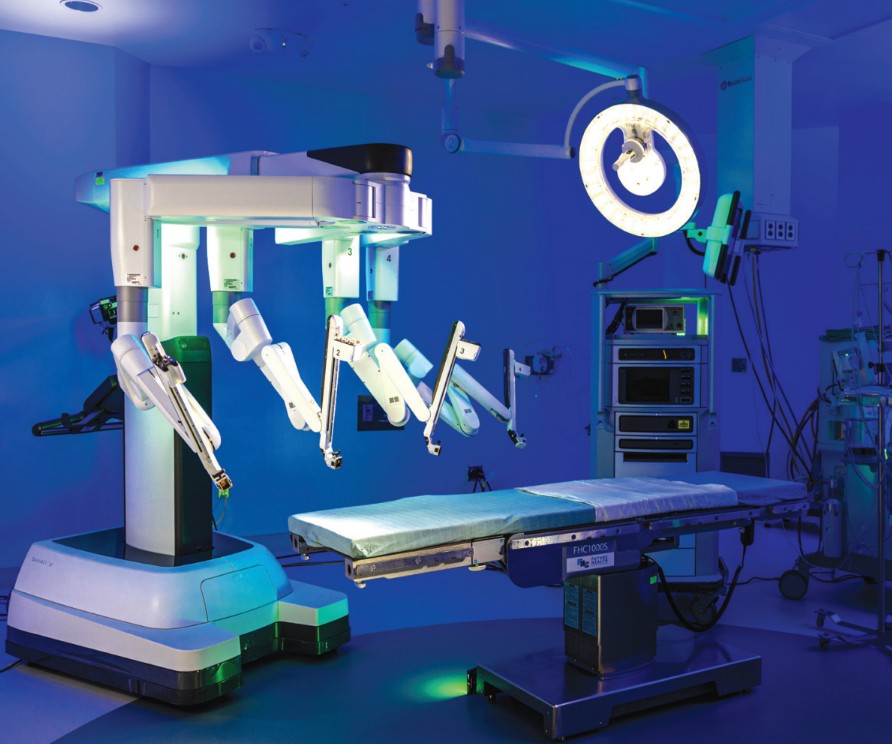
A CON law prohibits healthcare providers from building certain medical facilities, developing new health services or acquiring certain medic...
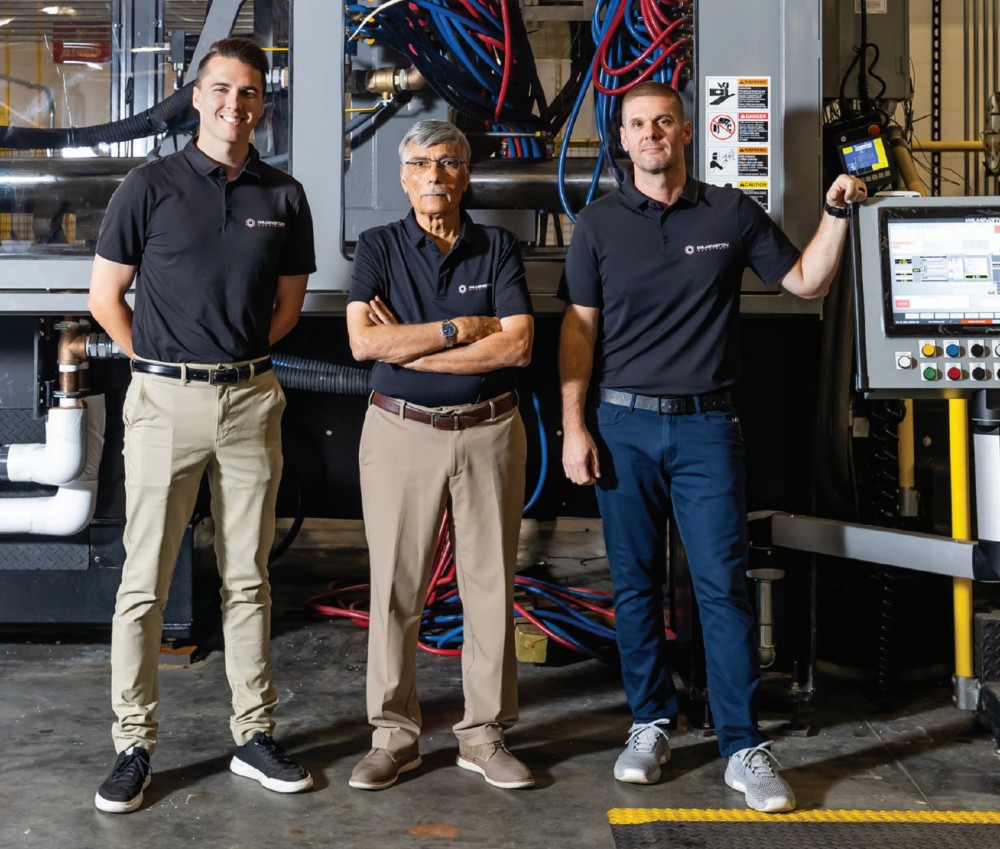
Now under the ownership of Yousry Sayed, the founder of Quality Chemical Laboratories, Wilmington Machinery is eyeing business growth....

The 2026 WilmingtonBiz: Book on Business is an annual publication showcasing the Wilmington region as a center of business.