A growing number of American adults are choosing to cohabitate instead of getting married.
Their reasons for cohabitation range from financial need to “been there, done that.”
Some unmarried couples believe they do not need an estate plan because do not have kids together. However, there are several reasons why committed unmarried couples should consider estate planning together.
One reason to consider estate planning is the ability to appoint each other to make major medical decisions. A document called a healthcare power of attorney is considered one of the most important estate planning documents.
In a healthcare power of attorney, a person can appoint other individuals to make medical decisions when that person is unable to communicate choices for medical care. Without this document in place, an unmarried partner will often not be allowed to make any healthcare decisions when the other partner is hospitalized.
Instead, to gain the right to make medical decisions for an incapacitated loved one, the unmarried partner could face costly guardianship proceedings in court. Executing a healthcare power of attorney could resolve some of the stress that comes with caring for a loved one in a medical setting.
If unmarried couples reside in the same home, estate planning could be important in ensuring the real property passes to the surviving partner. For example, consider a scenario in which both individuals paid half the costs to purchase a home, but the home was actually titled in only one partner’s name because that partner had a better credit score. If the homeowner partner died without a will, the house would not transfer to the surviving partner. Instead, the home would pass to relatives of the deceased partner under North Carolina intestacy laws.
Having a will in place could ensure the surviving partner receives title in the home after the other partner died or at least have the right to continue to reside there. A will would similarly ensure that other assets in the estate passed along to specific people instead of the individuals outlined in intestacy laws.
Marital status takes on more meaning if a senior couple is contemplating planning for long-term care costs or even applying for certain benefits like Veterans’ Aid and Attendance, or when determining eligibility for certain benefits like Medicaid.
Unmarried seniors may also want to consider whether revocable living trusts are beneficial to ensure that both a partner, as well as children from previous relationships, will be taken care of upon death. A trust could ensure that an unmarried partner would be able to continue to reside in the pair’s residence, with use of their combined furnishings and household goods, while still ensuring that the first to die’s wishes are met regarding distribution of assets to children or other dependents.
The best way to ensure unmarried partners will be taken care of during the incapacity or death of the other partner is to talk to an estate planning attorney for recommendations.
Kara Gansmann is an attorney in the Wilmington office of Cranfill Sumner & Hartzog LLP, where her practice encompasses elder law and estate planning. Kara advises individuals and families with estate planning needs and asset protection tactics. In this role, she strategizes with clients to preserve assets for long-term care and to leave legacy gifts to family members. Kara works with elderly clients in need of Medicaid crisis planning and Medicaid applications. As part of her practice, Kara drafts wills, trusts and powers of attorney. In the courtroom, Kara represents clients in the administration of estates, guardianship/incompetency proceedings, and guardianship administration. Kara also litigates estate and trust matters, including will caveats, the modification or termination of trusts, and litigation arising from estate documents or fiduciary roles. She is a member of the North Carolina Bar Association Elder Law and Special Needs Section and serves as co-chair of the CLE Committee for that section. Kara also serves as a liaison between the North Carolina Bar Association Elder Law and Special Needs Section and the North Carolina Bar Association Estate Planning and Fiduciary Law Section.


Wilmington Health Facility Sells For $9.4M
Cierra Noffke
-
Oct 26, 2026
|
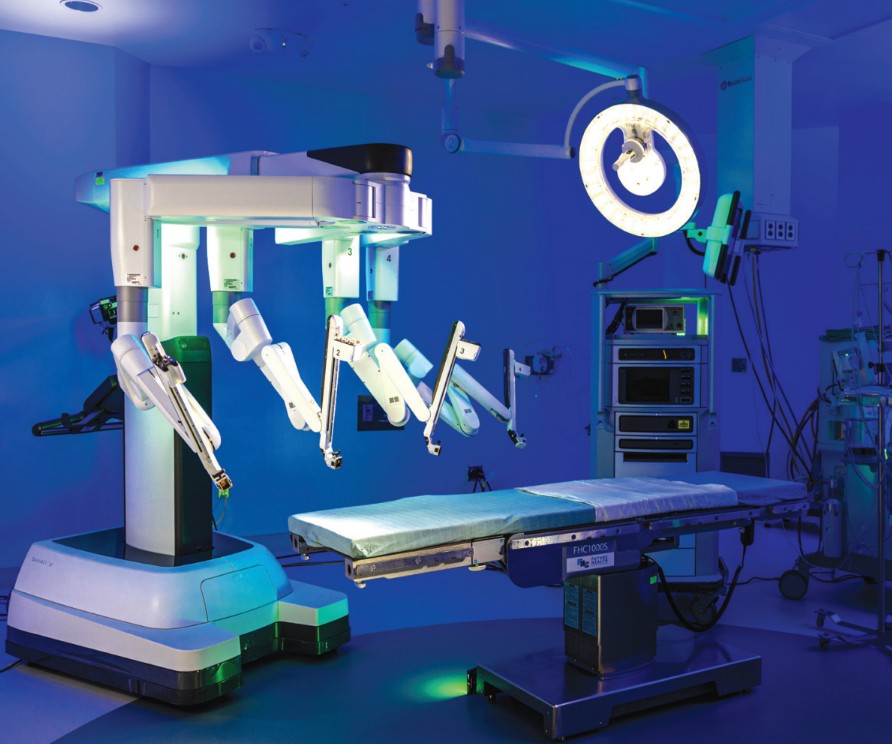
A CON law prohibits healthcare providers from building certain medical facilities, developing new health services or acquiring certain medic...
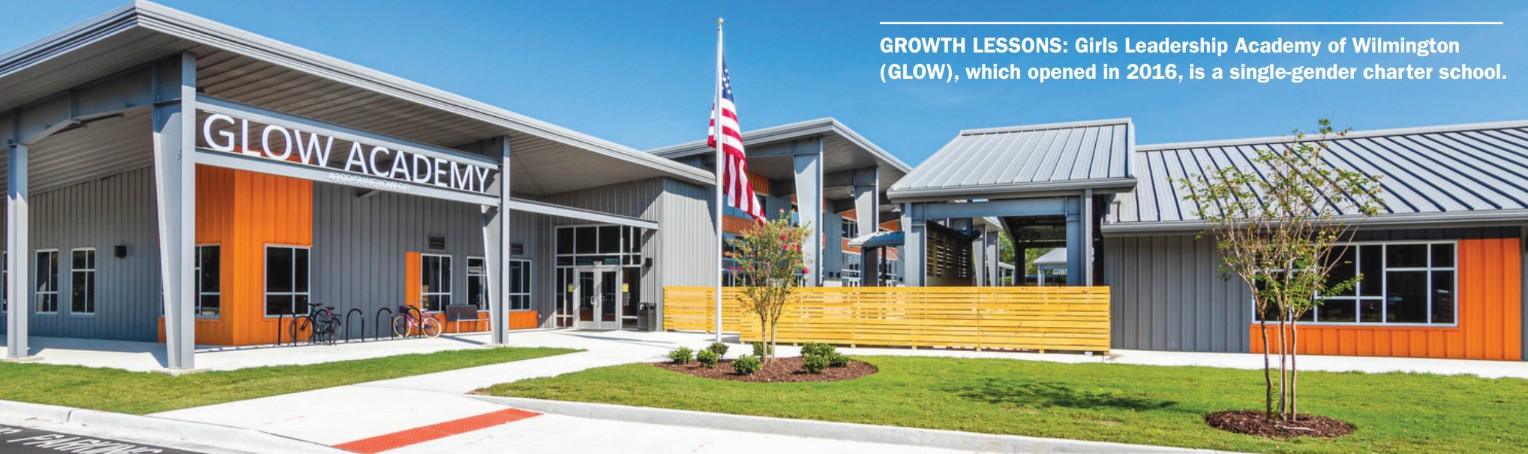
While the state’s charter school sector grows, Wilmington charter schools are seeing demand of their own – presenting both opportunities and...

Now under the ownership of Yousry Sayed, the founder of Quality Chemical Laboratories, Wilmington Machinery is eyeing business growth....

The 2026 WilmingtonBiz: Book on Business is an annual publication showcasing the Wilmington region as a center of business.