Residents and businesses in southeastern N.C. know what a great place this is to live, work, learn and play. Much of what makes our region so special is the natural environment we share - clean and productive coastal rivers, creeks and sounds, as well as clean air and drinking water.
Our tri-county area could double in population over the next 25 years and if not carefully planned and directed, future growth could degrade the environment we cherish, impede economic growth and impact job opportunities for all.
Other communities have learned to market their natural assets to attract desirable growth that improves their quality of life. The seven-county Southwestern N.C. Economic Development District (SWNC) worked to change from an industrial economy to one based on the region’s natural assets. That transition is the result of careful, intentional planning.
Tourism focused on the Nantahala Gorge in the western part of the state now generates $80 million in economic activity annually, creating 1,000 jobs. Differing demographics aside, this successful strategy could be applied to our Northeast Cape Fear River. Appropriate zoning and rebranding efforts are necessary to preserve and promote the river as an economic driver for the region.
Communities, including major metropolitan cities like Philadelphia, provide a successful model of cities formerly reliant on dirty, low-tech industries now striving to remake themselves. Over the past half-century, west Philadelphia’s University City district - located across the Schuylkill River from Center City - has reversed urban blight into a thriving mixed-use hub for higher education, health care and tech startups.
“It’s exciting to watch this industrial city transforming into something that’s much more dynamic and supporting an innovation agenda,” said Craig R. Carnaroli, an executive vice president at the University of Pennsylvania, speaking at the national real estate organization Urban Land Institute’s 2016 meeting.
To be attractive to clean industries, communities must also invest in education to attract the people those businesses need as workers and help train the next generation of workers. The Cape Fear region already does well in this area – programs at Cape Fear Community College in business, engineering, health sciences and marine technology support the local community – but those programs must not only be sustained, they must be expanded, as well.
Marketing and education alone will not draw clean, desirable businesses if they don’t find attractive and useful community assets in place. Local investment in infrastructure and appropriate land use planning and zoning processes are critical to support economically-sustainable industries.
For example, the deliberate preservation of public park lands within Charlotte and throughout Mecklenburg County is estimated to bring over $168 million each year in increased property values, tourist spending, health benefits of recreation and ecosystem services.
In the Asheville area, Buncombe County Commissioners adopted zoning revisions in 2009 consistent with their comprehensive planning policies to ensure orderly growth and development while also protecting and preserving rural communities and the county’s natural resources, parks and open spaces.
Buncombe County utilizes a Conditional Use Permit (similar to a Special Use Permit) so that consideration of the character of the community and suitability of proposed uses are incorporated into the zoning process. Forsyth County has adopted a conditional use permit process for proposed industrial development, and has also incorporated environmental performance criteria for certain proposed heavy industrial uses.
In 2010, Albermarle County in Virginia adopted an economic vitality plan. Leaders in the development of the plan ensured a high profile, community-wide engagement process that convened participants from higher education, workforce development, tourism, farming and small manufacturing sectors. The County Board of Supervisors created a “fast track review” process by which businesses from targeted industries can qualify for high-priority review processes. It is intended for targeted industries seeking locations and uses that align with the county’s comprehensive plan.
Communities across the region and country are evolving away from traditional industrial centers to ones that offer healthy economic growth through the preservation of natural resources and a higher quality of life.
The Cape Fear Economic Development Council believes we can create and sustain an economy that serves the needs of our residents without sacrificing the environment. The proposed model industrial special use permit is a highly-effective tool, which includes community input, to achieve this balance.
We encourage and rely on our leaders to follow other successful communities who have transitioned into clean and thriving economies that create long-term diverse job opportunities while protecting their natural assets and quality of life.
The CFEDC brings together industry, community leaders, and the public to foster collaboration, transparency, inspiration and alignment around a shared regional vision. To learn more about the Cape Fear Economic Development Council or become a member, go to www.capefearedc.org or call (910) 471-1616.


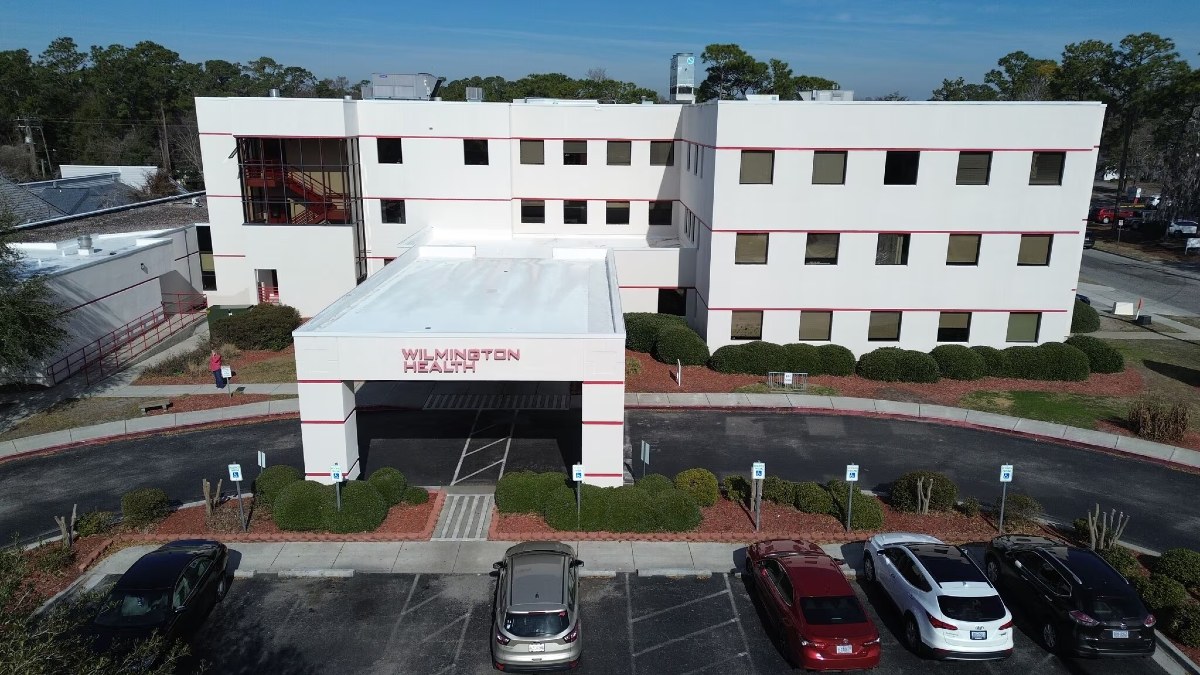
Wilmington Health Facility Sells For $9.4M
Cierra Noffke
-
Oct 26, 2026
|
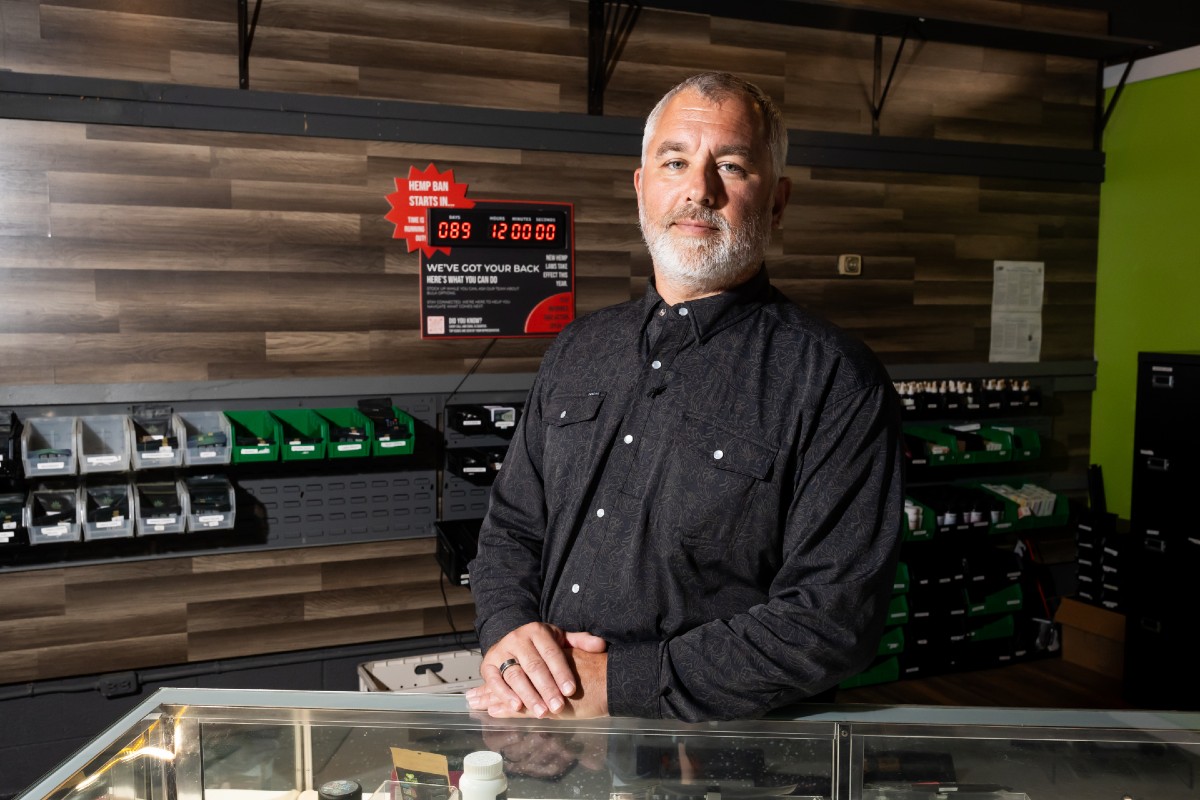
Uncertainty hangs over the hemp industry, including businesses in Wilmington that depend on the sale of hemp-based THC products....

While downtown also benefits from general fund expenditures, the municipal service district (MSD) “is a way of having some additional money...
Five candidates are vying for two seats on the New Hanover County board....

The 2026 WilmingtonBiz: Book on Business is an annual publication showcasing the Wilmington region as a center of business.