Your staffing director asked if you've noticed consultants uploading resumes to ChatGPT. Your finance person wants to use an AI tool to speed up quarterly close. Your sales team is testing an AI assistant to prioritize leads. If you're running a law firm, real estate office, or logistics team in Wilmington or the Cape Fear region, you're wondering: What's actually safe here?
The productivity gains are real. But the oversight gaps could cost you client trust, regulatory exposure, or decades of reputation damage.
The upside is concrete
AI can shift your best people from data entry to judgment calls. A staffing coordinator uses the resume-screening tool your team tested instead of sorting by hand. A real estate agent focuses on negotiation instead of market comps. A logistics dispatcher manages supplier relationships instead of scanning manifests. That's happening in offices within ten miles of you.
For a region where labor is tight and seasonal demand swings hard, that time matters. When you're fighting to retain people, AI that frees them for high-value work becomes an operational necessity.
What most businesses miss
Every time your team uploads a client file or candidate record to an external AI tool, data flows somewhere. Some tools retain it for training. Some share it with third parties. Some operate on servers outside the US. Your team probably doesn't know.
If you're bound by HIPAA or confidentiality agreements, you need to know which AI tools qualify. One employee uploading customer data to a free tool is both a breach and a crisis.
The deeper problem: AI systems make up information. An unaudited hiring recommendation can bias against candidates and trigger regulatory scrutiny. The real problem isn't tool choice — it's the lack of oversight.
Before you scale, ask these questions
Do you know which systems your people are using? Who approves new tools and what due diligence applies? If something goes wrong, who owns it? Are you auditing decisions in critical functions?
If you hesitated on any of these, you're not ready to scale.
Oversight built early scales better
Effective oversight doesn't require a compliance officer. It means building clear ownership. Assign one owner (your CIO, General Counsel, or Chief Risk Officer) to evaluate tools before deployment. Set one rule: systems that touch sensitive data, make decisions about people or money, or represent your business need approval.
Document the why behind each decision. Audit outcomes quarterly in high-stakes functions. Make it safe for employees to flag concerns. Demand transparency from vendors about limits and liability. Your oversight should fit your size — a ten-person firm operates differently than a hundred-person one. Know what systems you're using, who's using them, and what happens if something fails.
Why this matters in Wilmington and the Cape Fear economy
In Wilmington and across Southeastern NC — from the port to the real estate and hospitality industries — relationships are the business. Your clients choose you because they trust your judgment. A single data breach or unaudited decision can damage decades-old relationships built on your reputation. The operational rigor that keeps you resilient through hurricane season applies to AI.
The pattern that works
This is how effective oversight works: one owner who can make binding decisions about tools and who's accountable if something goes wrong. One rule, simple and consistent. Quarterly audits in functions where decisions matter — hiring, finance, client data handling. That's the pattern leaders in the Cape Fear region have built. It protects their teams and lets them focus on what matters: judgment calls and strategy, not worry.
The advantage isn't speed. It's the confidence that comes from knowing exactly who's responsible when something fails, what systems you're using, and why you chose them.


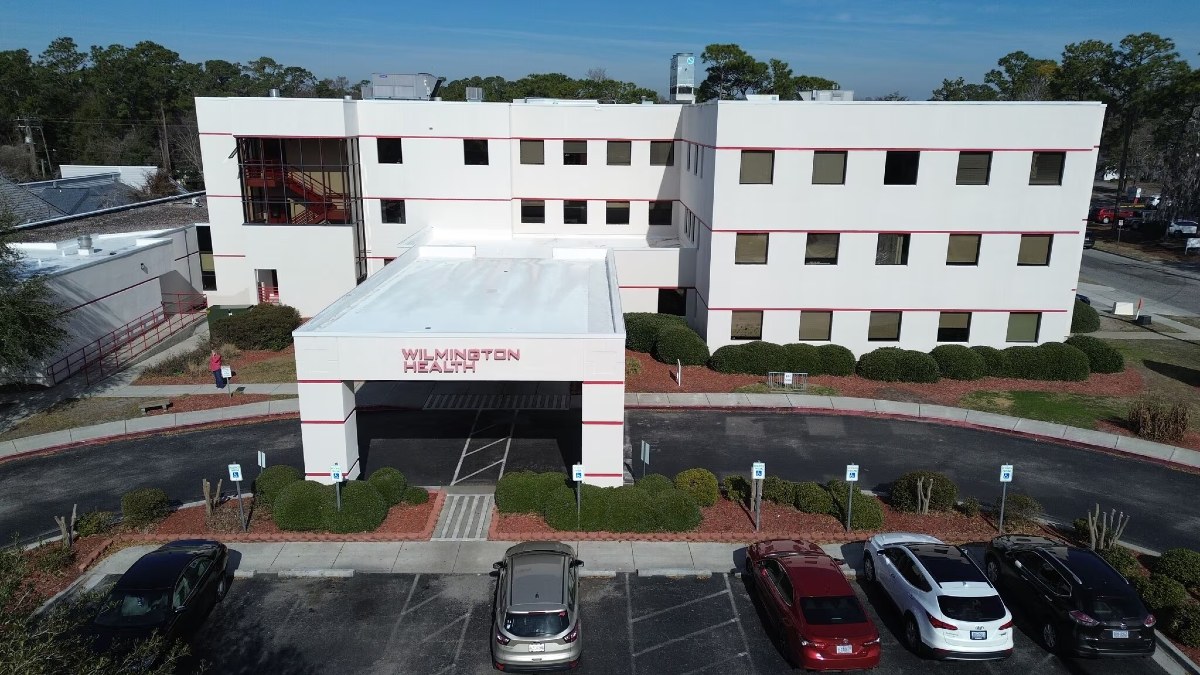
Wilmington Health Facility Sells For $9.4M
Cierra Noffke
-
Oct 26, 2026
|
Support for the lower, movable-span bridge dominated spoken comments at the public hearings, and city officials have thrown their support be...

Industry professionals say people seem much more willing these days to travel to the Wilmington area outside of the traditional summer vacat...
Five candidates are vying for two seats on the New Hanover County board....

The 2026 WilmingtonBiz: Book on Business is an annual publication showcasing the Wilmington region as a center of business.