For decades, success in business meant getting bigger.
More employees. More overhead. More layers of management. More growth for growth’s sake.
That model is quietly changing.
The future of work is not massive teams and sprawling infrastructure. It is small, focused ventures powered by smart systems and modern tools. Businesses that are lean, flexible, tech-enabled, and locally rooted.
This shift isn’t theoretical. It’s already underway.
Artificial intelligence is one of the accelerators, but it’s not the headline. The real story is leverage. Small teams now have access to capabilities that once required entire departments. Operations can be systematized. Marketing can be clarified and executed consistently. Customer experience can be structured without losing warmth.
That changes what’s possible.
In cities like Wilmington, this evolution is especially powerful.
Wilmington attracts builders. People who want meaningful work, professional standards, and a balanced life. It is large enough to validate serious ventures and small enough to allow real collaboration. You no longer need to relocate to a major tech hub to build something durable. With the right structure, small ventures can remain small and still operate with sophistication.
The future of work benefits communities like this because it keeps ownership local. Instead of chasing outside capital and rapid expansion, founders can build sustainable businesses that serve real needs, employ local talent, and contribute directly to the regional economy.
This is where structure matters.
A good idea is no longer enough. Discipline, systems, and clarity are what turn ambition into something real. Growth today requires repeatable infrastructure, not hustle. It requires thoughtful design, not constant reaction.
That belief sits at the center of MicroVentureLab.
MVL is not a traditional agency, consultancy, or incubator. It operates as a venture studio that builds alongside founders, invests expertise instead of just capital, and prioritizes sustainable, right-sized growth over hypergrowth. The goal is not endless expansion. It is creating businesses that run smoothly, support sound decisions, and give owners room to think and live outside their business.
Studios like this reflect where the broader economy is heading. Work is becoming modular. Teams are becoming smaller. Tools are becoming more powerful. What differentiates businesses is not size, but clarity.
For Wilmington, this represents an opportunity.
The city can become known not just for tourism or relocation, but for a generation of small, resilient ventures that are professionally run, technologically fluent, and deeply connected to their community.
The future of work will not be defined by the biggest players. It will be shaped by the most focused ones.
If you are a founder, creator, operator, or investor in Wilmington who believes small ventures can shape the city’s next chapter, I’m open to thoughtful conversations about what we can build together.
The shift is already underway. The question is who will choose to lead it.
Reach out at MicroVentureLab.io.

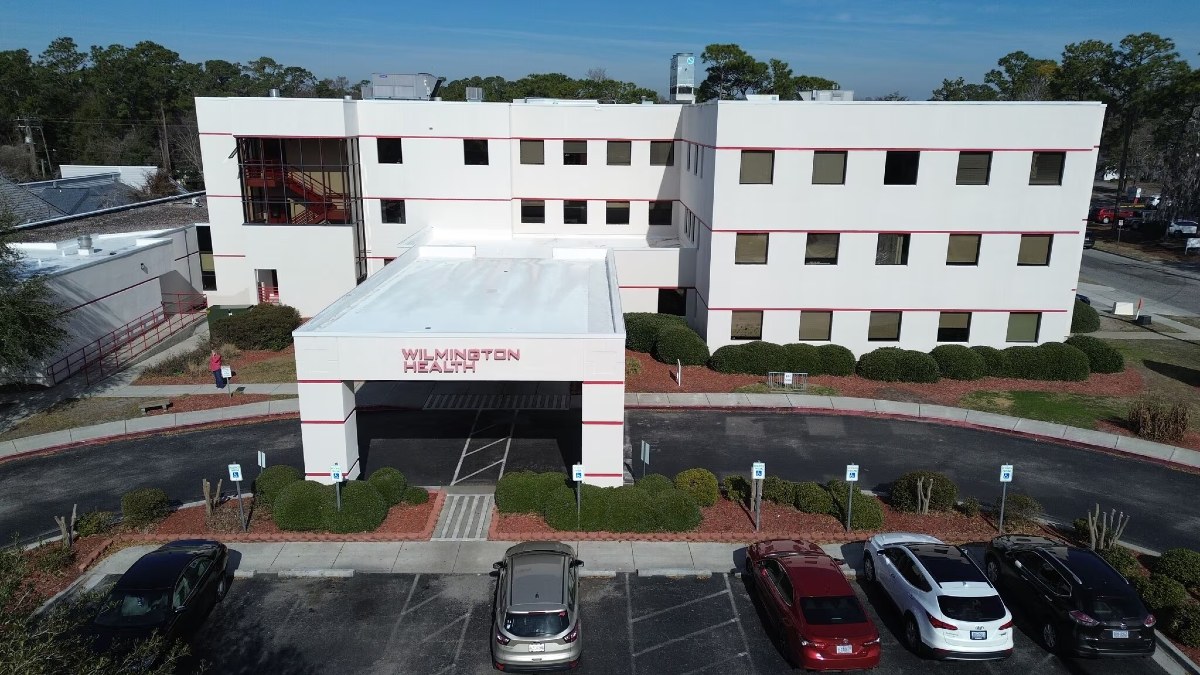
Wilmington Health Facility Sells For $9.4M
Cierra Noffke
-
Oct 26, 2026
|
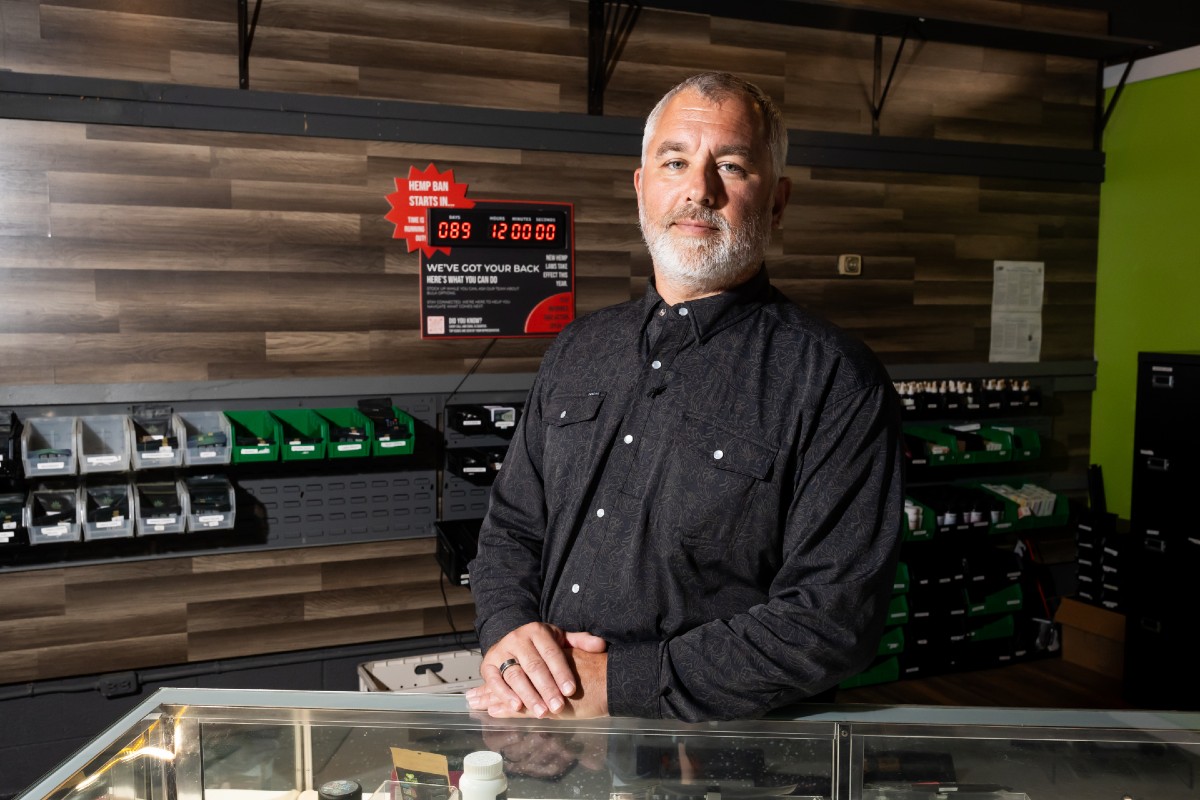
Uncertainty hangs over the hemp industry, including businesses in Wilmington that depend on the sale of hemp-based THC products....
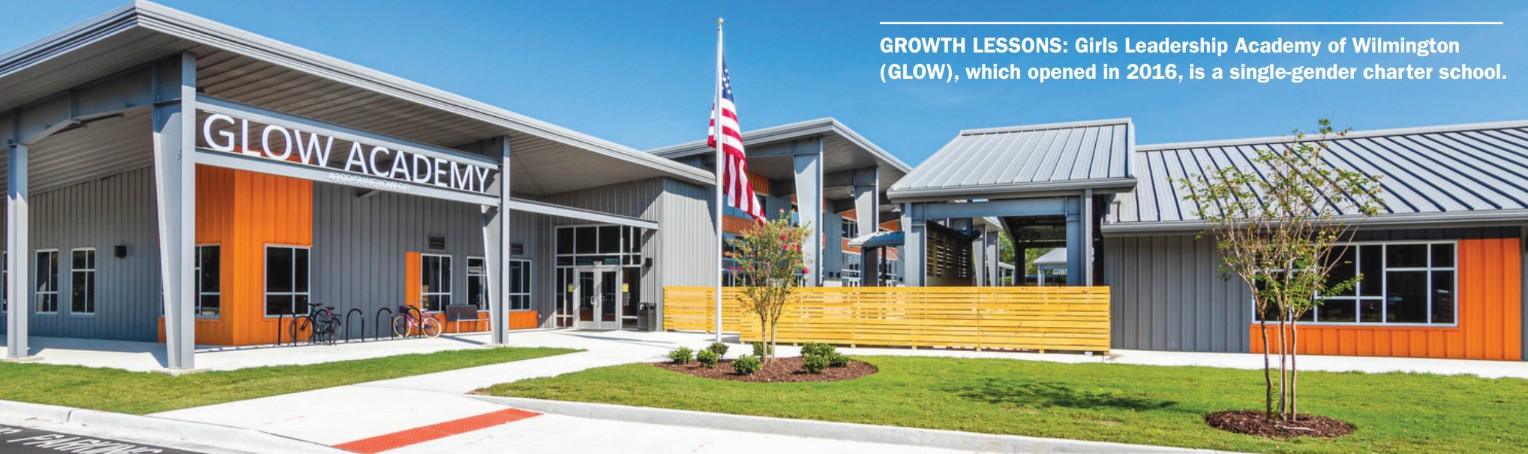
While the state’s charter school sector grows, Wilmington charter schools are seeing demand of their own – presenting both opportunities and...
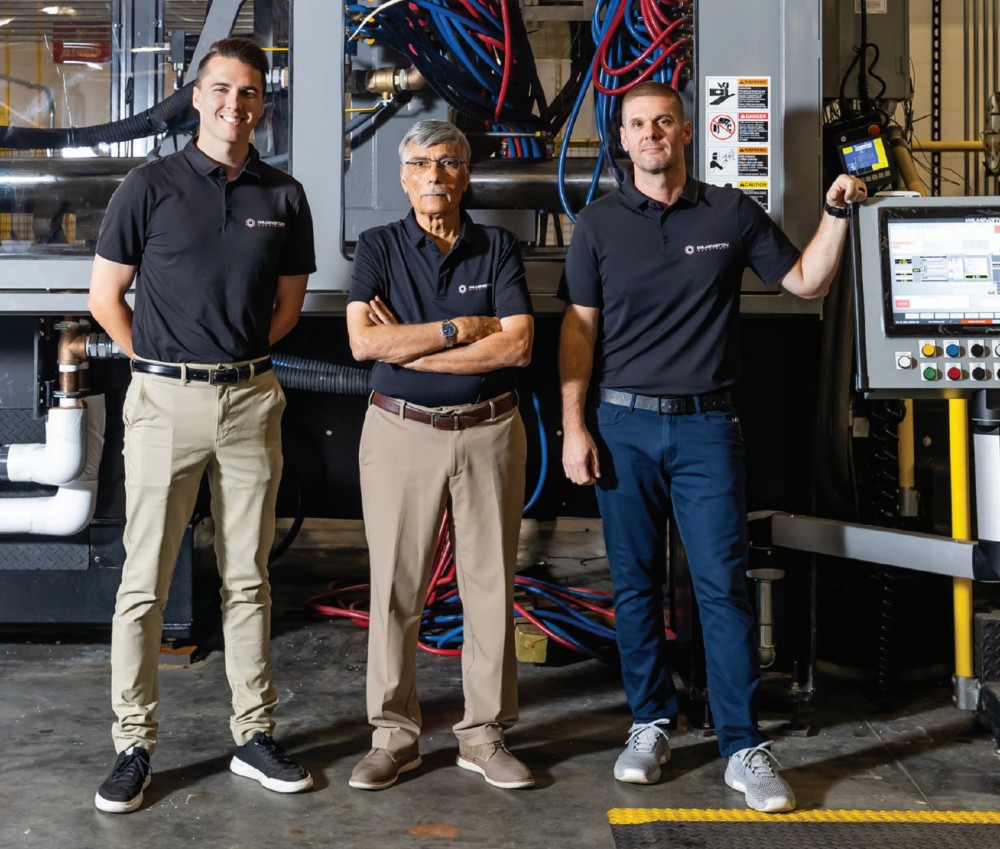
Now under the ownership of Yousry Sayed, the founder of Quality Chemical Laboratories, Wilmington Machinery is eyeing business growth....

The 2026 WilmingtonBiz: Book on Business is an annual publication showcasing the Wilmington region as a center of business.