The seven most expensive words in business? “We have always done it that way.”
This tradition-rooted mindset is a major obstacle to an organization’s growth, because it assumes that the “same old, same old” will achieve new outcomes. But, as Albert Einstein famously said, “The definition of insanity is doing the same thing over and over and expecting different results.”
In my many years as a business leader, I have learned that all company leaders want to grow their business, but many are reluctant to change the habits, patterns and operations with which they’re comfortable. To change means taking big risks, right?
Taking risks is inherent to running a business or nonprofit of any kind. Continuous change is the new reality – and navigating it is essential to activating strategy and moving organizations forward.
So, what is limiting the growth, or even hampering the effective functioning, of your company? Think back even a few years at the rapid technological changes that have altered the way we communicate, perform daily tasks, or even recruit and hire. Think about how the pandemic changed professional behavior and expectations. Think about what we in the business world have learned about creating a healthy work culture. Has your organization kept pace with evolving best practices? If not, you may be stuck in MOs that prevent your message reaching intended audiences. You may have trouble finding and retaining good workers. You may be spending valuable time on tedious tasks that could be streamlined.
It takes courage, but it’s essential that leaders integrate change into their culture, aligning it with core purposes and values. Effective leaders do not just manage change: they inspire and facilitate it. And the commitment to making strategic changes must come from senior leadership. They can ensure there are resources to support needed changes and can spur development of goals, plans and timeframes for everyone involved. Without this kind of strategic planning, attempts at growth may be wasted.
An experienced CFOO (Chief Financial/Operating Officer) like Lumina Business Solutions can help you develop the infrastructure you need to clear your mind of clutter. Once you have clearer insight into your business, the two of you can work together to identify further stumbling blocks to growth. This may likely mean you’ll need to stretch your comfort zone or change what always worked, until it didn’t.
One characteristic of a good leader is knowing his or her limitations and hiring competent professionals to compensate. A fractional CFOO brings a fresh perspective to your business and can objectively assess what is working and what isn’t, what needs to be tweaked and what needs to be discarded.

Wilmington Health Facility Sells For $9.4M
Cierra Noffke
-
Oct 26, 2026
|
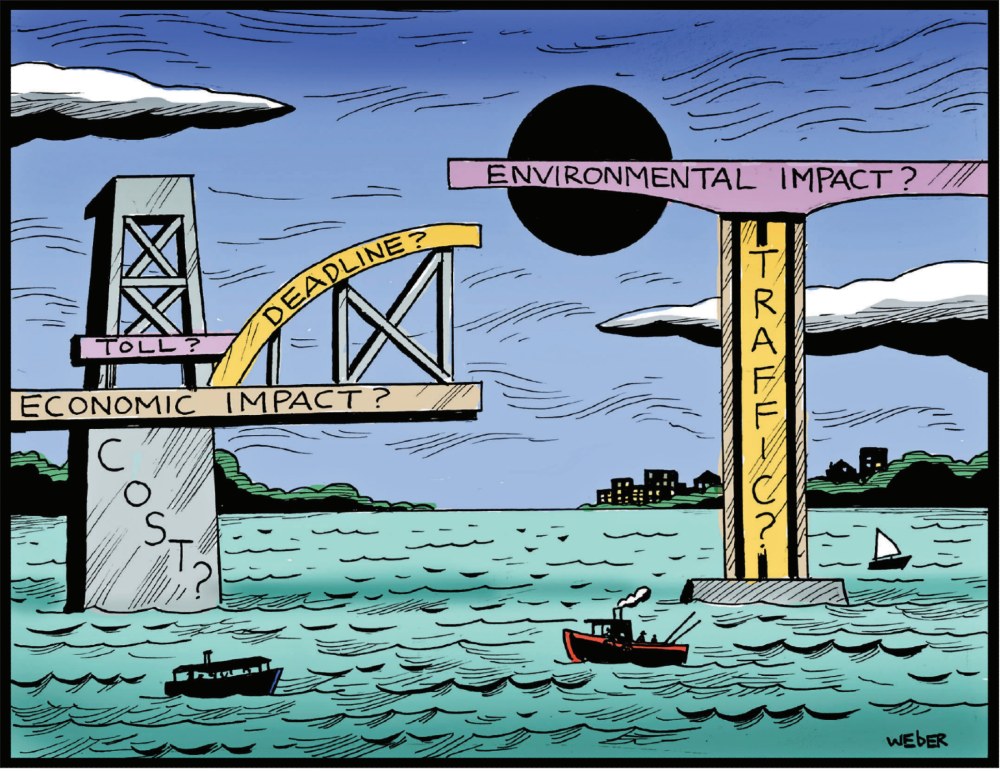
Support for the lower, movable-span bridge dominated spoken comments at the public hearings, and city officials have thrown their support be...
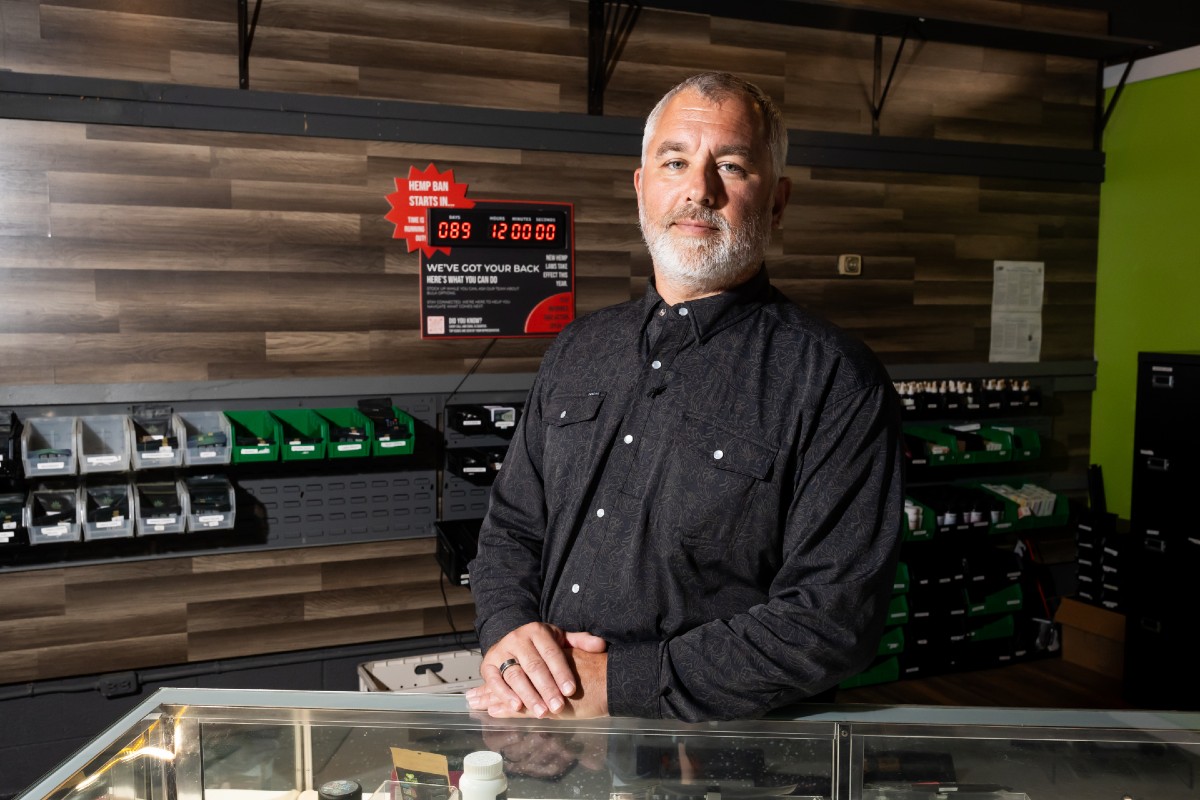
Uncertainty hangs over the hemp industry, including businesses in Wilmington that depend on the sale of hemp-based THC products....

Among the races this year is the contest between incumbent Sen. Michael Lee, R-New Hanover, and newcomer Jessica Bichler for N.C. Senate Dis...
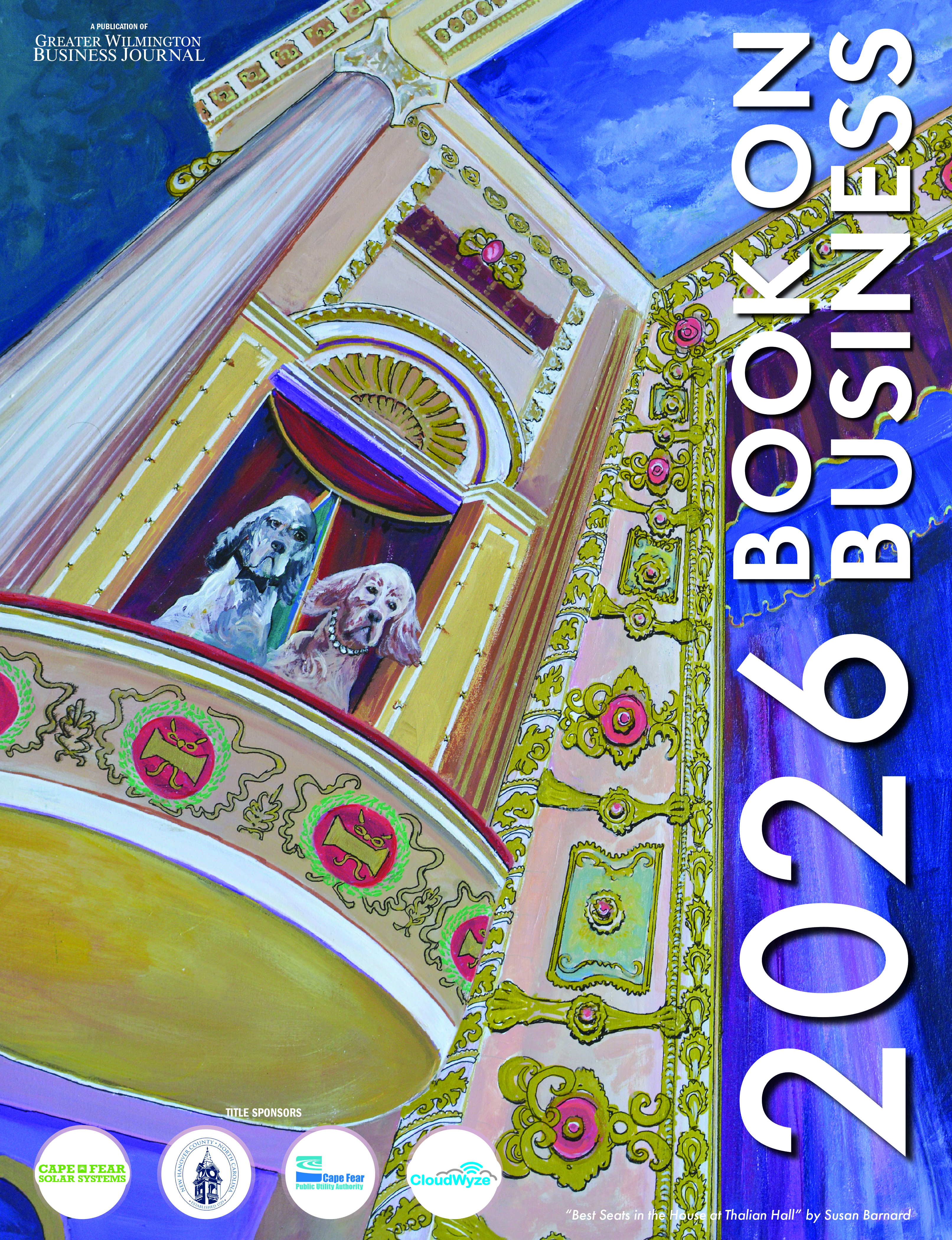
The 2026 WilmingtonBiz: Book on Business is an annual publication showcasing the Wilmington region as a center of business.