Recently, I attended a CLE that included a professionalism topic presented by a retired judge. The topic and its presentation were stirring and sent this author to the Federalist Papers (and truth be told to a re-watch of the Broadway hit, Hamilton.) This article is NOT about the importance of lawyers; it IS about 85% quotes…. about the importance of the Rule of Law.
As a mere mortal, I feel how weak and fruitless must be any words of mine which should attempt to beguile you that any of the following thoughts are mine (certainly not the forgoing plagiarism of Lincoln from the “Bixby Letter”.) Nevertheless, with the aid of research and some fancy tools, on the occasion of our great nation’s semi-sesquicentennial, I present the following for your consideration:
In Federalist No. 51, James Madison famously observed a fundamental truth about human nature and governance:
"If men were angels, no government would be necessary. If angels were to govern men, neither external nor internal controls on government would be necessary."
Because none of us are angels, we require a framework to prevent the rise of tyranny. This framework is the Rule of Law. It is this foundational principle that laws, not individual rulers or shifting majorities, possess supreme authority. In the American experiment, this concept acts as the vital bridge connecting the lofty ideals of the Declaration of Independence to the operational machinery of the U.S. Constitution.
The Promise: The Declaration of Independence
The Rule of Law begins with a moral promise. In 1776, the Declaration of Independence boldly asserted that all individuals possess unalienable rights, including Life, Liberty, and the pursuit of Happiness. It declared that governments are instituted among men to secure these rights, deriving their "just powers from the consent of the governed."
The promise of the Declaration requires a legal system where the law applies equally to all, ensuring that the powerful cannot arbitrarily violate the rights of the citizen.
The Mechanism: The U.S. Constitution
To transform the Declaration’s ideals into a permanent reality, our founding fathers engineered the U.S. Constitution. James Madison wrote: "In framing a government which is to be administered by men over men, the great difficulty lies in this: you must first enable the government to control the governed; and in the next place oblige it to control itself."
The Constitution achieves this self-control through two primary architectural features:
Separation of Powers: By splitting government into Legislative, Executive, and Judicial branches, the Constitution prevents any single entity from rewriting the rules of society.
Checks and Balances: Ambition is counteracted by ambition. No branch can act entirely without the oversight of the others, anchoring government power firmly within the bounds of written law.
The Living Shield of Liberty
When the rule of law is compromised, the Constitution becomes what Madison feared most: a mere "parchment barrier"—words on paper with no power to stop the accumulation of tyrannical control.
The true legacy of the American founding is not that it created a perfect society or even a perfect union, but that it established a system where the law remains the ultimate authority. By binding ourselves to a shared, enduring legal standard, we protect the unalienable rights promised in 1776, ensuring that liberty survives.
“The stature of our homeland is no more than the measure of ourselves. Our job is to keep her free. Our will is to keep the torch of freedom burning for all.” John Paul Jones.


Wilmington Health Facility Sells For $9.4M
Cierra Noffke
-
Oct 26, 2026
|
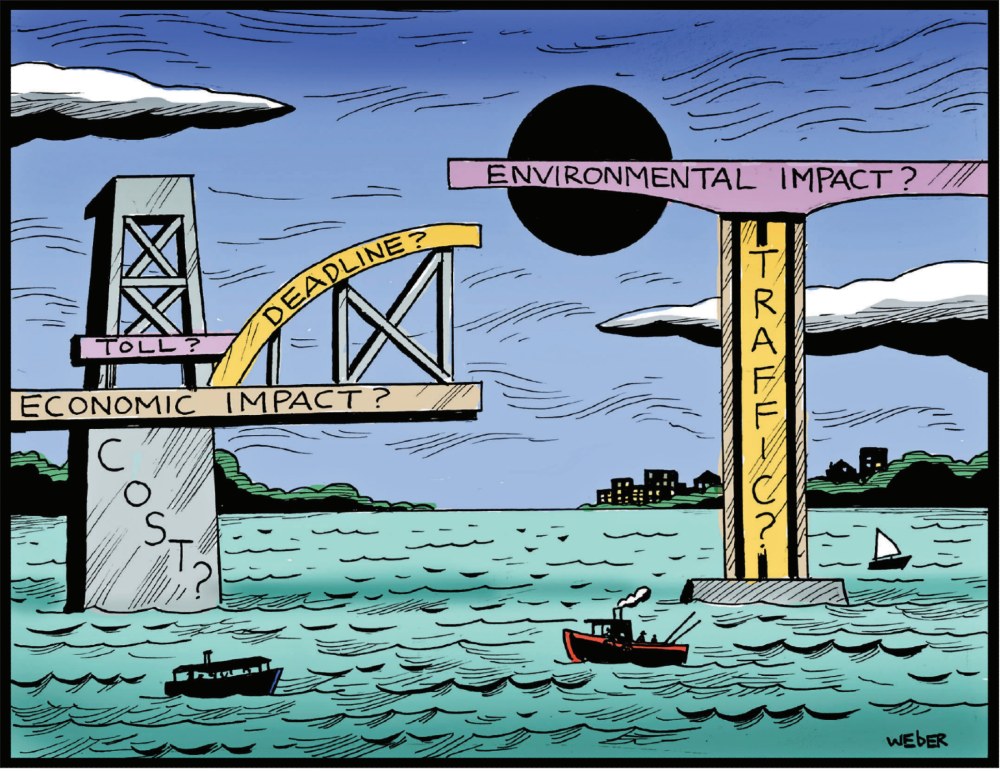
Support for the lower, movable-span bridge dominated spoken comments at the public hearings, and city officials have thrown their support be...
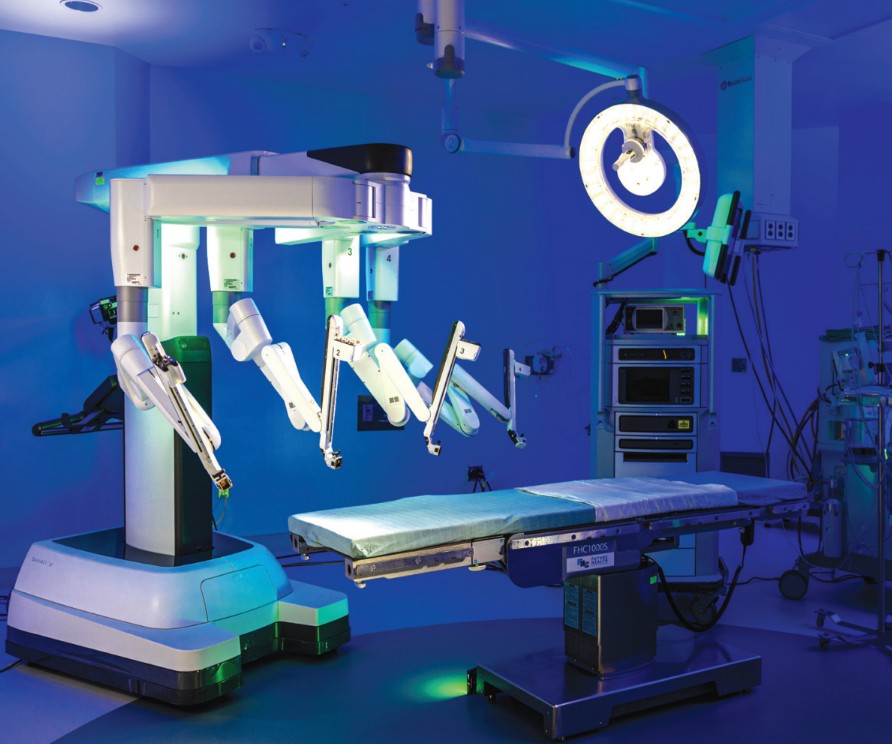
A CON law prohibits healthcare providers from building certain medical facilities, developing new health services or acquiring certain medic...

Mitchell is facing many of the same struggles as other restaurants. Despite the challenges, Mitchell said she won’t compromise on food quali...
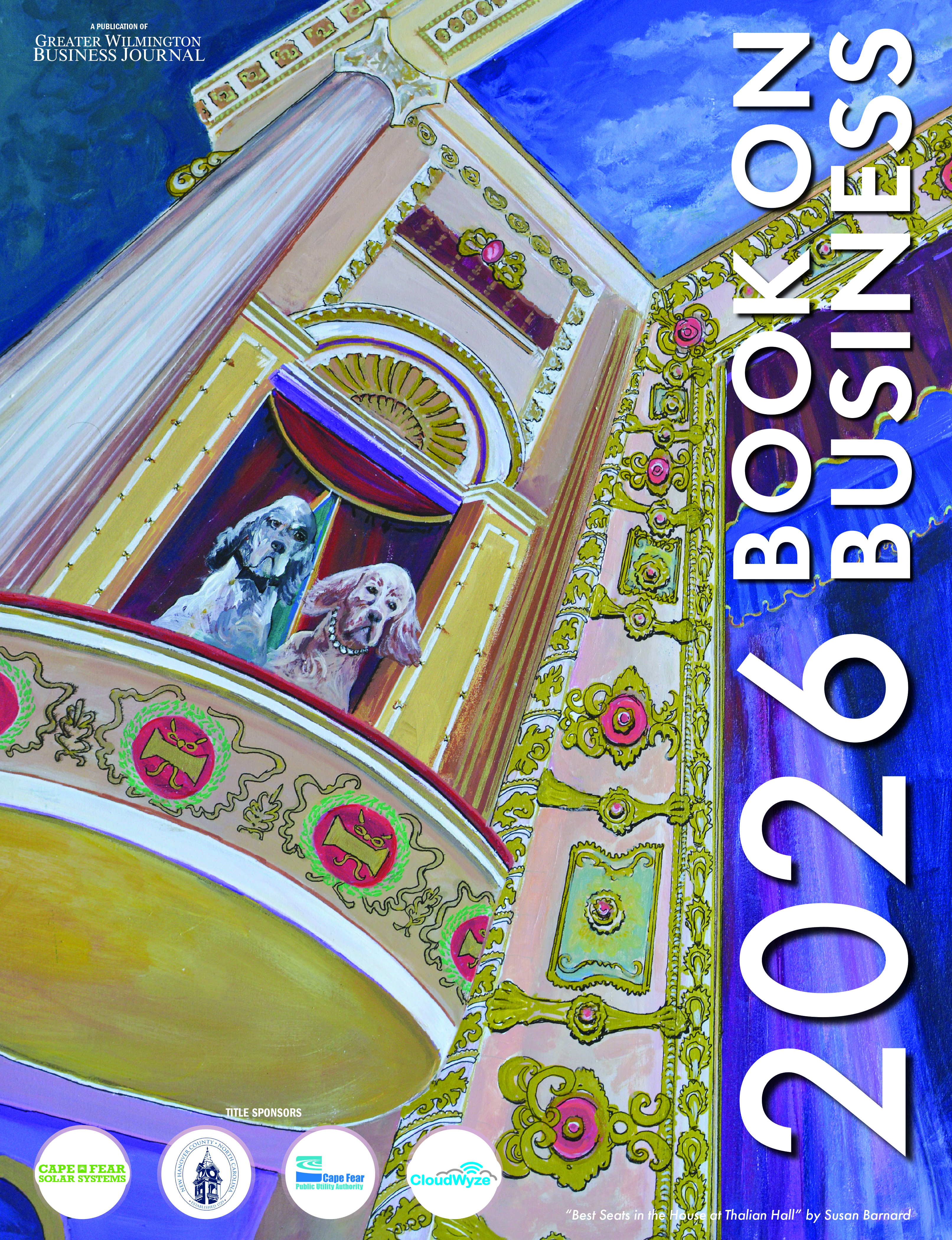
The 2026 WilmingtonBiz: Book on Business is an annual publication showcasing the Wilmington region as a center of business.