When conducting your next job interview, one question you may want to add is “How much did you play as a young child?”
The implications of what science is discovering about the importance of free play for children’s brain development are important for growing businesses. If we want colleagues and employees who are creative, team players, get along well in social situations, able to regulate their emotions, can think on their feet, have good risk perception, strong communication skills, and a keen sense of what is possible, then we want folk who had a lot of opportunities for self-directed play as children.
Science has long studied play in mammals, including humans, and have learned that not only are our brains hard wired to play, but we also have a “play center” deep within our midbrain that makes play an instinctual response. But why? Play time uses lots of energy and other resources so there must be some benefits.
Earlier hypnoses about play thought of play as practice for the skills and behaviors mammals would need in adulthood. But we know that the play we engage in as children may or may not mimic what our life’s work will be 20-30 years in the future. Especially as technology keeps evolving. So, it can’t be just practice.
Scientists now think of play as training for the unexpected; play as learning to learn.
Play builds a diverse and responsive repertoire of behaviors. Play gives us mental suppleness and a broad behavioral vocabulary. We as children do a lot of different things when we play. We study, experiment, dream, use our imaginations and creativity. We talk with playmates and adults, we create or co-create rules and guidelines, we resolve conflicts, develop empathy, and learn to manage emotions. We jump and run, we sort and stack, we use big muscles and small muscles. We take delight in playing and so we keep at it and also learn persistence and perseverance. Because true play is fun, we are happy to spend the time doing the things that are needed to build our brains and develop our executive functioning skills.
All of this play literally builds our brains. It is the most efficient way for a young child to form neural connections, and later, to prune them for greater brain efficiency. Play is such an effective way to build a brain because play is self-motivated. Play that is child-driven is completely intrinsic. We engage when we want. We can quit if we want. The rules are of our own devising. This creates possibilities for experimentation, risk-taking, going forward even if the outcome is unknown. That, in turn, helps children learn to trust themselves and leads to self-reliant and confident adults.
Smart Start of New Hanover County works in partnership with parents, teachers, and other caregivers to help them support children’s play in order to promote healthy child development. We are there to help caregivers know the how’s and the whys of play because children deprived of play or only engage in activities whose structure, format, and rules imposed from the outside can become depressed, inflexible, and lose empathy and impulse control. We can’t know the future or what skills a child may need later in life. Even if we wanted to, our efforts would be misplaced if we designed play for children or made play too limited, too inflexible, too constrained. We can’t substitute learning specific skills or behaviors or knowledge for play. We can’t skip that step or leapfrog over play.
What sort of play did you do as a young child that helped prepare you for your current job?

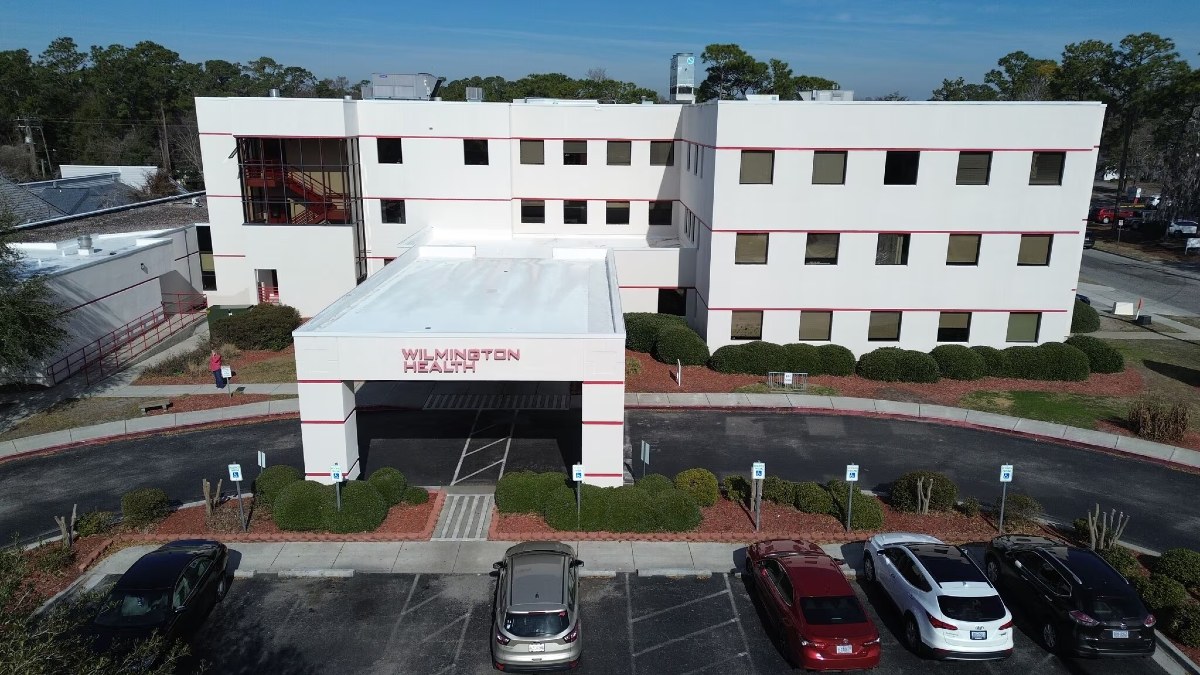
Wilmington Health Facility Sells For $9.4M
Cierra Noffke
-
Oct 26, 2026
|
Five candidates are vying for two seats on the New Hanover County board....

“Our vision is to create a mini-golf experience that becomes a welcoming space for everyone who enjoys a fun adventure with friends and fami...
Industry professionals say people seem much more willing these days to travel to the Wilmington area outside of the traditional summer vacat...

The 2026 WilmingtonBiz: Book on Business is an annual publication showcasing the Wilmington region as a center of business.