In the wake of Hurricane Matthew, residents of Southeastern North Carolina have begun cleaning up all the storm debris.
As with many storms that came before Matthew, homeowners may now be questioning who is responsible for any damage caused by neighbors’ fallen tree limbs. The answer is that it might not be the tree owners.
Often, damages from falling trees and limbs during a natural event like a hurricane or ice storm are attributed to an “act of God” or “vis major” for which the tree owner is probably not responsible for damages. This theory can best be summed up this way - sometimes, things just naturally happen, and no amount of reasonable care by the tree owner would have prevented the damage.
In North Carolina, the allocation of liability for damage resulting from a fallen tree or limb is largely based upon a negligence standard. Under this standard, if the tree owner had no actual or constructive knowledge of a defect in the tree that could have caused it to collapse, then he or she may not be liable for damages.
While an act of God generally creates no liability for damages, the tree owner might be liable for negligence if the tree owner knew - or should have known - that the tree could damage a neighbor’s property.
For example, if an overhanging branch had been dead for many years and neighbors had previously complained and asked to have it removed, the tree owner might be responsible if he did not cut it down and it fell in a storm, causing damage.
In turn, a tree owner may also claim the defense of contributory negligence to avoid liability for damages. For example, it the tree owner gave permission to his neighbor to remove a dead overhanging tree limb, and the neighbor failed to do so, the neighbor may be barred from seeking damages from the tree owner.
If a tree owner believes a neighbor intends to bring legal action against him for damage from tree limbs after a storm, he or she should check with his homeowner’s insurance agent to determine whether his insurance policy will cover the amount a neighbor seeks for damage from the tree. Some policies will acknowledge coverage for these damages and other policies will not.
Each claim is handled on a case-by-case basis. To avoid likely increases in insurance premiums, some tree owners should consider simply bearing some or all of the costs if the damages are minimal.
John D. Martin is a trial lawyer and the managing partner of the Cranfill Sumner & Hartzog LLP’s Wilmington, North Carolina office. Martin concentrates his practice in the medical malpractice and professional liability defense practice groups. He has tried numerous medical malpractice and personal injury cases throughout eastern North Carolina. Many of his cases involve brain injury, birth trauma, paraplegia and wrongful death. Additionally, Martin has experience with large construction litigation, premises liability and hospital/workplace security. To contact Martin, call (910) 777-6018 or email him at [email protected].


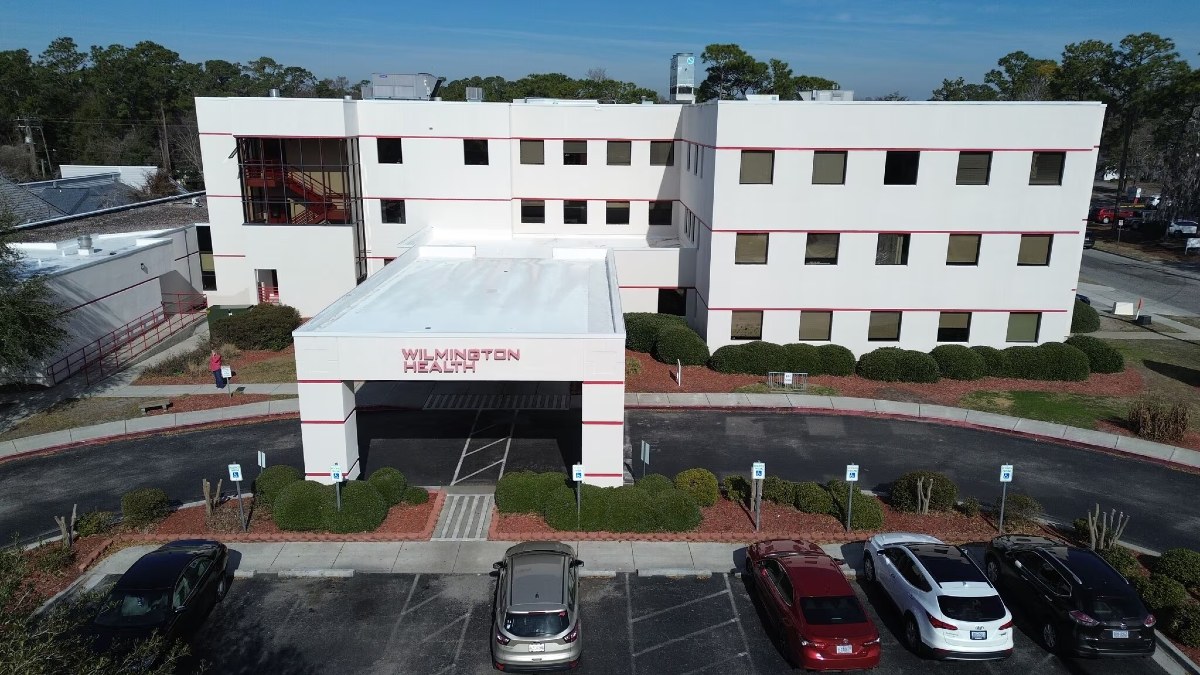
Wilmington Health Facility Sells For $9.4M
Cierra Noffke
-
Oct 26, 2026
|
Five candidates are vying for two seats on the New Hanover County board....
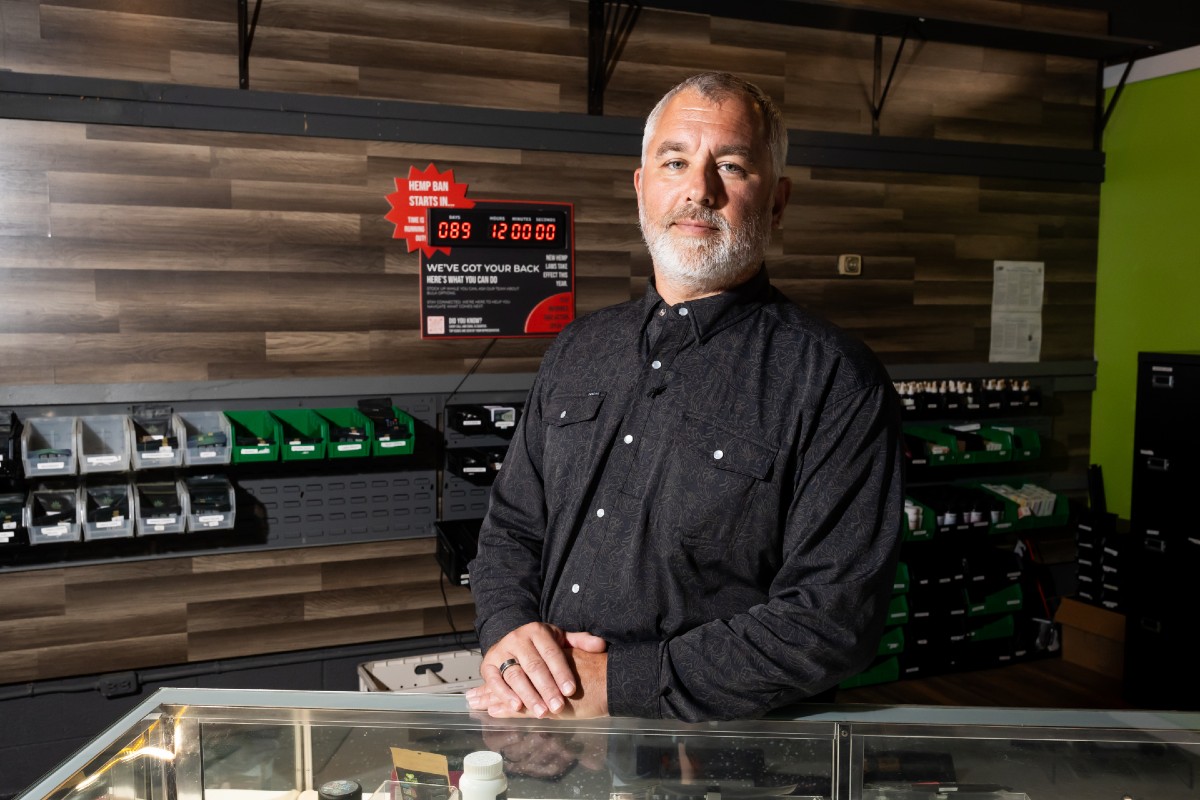
Uncertainty hangs over the hemp industry, including businesses in Wilmington that depend on the sale of hemp-based THC products....
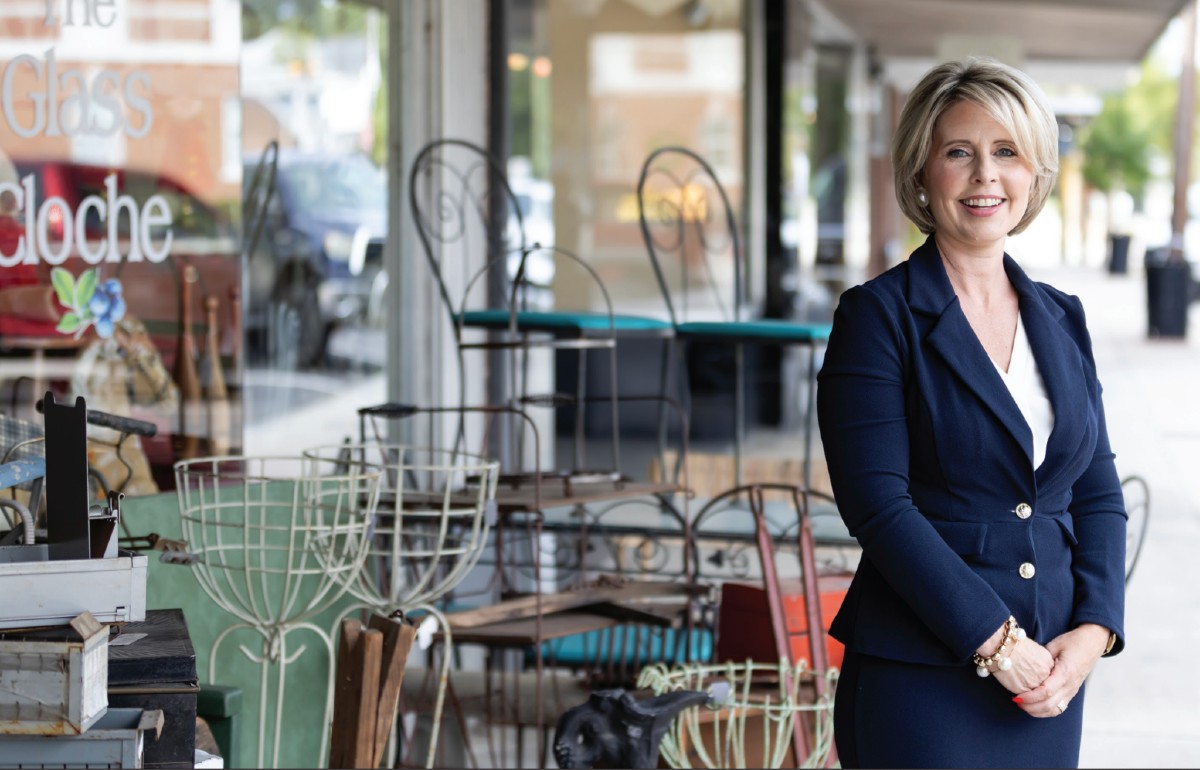
While downtown also benefits from general fund expenditures, the municipal service district (MSD) “is a way of having some additional money...

The 2026 WilmingtonBiz: Book on Business is an annual publication showcasing the Wilmington region as a center of business.