Too often, sorrow is the backstory for success.
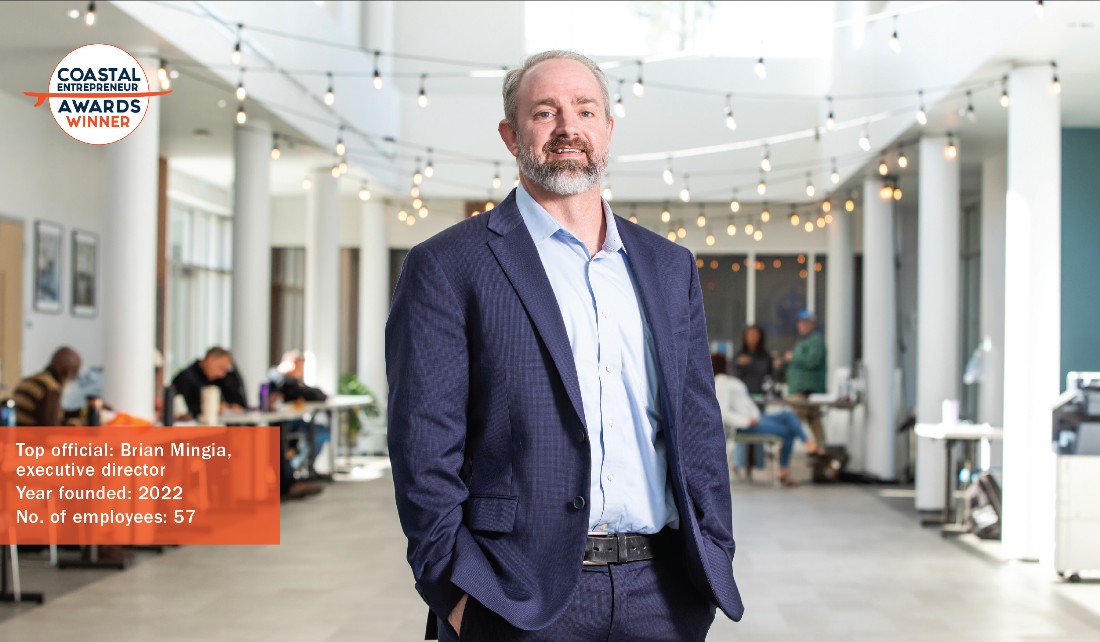
“I’ve been with The Healing Place for just over four years and was the organization’s first hire,” executive director Brian Mingia said. “I make it a priority to stay connected to the people we serve – because that’s what drew me to this work in the first place. A family member of mine passed away after slipping through the cracks of the mental health and substance use system.”
Mingia said the personal loss changed the course of his life. His aspiration became for others to avoid the same fate. He had no idea how quickly The Healing Place would take off, though he believed it would. He just knew that, as much as possible, he didn’t want to turn people away who were in need.
Within three months of opening the free, 200-bed residential recovery center and overnight shelter for men and women, The Healing Place reached full occupancy and has maintained that level ever since.
The nonmedical detox center is a take on the Alcoholics Anonymous formula, which combines connection with accountability. In addition to participating in the center’s 12-step program, clients receive peer mentoring – from trained advisers who are in recovery – and an individualized “motivation track” for their future.
“Every person who greets a guest here understands what it feels like to walk through our doors seeking help, because they’ve lived it themselves,” Mingia said. “At its core, addiction isn’t just a chemical issue – it’s a human one, rooted in connection, relationships and meaning. That’s where recovery truly begins.”
The Healing Place specializes in “high-need” populations, meaning people who have struggled to stay clean on their own. Despite drug addiction stereotypes, those suffering are often vital community members, such as teachers and health care workers, Mingia said.
But no matter what their role in society, they are neighbors, he emphasized, so investing in recovery creates a stronger community. Roughly 60-65% of his clients have experienced homelessness. In that regard, the center’s outreach team literally meets people where they are, going out onto the streets, as needed, to offer safe haven.
“We often call ourselves ‘the last house on the block,’ because we serve people who have run out of other options,” Mingia said.
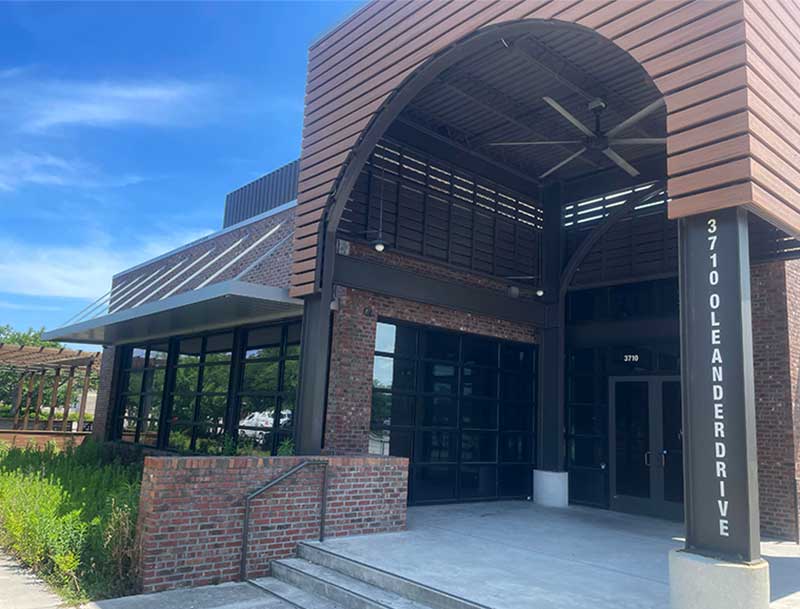
The $24 million center he runs, located at 1000 Medical Center Drive, operates at a cost of $40 per day, per person, and continues to offer help long after a client’s initial stay.
“Accountability isn’t always easy, but it is an act of care,” the executive director said. “It requires honesty, consistency and presence – the same qualities needed for real growth.”
The Healing Place’s largest partners are Trillium Health Resources and New Hanover County, but the center always welcomes the next contributor, large or small, public or private, who can further its mission, he said.
“We are incredibly grateful for the continued support of our community – our donors, partners and advocates – who make this work possible,” Mingia said. “Being recognized with the Coastal Entrepreneur Award is a meaningful honor, not just for our organization, but for the recovery model itself. It highlights that innovative, community-based approaches to recovery can create real, lasting change.”