Turning ideas into reality that benefit our community – as a local government, that is our mission, one I’m very proud to be a part of. Plans are only one piece of the process, as they must become actions that make a tangible difference.
Sustainability is one of those ideas. It is a word that can mean different things to different people. That is why, after months of collaboration across our organization, we recently developed a definition that puts this concept into clear terms for our county.
In New Hanover County, sustainability means making intentional, long-term decisions now that strengthen our community, protect our natural environment, and support a resilient quality of life for future generations. It means recognizing the limits of our resources while supporting opportunity and well-being for every resident.
We put that definition into practice through five guiding actions: integrating sustainability into decisions across the organization, protecting our community’s natural areas, growing responsibly, supporting a resilient economy, and promoting good health and well-being. Collectively, these actions help ensure New Hanover County remains a vibrant, resilient, and equitable coastal community.
I share this because the Board of Commissioners have this a priority and it’s important that you, our residents, understand this definition and see it reflected in the work we do each day. This isn’t lip service – it is the standard we are holding ourselves to.
In October 2024, we brought on Madelyn Wampler as the county's first Sustainability Manager, a position our Commissioners created through the Fiscal Year 2024-25 budget. Madelyn brought more than a decade of experience in environmental policy, coastal resilience, and green building practices. She has met with leadership in every county department, built relationships with regional partners, and quickly developed a clear picture of where we stand and what opportunities exist.
One of the first things Madelyn identified is something worth emphasizing: though her position is new, sustainability itself is not new to our operations. Departments across the county have been engaged in this practice for years. From the rechargeable equipment our Parks and Gardens crews are using at multiple sites, to the waste diversion programs by Recycling and Solid Waste that are extending the life of our landfill, to the greenspace preservation efforts our Commissioners have championed, this work has been happening.
What has changed is how we organize and measure it.
Last November, Madelyn presented a comprehensive Sustainability Assessment to our Commissioners, which identified more than 150 sustainability initiatives already underway and organized them across five focus areas: land use and environmental stewardship, community health, governance and coordination, operations and facilities, and resilience.
That assessment not only took stock of where we are, it also provided a roadmap for where we are headed, with actionable recommendations like a capital project sustainability checklist, a public-facing dashboard to track our progress, and the re-establishment of the county's resilience working group.
This is central to how we operate. Sustainability is one of the three pillars of our current five-year Strategic Plan, which includes targets like reducing our carbon footprint from facilities and fleet by 25 percent by 2028. It is woven into the draft Destination 2050 Comprehensive Plan that is currently under review by the Board, where environmental stewardship and resilience are among the guiding themes. It connects to our master plans and our Capital Improvement Program. At every level, the decisions we make are informed by a commitment to long-term thinking.
And the results are starting to show.
In February 2025, our Board approved a resolution making New Hanover County the first county in North Carolina to join the C-PACE program, a financing tool that helps commercial property owners fund energy efficient, renewable energy, and storm-resilient improvements without upfront costs. Over the course of last year, our Commissioners preserved more than 100 acres of green space for future generations. These are meaningful steps that reflect the values our community has told us are important.
I am grateful to Madelyn for the energy and expertise she has brought to this role, and to her supervisor, Assistant County Manager Jessica Loeper, for the support and guidance that has helped this work go from ideas to everyday practices. I am also thankful for a Board of Commissioners that sees the value of investing in sustainability and a county team that has embraced this work across every department.
There is more to do, and we are just getting started. I encourage you to visit NHCgov.com/Sustainability to learn more about the county's sustainability efforts and follow along as this work continues to grow.


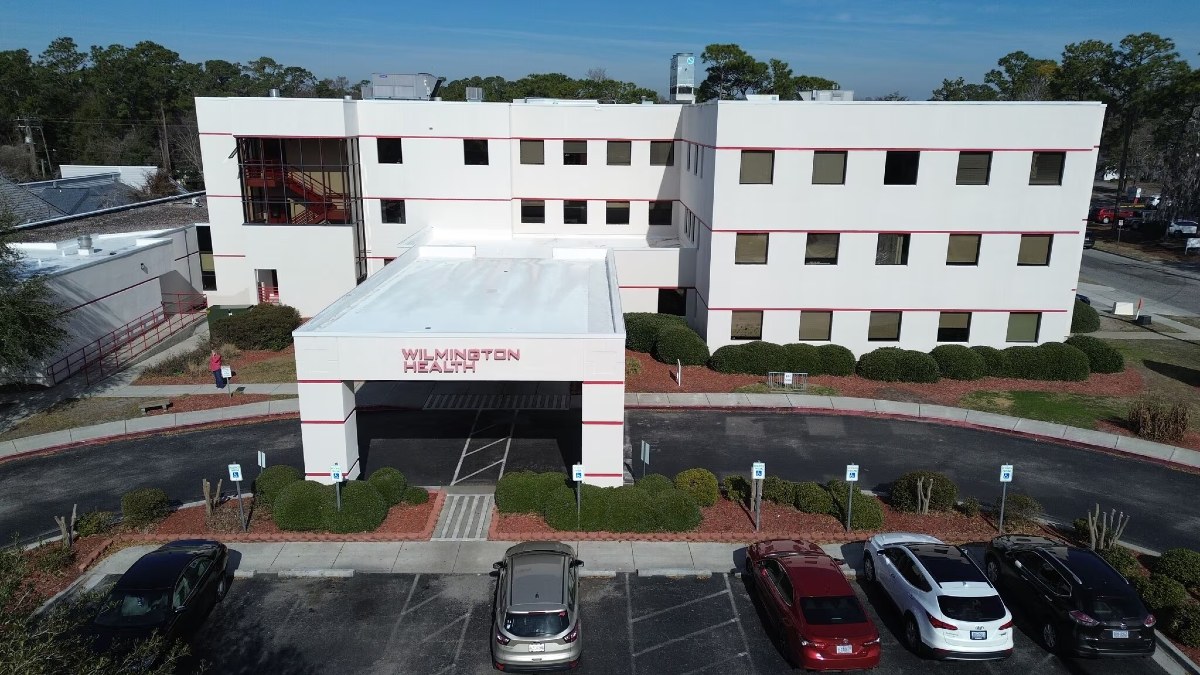
Wilmington Health Facility Sells For $9.4M
Cierra Noffke
-
Oct 26, 2026
|

Industry professionals say people seem much more willing these days to travel to the Wilmington area outside of the traditional summer vacat...
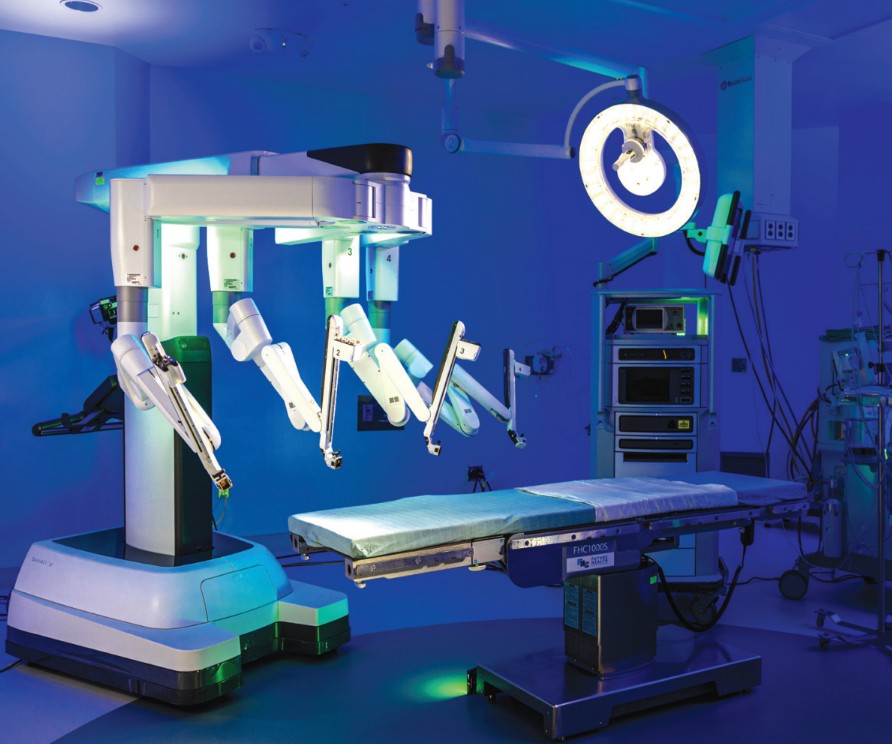
A CON law prohibits healthcare providers from building certain medical facilities, developing new health services or acquiring certain medic...
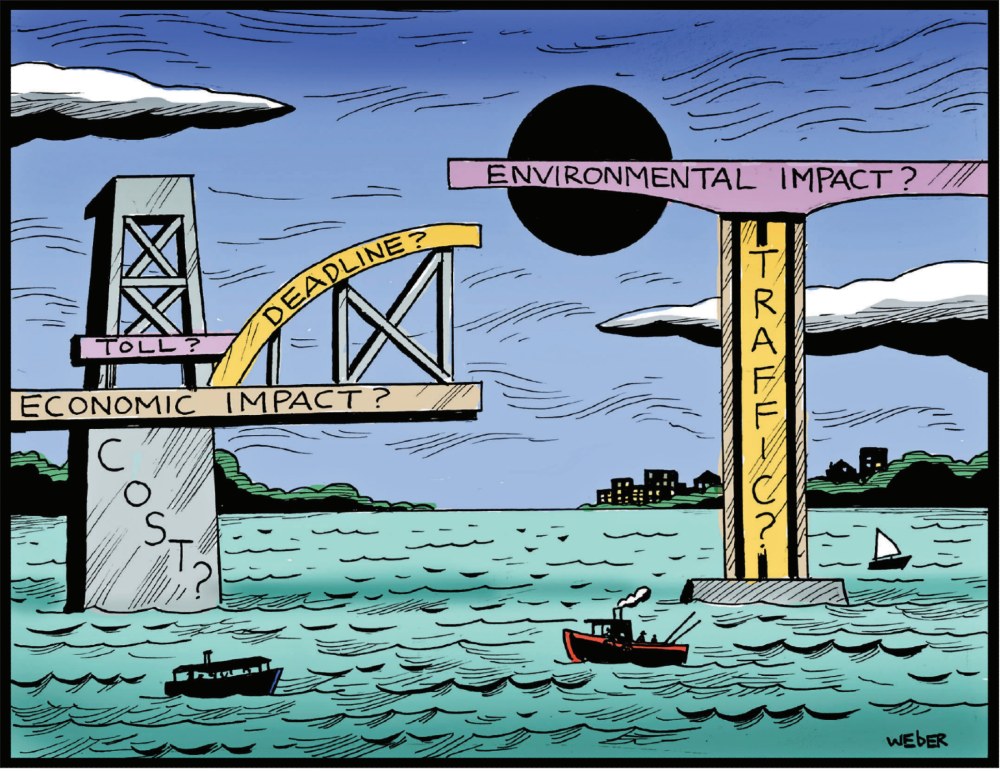
Support for the lower, movable-span bridge dominated spoken comments at the public hearings, and city officials have thrown their support be...

The 2026 WilmingtonBiz: Book on Business is an annual publication showcasing the Wilmington region as a center of business.