Ask a business owner what makes their company different, and they'll usually have an answer within seconds.
Ask a potential customer the same question, and you'll often get a very different response.
Business owners will talk about their people. Their responsiveness. Their experience. Their culture. The way they solve problems. The relationships they've built over decades.
Most of those answers are true. The challenge is that they're often invisible to the people making buying decisions.
The Difference Between Being Different and Being Perceived That Way
One of the biggest disconnects I see is that businesses assume customers see what leadership sees.
After years of building a company, it's easy to believe your differentiators are obvious. They're discussed in leadership meetings. They're reinforced internally. Employees understand them. Longtime customers appreciate them.
New customers don't have that context.
Instead, they encounter a website, a proposal, a LinkedIn page, or a brief sales conversation. Within a matter of minutes, they're trying to answer one question:
Why this company instead of another one?
If the answer isn't immediately clear, buyers often default to the one thing that's easiest to compare: price.
Why So Many Companies Sound the Same
I recently reviewed several websites in the same industry. Every one of them talked about quality, exceptional service, experienced teams, and innovative solutions.
If I removed the logos, I honestly couldn't tell which company belonged to which business.
Every company may have been exceptional, but none clearly explained what made them different.
Spend an afternoon reading websites in almost any industry and a pattern quickly emerges.
Everyone promises:
Quality
Exceptional service
Experience
Trusted relationships
Innovative solutions
Customer-first values
None of those statements are bad. The problem is that they're no longer differentiators. They're expectations.
Customers assume competent businesses provide quality. They expect good service. They hope you'll be responsive.
Those claims don't explain why one company deserves their attention over another.
The Cost of Generic Messaging
When businesses sound interchangeable, they often become interchangeable.
That rarely shows up as one obvious problem. Instead, it creates small points of friction across the organization.
Sales teams spend more time explaining what makes the company different. Marketing works harder to generate attention. Recruiting becomes more competitive because candidates don't immediately understand what makes the company worth joining.
Over time, that effort adds up.
The issue isn't that the business lacks value. It's that the value isn't being communicated in a way that's easy to recognize.
What Customers Actually Remember
The strongest brands rarely try to say everything.
They choose one or two ideas they want to own, then communicate those ideas consistently over time.
Think about Volvo. It has owned safety for decades. Think about FedEx. It built its reputation around dependable delivery. Neither business can be reduced to a single capability, but each chose a message they wanted customers to remember and consistently reinforced it.
That's what effective differentiation looks like.
That doesn't mean ignoring everything else the business does. It means understanding that customers don't remember twenty messages.
They remember one idea clearly.
The organizations that stand out are often the ones that make a clear promise, support it with consistent action, and repeat it often enough that the market begins to associate it with their brand.
A Better Measure of Differentiation
Rather than asking whether your business is different, ask whether someone experiencing your company for the first time would recognize what makes it different.
Could they explain it after visiting your website?
After reading your proposal?
After a single conversation with your team?
If the answer isn't clear, there is an opportunity.
Most businesses already have something that sets them apart.
The challenge isn't creating a differentiator. It's communicating the one you already have so clearly that customers immediately understand why they should choose you.
—
To learn more about how we help organizations clarify their positioning, strengthen their brand, and communicate what makes them different, visit tayloegray.com, or reach out directly at [email protected].


Wilmington Health Facility Sells For $9.4M
Cierra Noffke
-
Oct 26, 2026
|
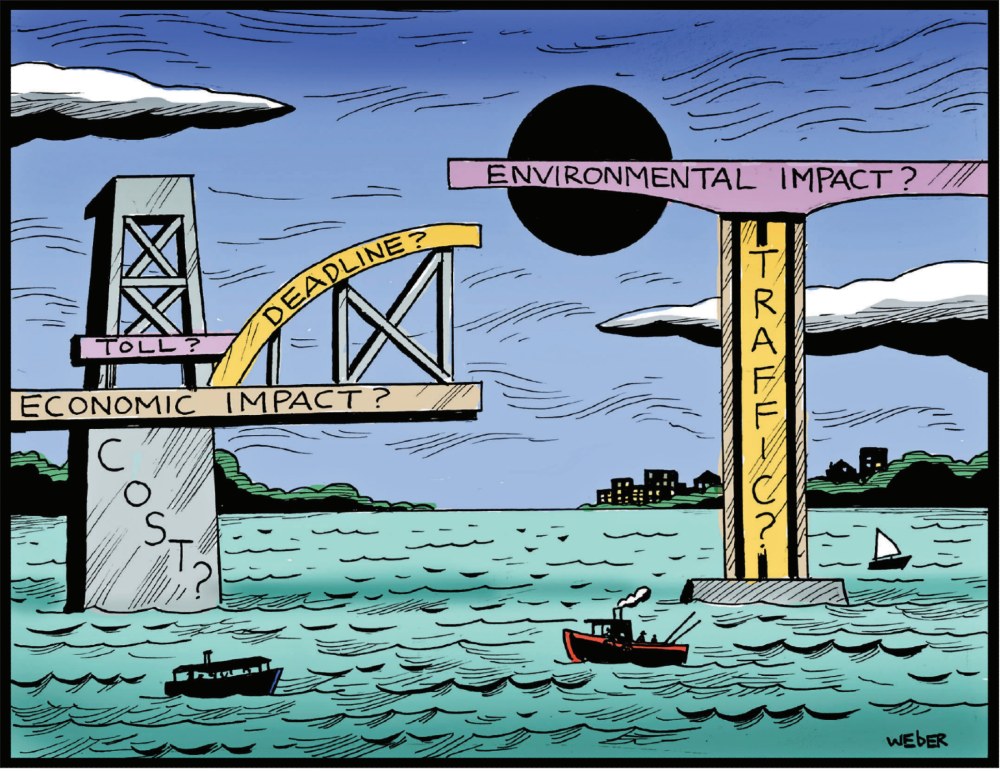
Support for the lower, movable-span bridge dominated spoken comments at the public hearings, and city officials have thrown their support be...
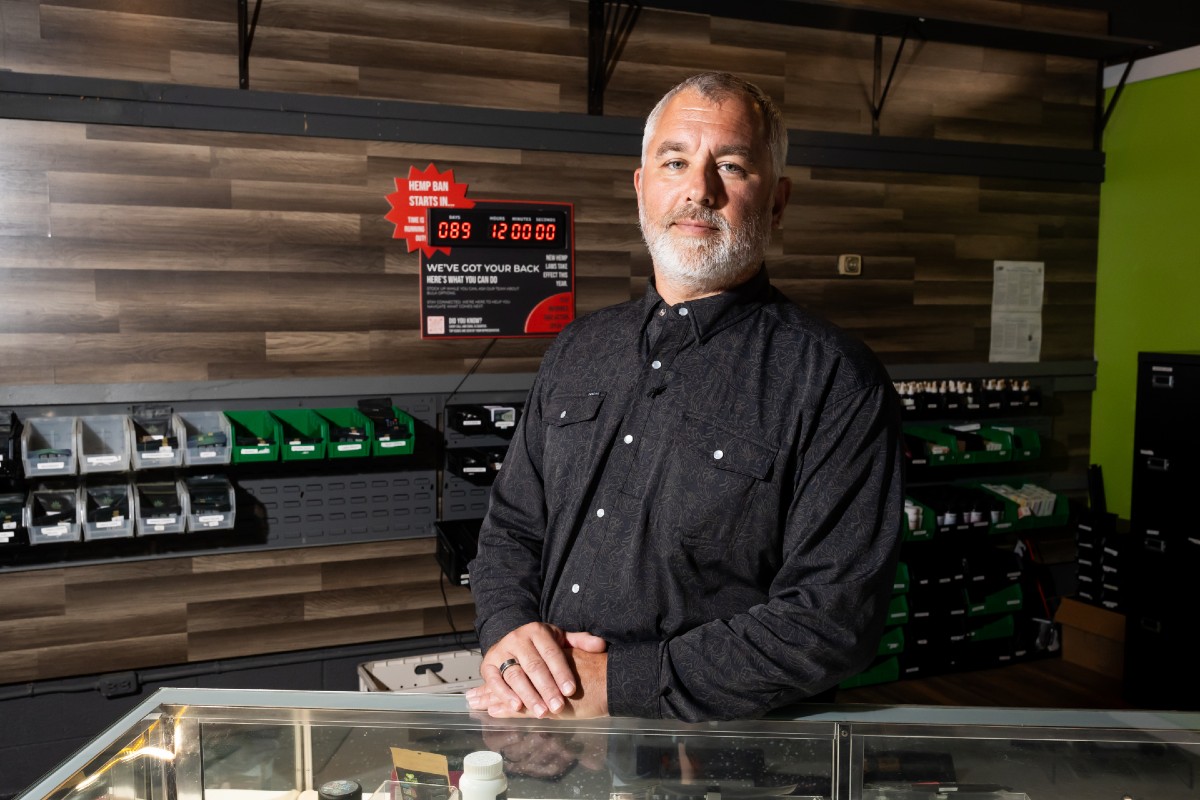
Uncertainty hangs over the hemp industry, including businesses in Wilmington that depend on the sale of hemp-based THC products....
Candidates vying to represent local districts in the N.C. House of Representatives answer questions on timely topics....
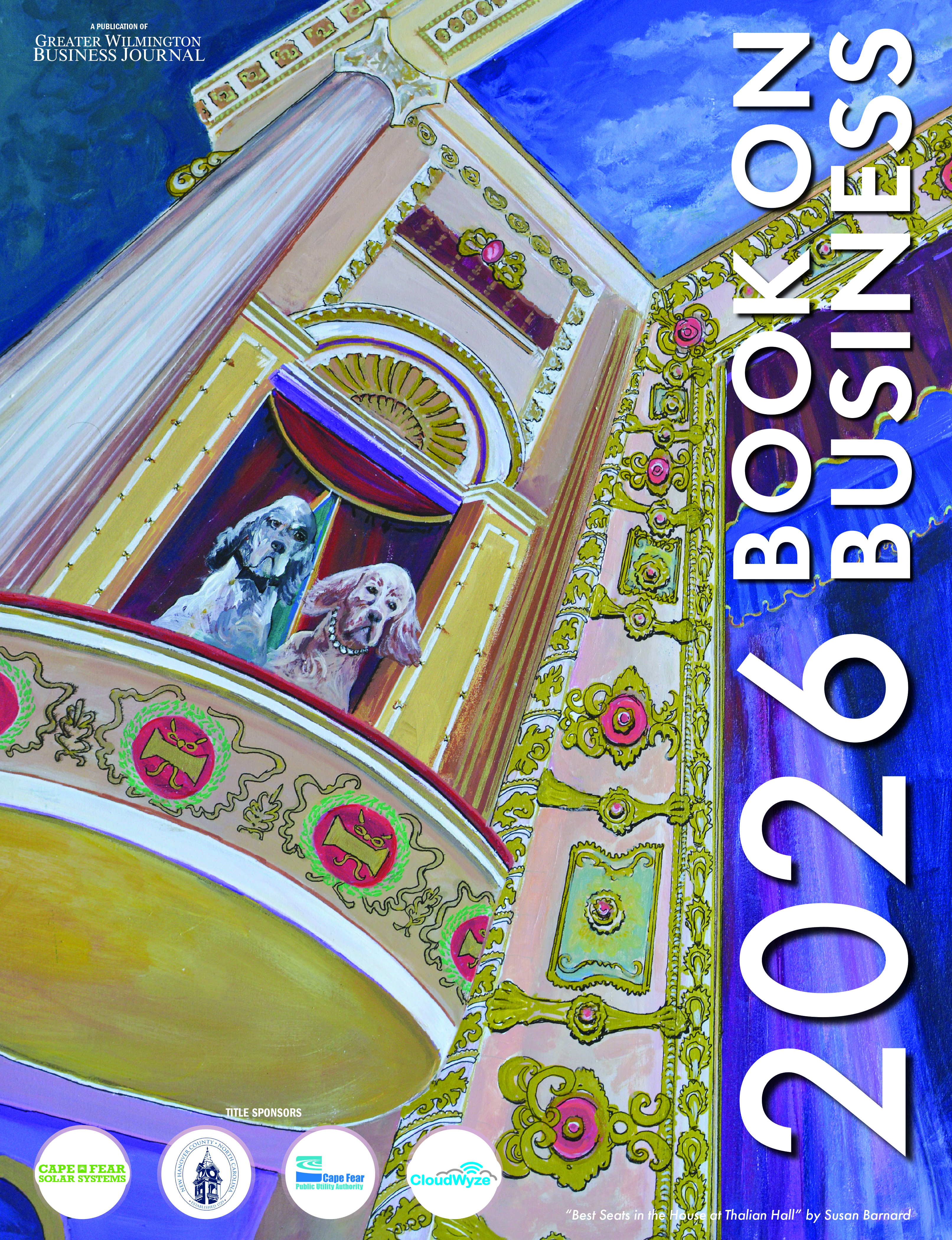
The 2026 WilmingtonBiz: Book on Business is an annual publication showcasing the Wilmington region as a center of business.