Wilmington is growing quickly, and that is good news for business. With regional economic development organizations setting goals to support thousands of new jobs and encourage new company locations, competition will only increase.
In growth markets, opportunity expands. But so do expectations.
The businesses that win are not always the ones with the best service or the longest history. They are the ones that are easiest to trust, easiest to understand, and hardest to replace.
Growth Brings Better Options
When a market grows, buyers get more choices. Customers have more alternatives. Talent has more opportunities. New competitors arrive with strong presentations, modern messaging, and aggressive goals.
This creates a subtle shift. Businesses that were once the obvious choice can become “one of many” without realizing it.
And when buyers can’t tell meaningful differences between options, the default decision becomes price, convenience, or whoever looks more established.
That is how strong companies get replaced.
The Replaceable Business Problem
Most businesses don’t lose because they suddenly decline. They lose because they become harder to distinguish.
They look and sound like everyone else. Their website says what every website says. Their messaging is safe, broad, and forgettable. Their brand doesn’t reflect the actual quality of the work.
In those situations, decision-makers don’t reject the business. They simply don’t select it.
Being good is not always enough to be chosen.
Known Isn’t the Same as Chosen
Many leaders assume brand strength equals recognition. But being known is different than being chosen.
Recognition is familiarity. Choice is trust and relevance at the moment of decision.
Your brand has to do more than exist in the market. It has to communicate value quickly and clearly, especially to new residents, new companies, and new customers who don’t have years of context.
In a growing region, “we’ve always done well” can become a dangerous assumption.
How Businesses Protect Their Position
The companies that stay ahead tend to focus on three things:
Clarity: People understand what you do and why it matters.
Consistency: Your message matches your experience across every touchpoint.
Credibility: Your brand demonstrates proof, not just claims.
This doesn’t require flashy marketing. It requires strategic alignment.
When your positioning is sharp and your story is cohesive, customers feel confidence sooner. That shortens sales cycles, supports premium pricing, and makes growth more sustainable.
The Advantage of Leading Early
In competitive environments, waiting is costly. The businesses that make adjustments early protect market share while others scramble to catch up.
Wilmington’s momentum is real. The question is whether your business is positioned to benefit from it, or whether new options will make you easier to overlook.
The goal is not to be louder. It’s to be clearer.
—
To explore how we help businesses strengthen their positioning and stay competitive, visit tayloegray.com or email me directly at [email protected].


Wilmington Health Facility Sells For $9.4M
Cierra Noffke
-
Oct 26, 2026
|
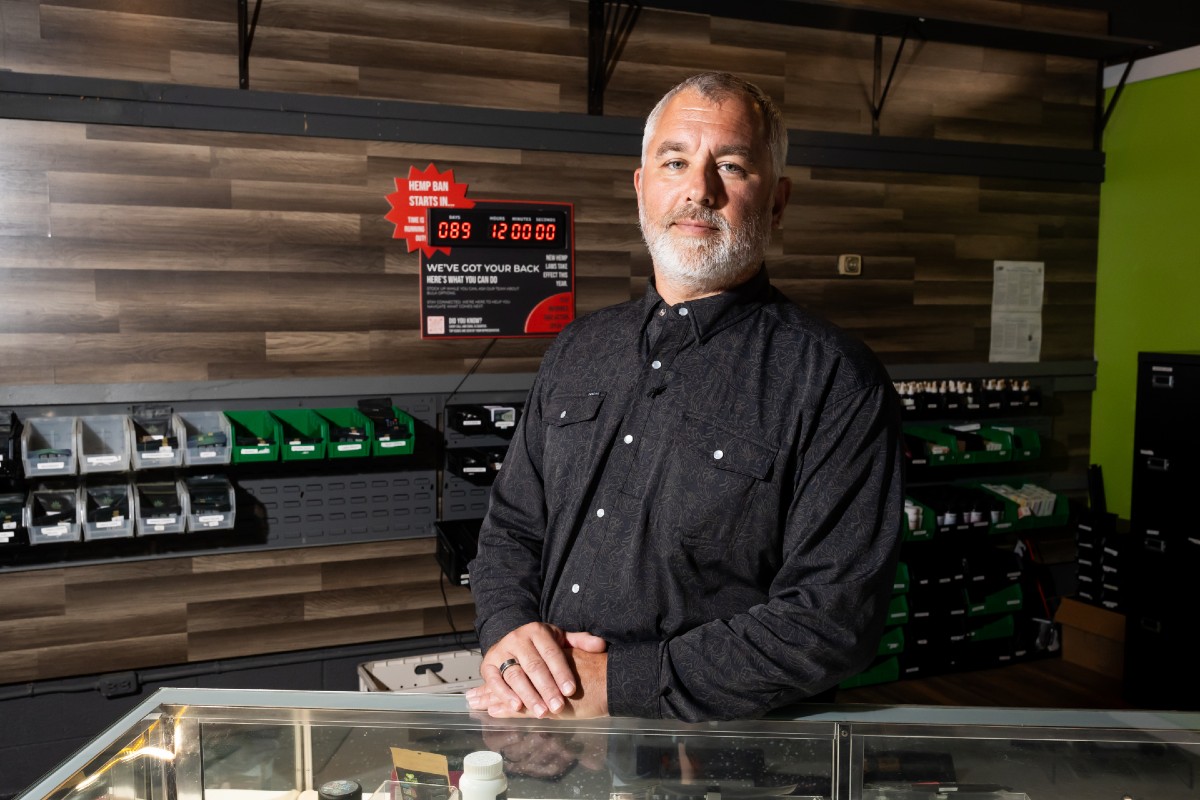
Uncertainty hangs over the hemp industry, including businesses in Wilmington that depend on the sale of hemp-based THC products....

New buildings have opened or will soon open in Burgaw this year to support growing Pender County, including a new law enforcement center and...
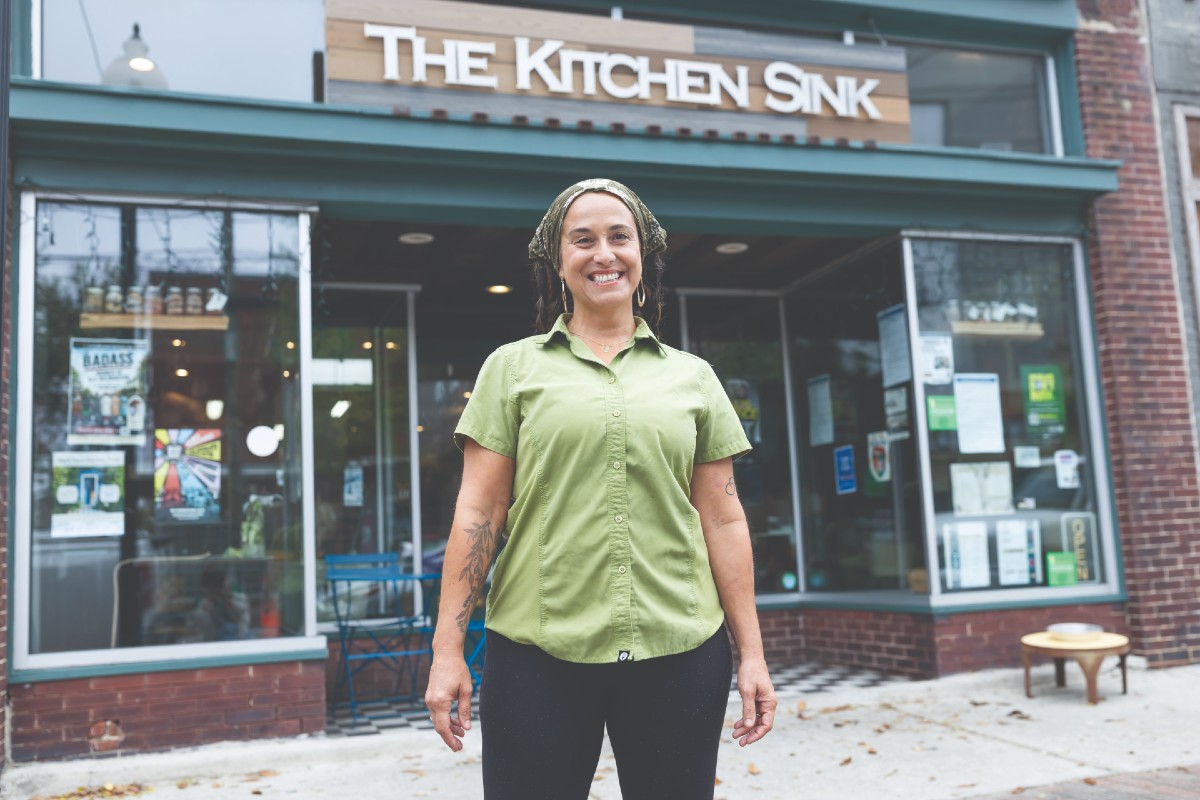
Mitchell is facing many of the same struggles as other restaurants. Despite the challenges, Mitchell said she won’t compromise on food quali...
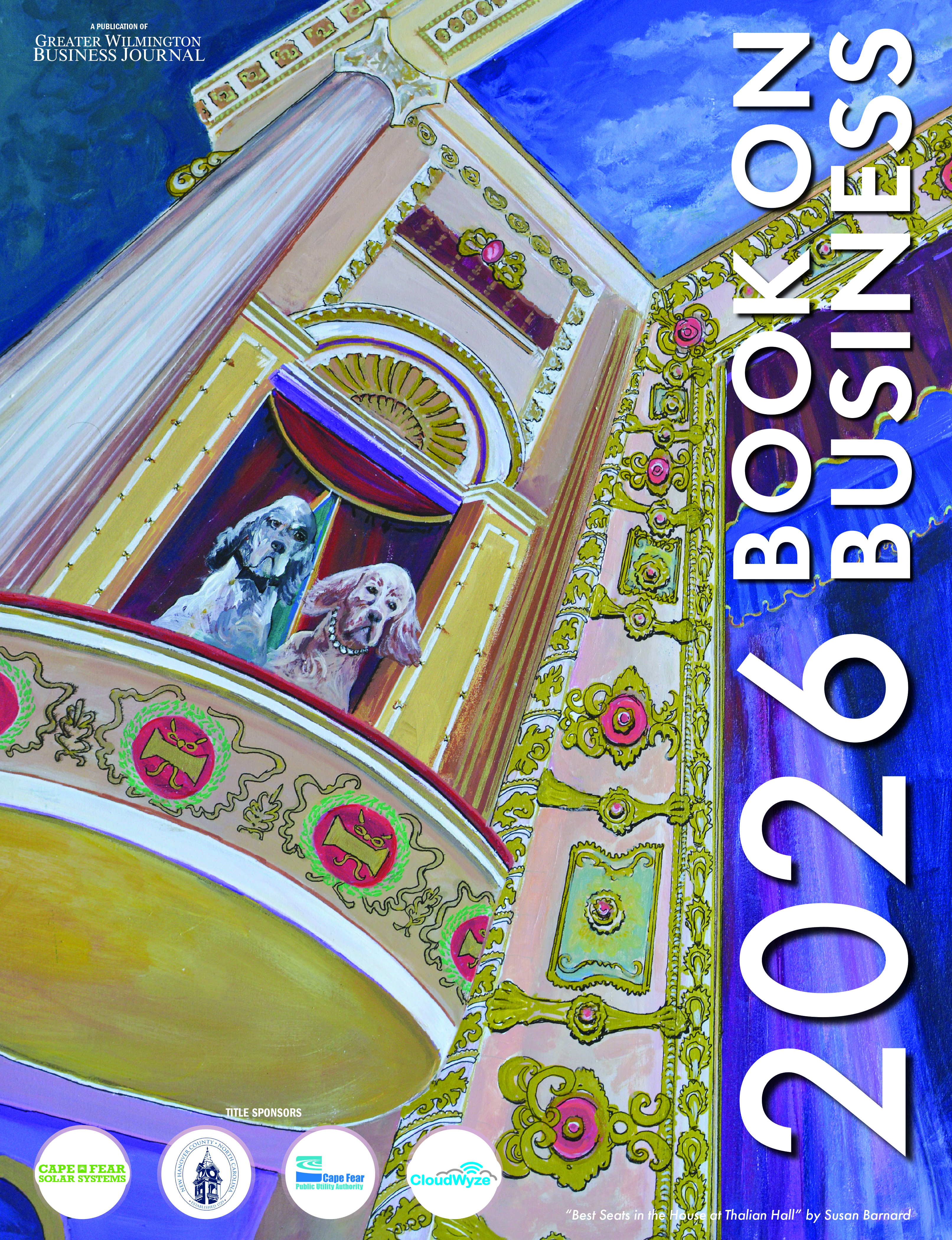
The 2026 WilmingtonBiz: Book on Business is an annual publication showcasing the Wilmington region as a center of business.