Financial scams are an ever-present threat, and the scammers are only getting more skilled, evolving their tactics to take advantage of even more unsuspecting victims. In addition, many of these scams target seniors, so it is important that we understand how to protect our older loved ones from financial abuse or exploitation.
The first step to protect yourself from financial scams is being aware of the most common scams and how to identify them. We’ve put together a list of the most widespread financial scams, how to identify them, and how to protect yourself or your loved ones.
Common Financial Scams
Phishing Scams: Phishing scams involve scammers posing as legitimate organizations, such as banks or government agencies, to obtain sensitive personal identifying information like account numbers, passwords, or Social Security numbers. These scams are typically conducted through emails, text messages, or phone calls.
Phishing Scam Red Flags:
• Emails or text messages with misspellings or grammatical errors.
• Urgent requests to verify your account or update information.
• Links to suspicious or unfamiliar websites.
Investment Scams: Investment scams promise high returns with little to no risk. Examples include Ponzi schemes, fraudulent cryptocurrency opportunities, or unregistered securities. These scams can be particularly enticing during uncertain economic times and often come with “free money” guarantees.
Investment Scam Red Flags:
• Unsolicited investment offers with bonuses for signing up.
• Pressure to act quickly.
• Promises of guaranteed returns.
Imposter Scams: In imposter scams, fraudsters pretend to be trusted individuals or organizations, such as family members, government agencies, or tech support representatives. The goal is to trick victims into sending money or sharing sensitive information.
Common Examples of Imposter Scams:
• Grandparent Scam: A "relative" claims to be in trouble and needs money immediately.
• IRS Scam: Threats of arrest or penalties for supposed unpaid taxes.
Computer Scams: Unfortunately, my own mother fell victim to this fraud. A computer scammer took control of her computer and claimed her device was infected with malware. The fraudster offered to fix the issue for a fee, and without thinking, she gave them a payment over the phone.
Computer Scam Red Flags:
• Unsolicited calls or pop-ups warning about technical problems.
• Requests for remote access or payment for fake services.
Romance Scams: Romance scams prey on victims through fake online relationships. Scammers will create convincing personas, often on online dating sites, to build trust before asking for money, usually citing fabricated emergencies or travel costs.
Romance Scam Red Flags:
• Reluctance to meet in person.
• Requests for money after establishing an emotional connection.
Lottery and Prize Scams: In these scams, victims are told they have won a prize or lottery but must pay fees or taxes upfront to claim their winnings.
Lottery/Prize Scam Red Flags:
• You are asked to pay upfront for a prize.
• Receiving notifications for lotteries or contests you never entered.
Charity Scams: Charity scams often surface during natural disasters or tragedies. Scammers pose as legitimate charities to solicit donations. With recent tragedies like Hurricane Helene in Western North Carolina and the fires in Southern California, these scams are more prevalent than ever.
Charity Scam Red Flags:
• High-pressure donation requests.
• Vague details about the charity or its mission.
• The charity is not registered with official oversight organizations.
Fake Debt Relief or Loan Scams
In these scams, fraudsters promise to reduce debt, fix credit scores, or provide loans for a fee but fail to deliver any legitimate service.
Debt Relief/Loan Scam Red Flags:
• Upfront fees for debt relief or loan services.
• Guarantees of debt forgiveness.
• Lack of transparency about terms and conditions.
Tips to Protect Yourself from Financial Scams
Protecting yourself from financial scams requires vigilance and a healthy dose of skepticism. Here are some key tips to make sure you or a loved one do not become the victim of a scam.
1. Verify Directly: Always contact companies or individuals directly using trusted contact information—such as from their website—to confirm the legitimacy of requests. Do not follow links provided in an email or text message, instead, open a browser and go directly to the website, or contact them directly by phone.
2. Do not Rush: Scammers often use urgency to pressure victims into making hasty decisions. It is wise to say “I need to discuss this with my loved one and/or financial advisor” instead of responding quickly.
3. Never Share Sensitive Information: Never share sensitive information, especially over unsecured or unsolicited communication. Legitimate companies will never contact you asking for account information.
4. Research Thoroughly: Investigate companies, charities, and investment opportunities before engaging with them.
5. Monitor Your Accounts: Regularly review financial statements to identify unauthorized transactions.
If you or someone you love has been the victim of a financial scam, you can report it through Federal Trade Commission.
At Pathfinder Wealth Consulting, our expert Wealth Advisors provide comprehensive financial planning, including helping to safeguard you from financial scams. Let our team guide you toward a secure financial future. Contact us today.
Advisory services offered through Commonwealth Financial Network®, a Registered Investment Advisor.

Wilmington Health Facility Sells For $9.4M
Cierra Noffke
-
Oct 26, 2026
|

Industry professionals say people seem much more willing these days to travel to the Wilmington area outside of the traditional summer vacat...
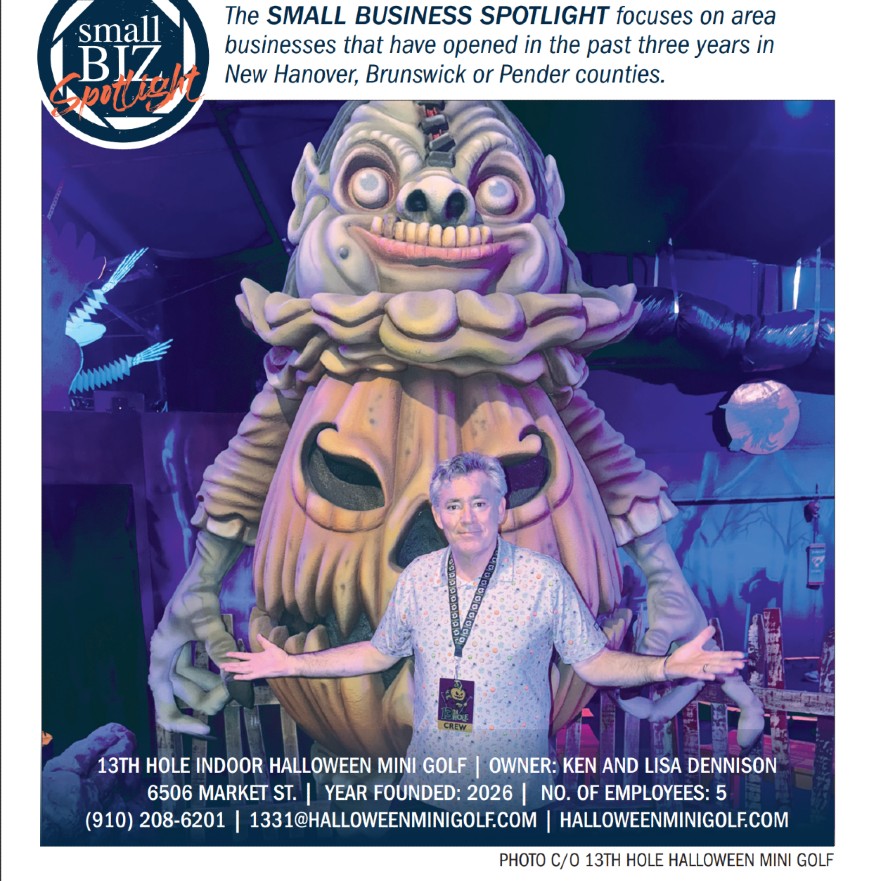
“Our vision is to create a mini-golf experience that becomes a welcoming space for everyone who enjoys a fun adventure with friends and fami...

While downtown also benefits from general fund expenditures, the municipal service district (MSD) “is a way of having some additional money...
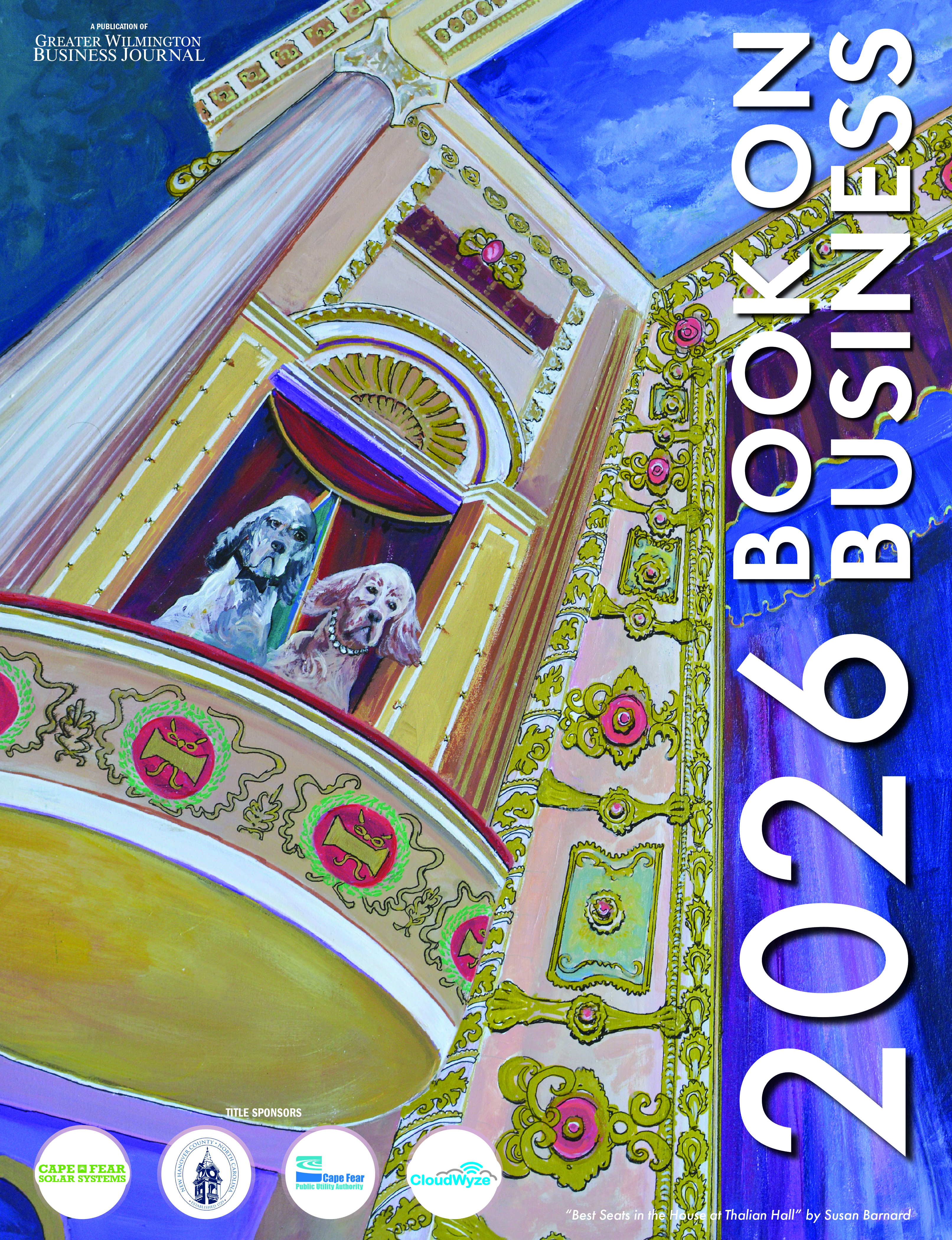
The 2026 WilmingtonBiz: Book on Business is an annual publication showcasing the Wilmington region as a center of business.