This piece was contributed by Chad Slate.
You’ve done it. You have worked hard and saved earnestly and have decided that working until 67 years old seems untenable or maybe just not fun. You look up your Social Security retirement benefit figuring you can stretch out your savings until you start receiving your estimated Social Security retirement benefit assuming that amount plus what you have saved should be plenty to coast you into a long retirement. It may not be that simple. As a high earner considering retirement before your Full Retirement Age (FRA), you should be curious about how stepping away from work early could impact your Social Security retirement benefits. Early retirement is an exciting prospect but understanding how Social Security calculates your benefits is key to planning with confidence.
Social Security determines your retirement benefit based on your highest 35 years of earnings, adjusted for inflation. These earnings are used to calculate your Average Indexed Monthly Earnings, which forms the basis for your Primary Insurance Amount, or PIA—the monthly benefit you’d receive if you claim Social Security at your FRA, typically between 66 and 67, depending on your birth year. If you have been a high earning individual, you’ve likely built a solid earnings history, which sets a strong foundation for your benefits. However, retiring before your FRA could affect this calculation, depending on how many years you’ve worked and your income level.
If you’ve worked 35 years or more by the time you retire, and your earnings have been consistently high, stopping work early is unlikely to significantly reduce your benefit. Social Security uses your highest-earning years, so additional years of zero earnings after retirement won’t greatly alter the outcome. However, if you’ve worked fewer than 35 years, any years without earnings after retiring will count as zeros in the 35-year calculation, which could slightly lower your benefit. For high earners, it’s worth noting that Social Security only counts earnings up to an annual cap (for example, $176,100 in 2025). If you’ve regularly earned above this cap, your benefits are already maximized for those years, so retiring early may have less impact than you might expect. Conversely, if you had high earnings only in the later years of your career, then your benefit calculation would be capped for the years you made above the limit and the lower years would be factored in as well. Additionally, if you worked for only 30 years, for example, there would be five years of $0 income averaged into your benefits calculation, thus potentially lowering your estimated benefit.
To optimize your Social Security benefits, consider a few practical steps. Start by reviewing your earnings history through your My Social Security account at ssa.gov. This will show your years of earnings and provide an estimate of your benefits at different claiming ages. You can also use the Social Security Administration’s online calculators to model how retiring early might affect your benefit based on your unique situation (you will need your past earning statement to fill in your past earnings). If you have the financial flexibility to delay claiming benefits until age 70, this strategy often maximizes your payout, especially for high earners with a strong earnings record. Working with a financial planner can also help you align your Social Security strategy with your broader retirement goals, factoring in taxes, spousal benefits, and other income sources.
In summary, retiring before your Full Retirement Age as a high earner is unlikely to dramatically reduce your Social Security benefits if you’ve worked 35 years at a high-income level. However, if you have fewer than 35 years of earnings, or if later high-earning years could replace earlier lower ones, stopping work early might slightly lower your benefit. The most impactful decision will be when you claim your benefits—claiming early reduces your monthly payment, while delaying until 70 increases it. By reviewing your earnings record and carefully planning your claiming strategy, you can make choices that support a secure and comfortable retirement.
If you have questions about your specific situation or need personalized guidance, please reach out to us at Pathfinder Wealth Consulting. We’re here to help you navigate this important decision with clarity and confidence. Take the first step towards securing your ideal financial future and contact us today to schedule a consultation with one of our experienced Wealth Advisors!
This material is intended for informational/educational purposes only and should not be construed as investment advice, a solicitation, or a recommendation to buy or sell any security or investment product.
Advisory services offered through Commonwealth Financial Network®, a Registered Investment Advisor.

Wilmington Health Facility Sells For $9.4M
Cierra Noffke
-
Oct 26, 2026
|

New buildings have opened or will soon open in Burgaw this year to support growing Pender County, including a new law enforcement center and...

Industry professionals say people seem much more willing these days to travel to the Wilmington area outside of the traditional summer vacat...
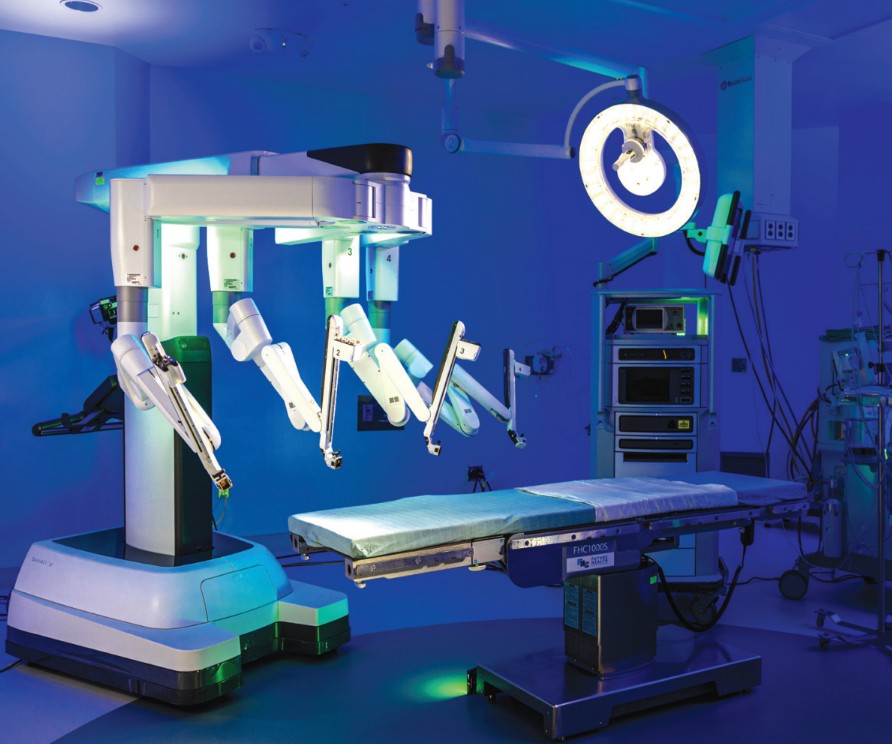
A CON law prohibits healthcare providers from building certain medical facilities, developing new health services or acquiring certain medic...

The 2026 WilmingtonBiz: Book on Business is an annual publication showcasing the Wilmington region as a center of business.