Artificial Intelligence (AI) is revolutionizing the way businesses operate, offering unprecedented opportunities for enhancing productivity. For business leaders, understanding and leveraging AI can lead to significant improvements in efficiency, decision-making, and overall performance.
One of the primary productivity benefits of AI is automation. AI-powered tools can automate repetitive and mundane tasks, freeing up employees to focus on more strategic and creative activities. For instance, AI can handle data entry, customer service inquiries, and even complex processes like supply chain management. This not only speeds up operations but also reduces the risk of human error, leading to more accurate and reliable outcomes.
AI also enhances decision-making capabilities. With the ability to analyze vast amounts of data quickly and accurately, AI provides business leaders with valuable insights that were previously unattainable. Predictive analytics, for example, can forecast market trends, customer behavior, and potential risks, enabling leaders to make informed decisions. This data-driven approach ensures that strategies are based on solid evidence rather than intuition, leading to better outcomes.
Moreover, AI can personalize customer experiences, which is crucial for maintaining a competitive edge. By analyzing customer data, AI can identify patterns and preferences, allowing businesses to tailor their products, services, and marketing efforts to individual needs. This level of personalization not only enhances customer satisfaction but also drives loyalty and repeat business.
In addition to these benefits, AI can improve collaboration and communication within organizations. AI-powered tools like chatbots and virtual assistants can facilitate seamless communication between team members, regardless of their location. These tools can schedule meetings, manage emails, and even provide real-time translations, making it easier for global teams to work together efficiently.
Furthermore, AI can optimize resource management. By analyzing data on resource usage, AI can identify inefficiencies and suggest improvements. For example, AI can optimize energy consumption in manufacturing plants or manage inventory levels in retail stores. This leads to cost savings and more sustainable operations.
For business leaders, embracing AI is not just about adopting new technology; it's about fostering a culture of innovation. Leaders must encourage their teams to experiment with AI and explore its potential applications. This requires investing in training and development to ensure that employees have the skills needed to work with AI tools effectively.
AI offers numerous productivity benefits for business leaders. From automating tasks and enhancing decision-making to personalizing customer experiences and improving collaboration, AI has the potential to transform the way businesses operate. By embracing AI, business leaders can drive efficiency, innovation, and growth in their organizations.

Tech Wilmington: Upcoming Events Calendar
Staff Reports
-
Oct 21, 2026
|
|
McNally Earns Accredited Airport Executive Distinction
Staff Reports
-
Oct 20, 2026
|
|
Under New Owner, Pour Taproom To Add More Nonalcoholic Beverages, Events
Emma Dill
-
Oct 21, 2026
|
|
Sidbury, Godbey Honored By Fundraising Professionals Association
Staff Reports
-
Oct 20, 2026
|
|
Amazon To Hire 1,500 Seasonal Workers At Local Facilities
Emma Dill
-
Oct 20, 2026
|
|

Industry professionals say people seem much more willing these days to travel to the Wilmington area outside of the traditional summer vacat...

Among the races this year is the contest between incumbent Sen. Michael Lee, R-New Hanover, and newcomer Jessica Bichler for N.C. Senate Dis...

New buildings have opened or will soon open in Burgaw this year to support growing Pender County, including a new law enforcement center and...
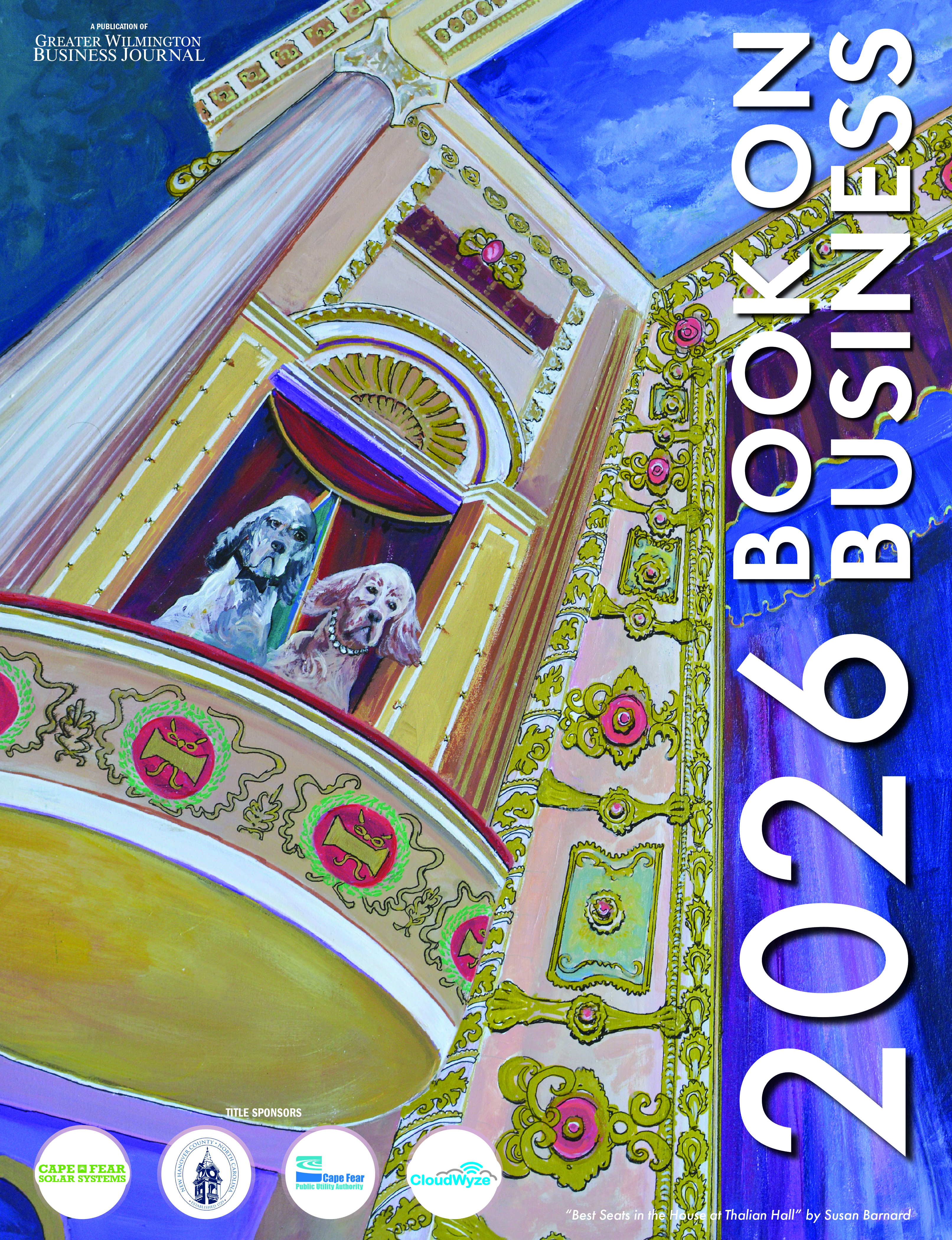
The 2026 WilmingtonBiz: Book on Business is an annual publication showcasing the Wilmington region as a center of business.