Every company has a culture, whether leaders intentionally build it or simply allow it to form over time. Culture is not only what is written in a handbook or printed on a wall. It is the collection of behaviors, expectations, habits, and standards that people experience every day. It shows up in how decisions are made, how customers are treated, how employees communicate, what gets rewarded, and what gets ignored. A business may have a healthy culture or an unhealthy one, but it cannot have no culture at all.
When culture is left to chance, it usually develops around the loudest personalities, the most urgent problems, or the habits of the past. This accidental culture may work for a while, especially in a small company where people know each other well. But as the business grows, unclear expectations create confusion. Employees begin to make decisions based on assumptions instead of shared values. New hires learn the culture by watching whoever happens to train them. Over time, the company may become inconsistent, political, reactive, or disconnected from the mission it originally set out to pursue.
Designing culture on purpose means deciding what kind of company you want to be before circumstances decide it for you. Leaders must define the values that matter most, translate those values into specific behaviors, and then reinforce them through hiring, onboarding, meetings, recognition, accountability, and daily leadership decisions. For example, if a company says it values ownership, then employees should be trusted to solve problems, expected to follow through, and recognized when they take responsibility. If a company says it values teamwork, then collaboration must be built into how goals are set and how success is measured.
A designed culture also helps a business scale. As companies add people, locations, departments, and layers of leadership, culture becomes the operating system for behavior. It gives employees a common language for making choices when no manager is in the room. It helps leaders hire people who fit the mission, coach people who drift from expectations, and protect the standards that make the company different. Without intentional culture, growth can dilute what made the business special. With intentional culture, growth can strengthen it.
The most important point is that culture is always being created. Every promotion, tolerated behavior, customer interaction, and leadership response sends a message about what is normal. If leaders ignore culture, they are still shaping it through silence. If they design it, communicate it, and live it consistently, culture becomes a competitive advantage. A good culture does not happen by accident, and a bad culture is not usually created overnight. Both are built one repeated behavior at a time. The choice for leaders is not whether their company will have a culture; the choice is whether that culture will be accidental or intentional.
Read more at vistage.com.

Tech Wilmington: Upcoming Events Calendar
Staff Reports
-
Oct 21, 2026
|
|
McNally Earns Accredited Airport Executive Distinction
Staff Reports
-
Oct 20, 2026
|
|
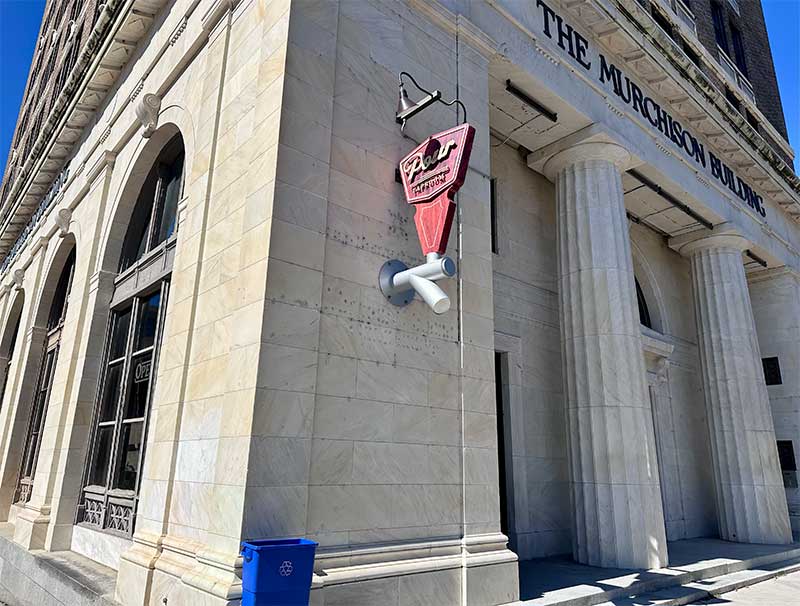
Under New Owner, Pour Taproom To Add More Nonalcoholic Beverages, Events
Emma Dill
-
Oct 21, 2026
|
|
Sidbury, Godbey Honored By Fundraising Professionals Association
Staff Reports
-
Oct 20, 2026
|
|
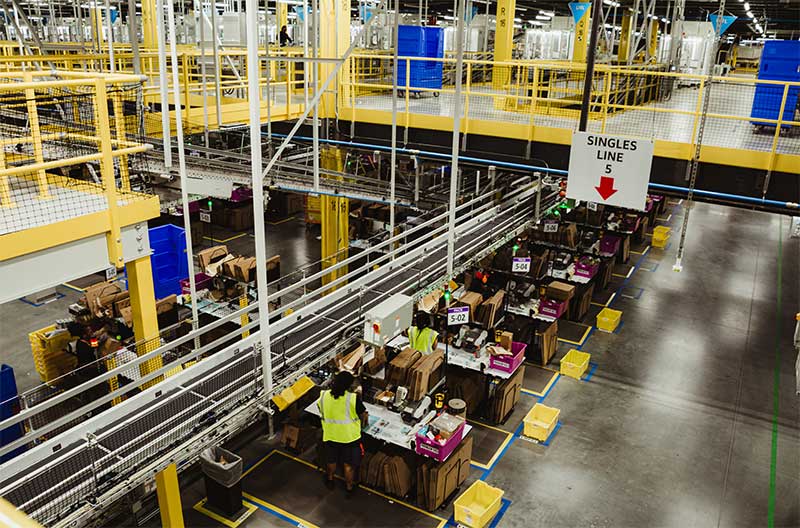
Amazon To Hire 1,500 Seasonal Workers At Local Facilities
Emma Dill
-
Oct 20, 2026
|
|
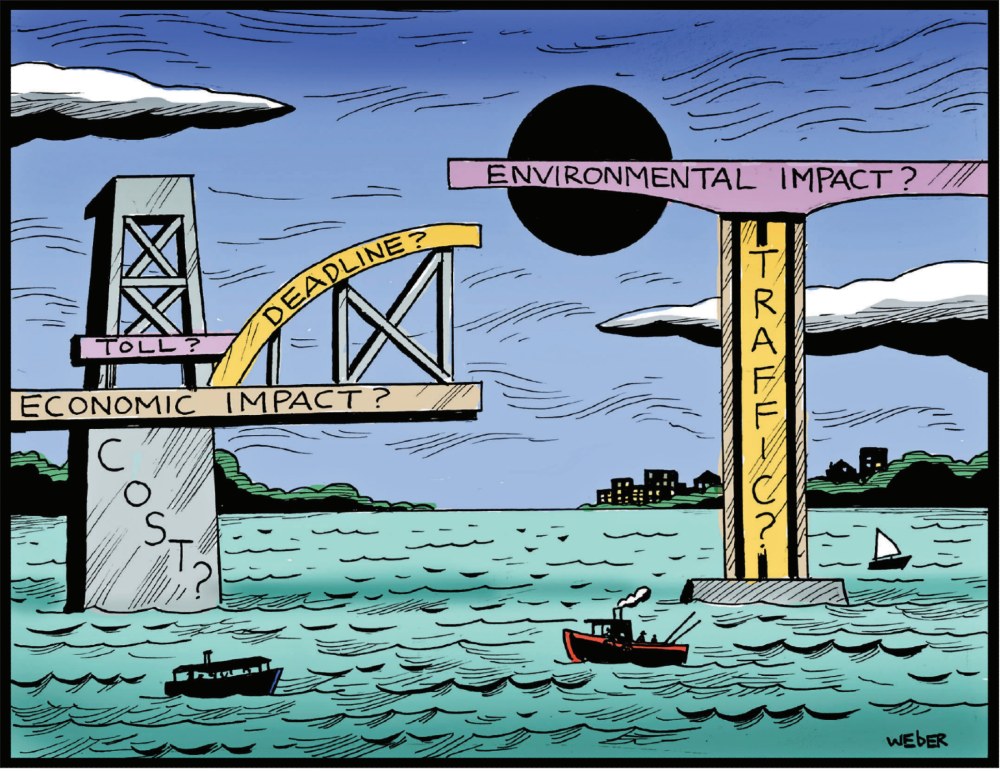
Support for the lower, movable-span bridge dominated spoken comments at the public hearings, and city officials have thrown their support be...

While downtown also benefits from general fund expenditures, the municipal service district (MSD) “is a way of having some additional money...

Uncertainty hangs over the hemp industry, including businesses in Wilmington that depend on the sale of hemp-based THC products....
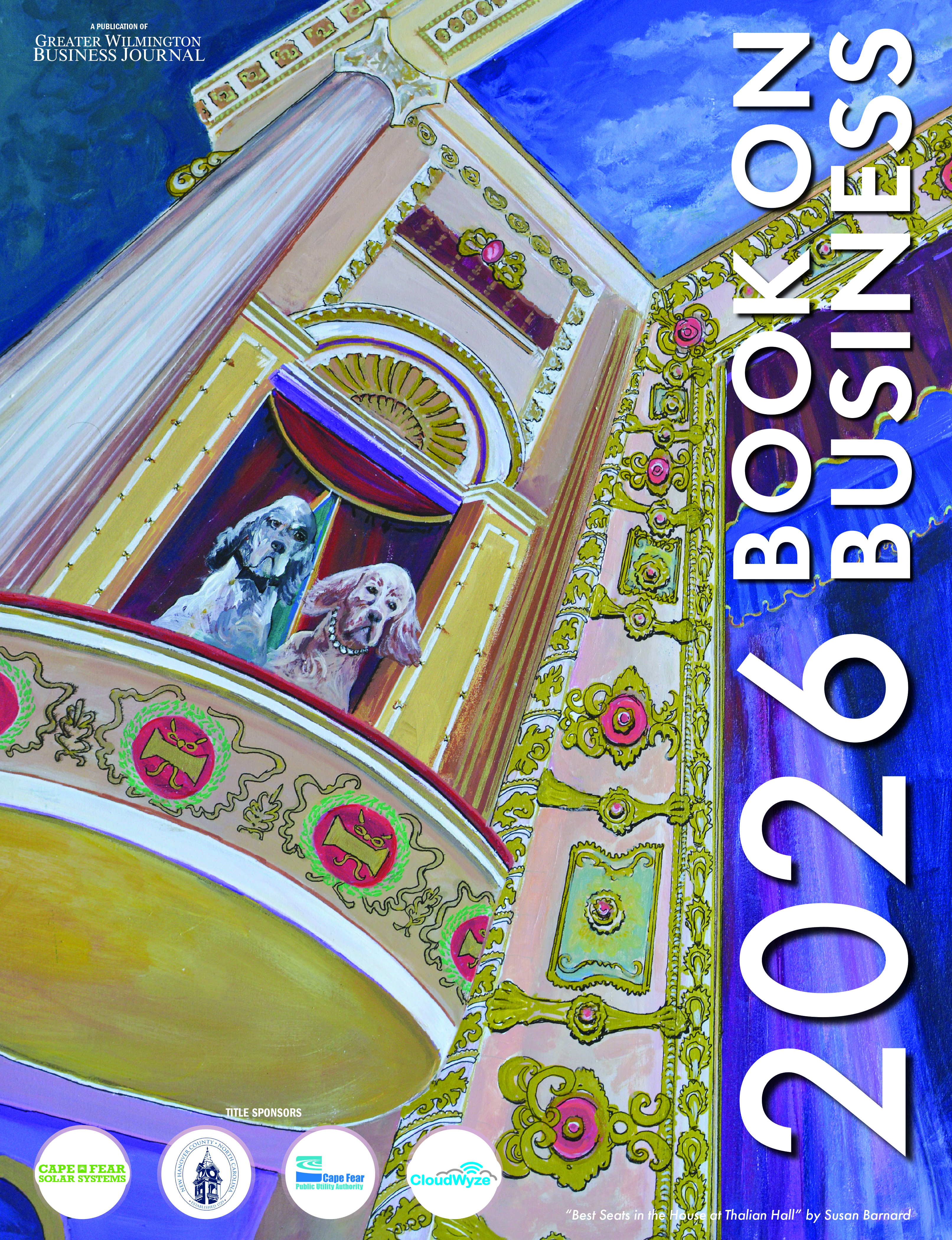
The 2026 WilmingtonBiz: Book on Business is an annual publication showcasing the Wilmington region as a center of business.