In our community, hunger rarely announces itself as hunger.
Sometimes it looks like a parent skipping dinner so their child can eat. Sometimes it looks like a senior stretching a fixed income and quietly choosing between groceries and medication. Sometimes it looks like a neighbor who is working, doing everything they can, and still falling behind as costs rise—so food becomes the first thing to give.
At Good Shepherd Center, we see this every day. And what more than four decades of frontline experience continue to show is simple: food is not separate from housing, and neither is it separate from health. Hunger is often the earliest signal that stability is slipping—and a reliable meal is often the first step toward getting it back.
This understanding is shared far beyond emergency food providers. National conversations among leaders in healthcare, food systems, and community development emphasize what service providers have long known: consistent access to food functions as preventive care, helping stabilize lives before emergencies escalate into crises.
Where Stability Begins: A Meal and a Moment to Breathe
A hot meal offers more than nourishment. It provides comfort. It creates a moment of calm. And, often for the first time in a while, it offers a sense of dignity. For someone who has been navigating instability alone, that consistency builds trust.
For the housed but food insecure seniors and low income workers who rely on Good Shepherd’s soup kitchen, consistent food support relieves some of the burden they face in choosing between paying for housing, utilities, and medications, or paying for groceries. We know that food is the first item to be cut from lean budgets, leaving too many neighbors without adequate and reliable food at home, and especially healthy food which can be more expensive.
For the unhoused adults and families who access the soup kitchen, momentum often builds from the very first meal. What begins as a hot, nutritious and substantial lunch can become a connection to other needed supports, including our Day and Night Shelters—a safe place to regroup. From there, guests can access on-site medical care and other emergency services, stabilizing health and able to think beyond surviving the next crisis. Then comes the steady work of case management: a trusted professional helping to navigate systems, secure documentation, boost income, search for affordable housing, and map a path forward. What starts at the table becomes coordinated care, housing navigation and, ultimately, a return to permanent housing. Food is the beginning, but stability is the destination.
That’s why Good Shepherd’s food programs are not supplemental services. They are foundational infrastructure for residents’ stability across the Cape Fear region.
In 2025 alone, Good Shepherd provided:
Over 120,000 meals through the Soup Kitchen
More than 79,000 meals through the Grocery Giveaway
51,000 meals delivered to rehoused seniors and families
These numbers reflect more than scale. They reflect consistency—and consistency is essential for people navigating housing instability, health challenges, or financial strain.
Food, Shelter, and Health Are Inseparable
National research and emerging “Food as Health” initiatives increasingly underscore a critical truth: food insecurity is linked to poorer health outcomes and higher reliance on emergency care. Addressing hunger early helps reduce strain on healthcare systems and supports long-term stability.
At Good Shepherd Center, this connection is visible every day.
For someone sleeping outdoors, managing chronic illness becomes nearly impossible without reliable meals. For someone in shelter, consistent nutrition supports energy, focus, and emotional regulation. For rehoused seniors and families, delivered meals can be the difference between staying stable and slipping back into crisis.
Food alone is not a solution—but without reliable access to enough food and healthy food, there is no opportunity for quality of life.
March Brings Two Opportunities to Meet Hunger with Community
Good Shepherd’s Spring Hunger Challenge calls attention to the everyday reality of hunger in our community—it’s an opportunity to ensure that a steady, nourishing meal remains available to anyone who needs it. Alongside it, the Empty Bowls 2026 event offers a deeply human way to reflect on what hunger means and how collective action can make a difference.
Our Spring Hunger Challenge looks like neighbors choosing to support daily meals through a financial gift. It looks like bags of groceries and pantry staples dropped off at the back of 811 Martin Street, under the carport, where in-kind food donations move directly into our Soup Kitchen, Grocery Giveaway, and meal delivery programs. These quiet, practical acts are what allow us to keep the table set, ready to receive that hungry neighbor.
Empty Bowls began as a grassroots, artist-led movement more than three decades ago, rooted in a simple idea: a single empty bowl represents the reality faced by millions of people who don’t know where their next meal will come from. Across the country, communities gather around handmade bowls and a serving of soup to raise awareness, build empathy, and support local hunger relief efforts.
Here in Wilmington, Empty Bowls supports both Good Shepherd Center’s soup kitchen and Mother Hubbard’s Cupboard’s food pantry—programs that ensure neighbors have access to nourishing meals when they need them most. Between 11 a.m. and 1:30 p.m. on Friday, March 13th, more than 1,000 participants will come together at the First Baptist Activity Center. They’ll join a soup line, at the end of which celebrity servers including Mayor Bill Saffo and New Hanover County Commission Chair Bill Rivenbark will serve them a bowl of soup from one of more than 20 area restaurants. (There’ll be a To Go option for those pressed for time!) After this modest but delicious meal, participants will head to the famous Bowl Room, where they’ll be able to choose one from among hundreds of handcrafted bowls created by local potters and woodturners—a beautiful keepsake to cherish and to remember the experience by. An online auction featuring 20 especially exceptional pieces contributed by the artisan community, including both clay and wood turned pieces, will round out the event.
In a season of local funding cuts but greater community need, Empty Bowls carries greater importance than ever in raising essential funds for these critical programs. Still, the event is much more than a fundraiser. It is a reminder that hunger is both deeply personal and profoundly communal, and that ending it together is a community’s shared commitment.
Purchase Tickets or Sponsorships to Empty Bowls 2026
The Invitation
Good Shepherd Center’s role in emergency food services is inseparable from our role in shelter and housing. Food is one of the front lines of stability and well being—and ensuring its access by every neighbor is one of the most tangible ways our community shows care.
This March, through the Hunger Challenge and Empty Bowls, the invitation is simple:
Help keep the table set.
Help keep the safety net strong.
Help ensure a meal remains the first step toward stability for neighbors in crisis.
For more about Good Shepherd Center and our efforts to end hunger and homelessness in the Cape Fear community, go to www.goodshepherdwilmington.org.

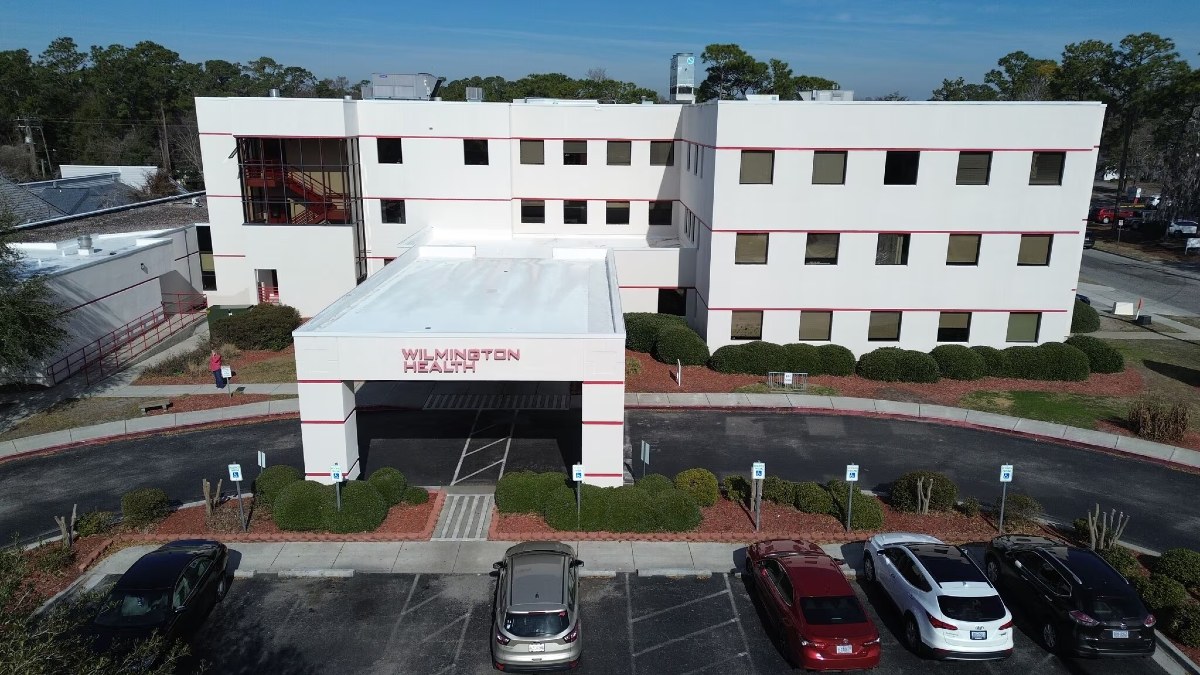
Wilmington Health Facility Sells For $9.4M
Cierra Noffke
-
Oct 26, 2026
|

“Our vision is to create a mini-golf experience that becomes a welcoming space for everyone who enjoys a fun adventure with friends and fami...
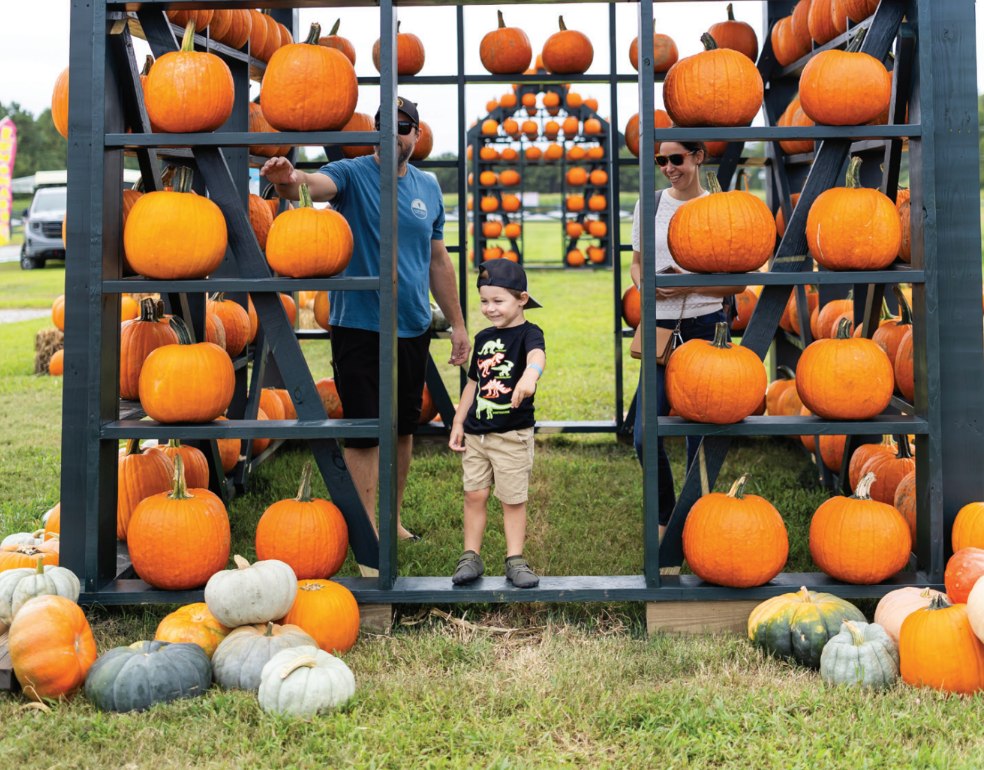
Industry professionals say people seem much more willing these days to travel to the Wilmington area outside of the traditional summer vacat...
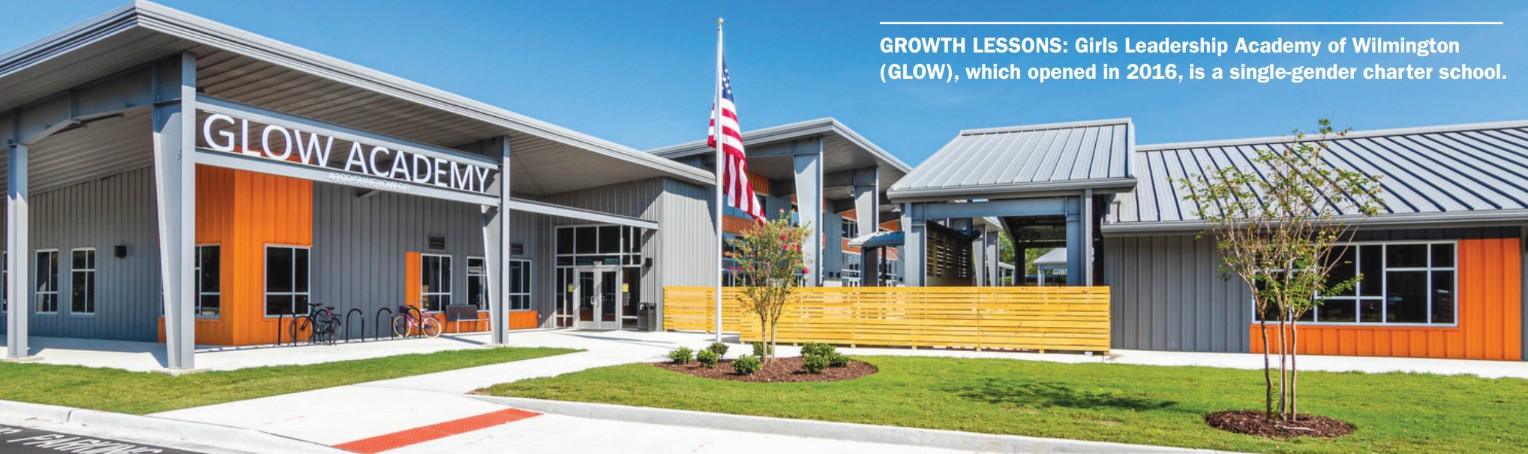
While the state’s charter school sector grows, Wilmington charter schools are seeing demand of their own – presenting both opportunities and...

The 2026 WilmingtonBiz: Book on Business is an annual publication showcasing the Wilmington region as a center of business.