2025 solidified solar energy as the fastest-growing energy source. And, as homeowners continue to shift towards producing their own power, they're also shifting how they're paying for these systems.
Historically, North and South Carolina homeowners have purchased their systems--whether outright or through financing. Now, many are opting to lease their systems rather than own them.
What Is Solar Leasing?
Solar leasing allows a homeowner to install solar panels without purchasing them. Instead, their system is owned by a third-party provider, and the homeowner pays a fixed monthly fee to have its energy production offset their consumption.
Because the system is not purchased, leasing both (1) requires no upfront cost and (2) typically has lower monthly payments than a financed system. This arrangement can make solar more accessible to homeowners who are not interested in financing or making a large initial investment.
However, because the system is not owned by the homeowner, the long-term financial benefits differ from ownership.
How Leasing Differs from Owning a Solar System
Similar to leasing a vehicle, leasing solar panels emphasizes convenience and lower initial cost, while ownership generally provides more control over system performance and maintenance decisions.
Owned solar systems are typically viewed as home improvements and can increase property value. Leased systems, on the other hand, remain separate from the home itself.
When it comes to performance and workmanship warranties, owned systems are backed by the solar installer, and leased systems by the third-party lessor. This means that any post-installation support might not be done by the original installer. However, it also means that with the lessor backing the warranties, they may even extend some of the product warranties.
Financial Considerations to Understand
The financial impact of a solar lease depends heavily on the contract terms. Monthly payments, contract length, and annual rate increases can all affect overall savings. While some leases maximize immediate monthly savings, compared to utility bills, others are designed to provide more predictable long-term energy costs rather than maximum short-term savings.
With ownership, savings tend to grow over time as the system continues to produce energy and utility rates rise. Because there is no ongoing lease payment once the system is paid off, ownership often results in greater lifetime savings.
When Leasing May Be Appropriate
Solar leasing can be a reasonable option for homeowners who prioritize low upfront cost or immediate monthly savings. It may also appeal to those who prefer not to manage system ownership responsibilities.
That said, leasing is not inherently better or worse than owning—it is simply structured differently. The key is understanding how the agreement works and how it aligns with personal financial goals and homeownership timelines.
Making an Informed Solar Decision
Choosing how to go solar is just as important as choosing whether to go solar at all. By understanding the differences between leasing and ownership, homeowners can evaluate which option provides the right balance of cost, control, and long-term value.
An informed decision starts with clear information, transparent comparisons, and guidance tailored to the unique needs of each home. Solar works best when homeowners understand not just how it generates power, but how it fits into their broader energy and financial plans.


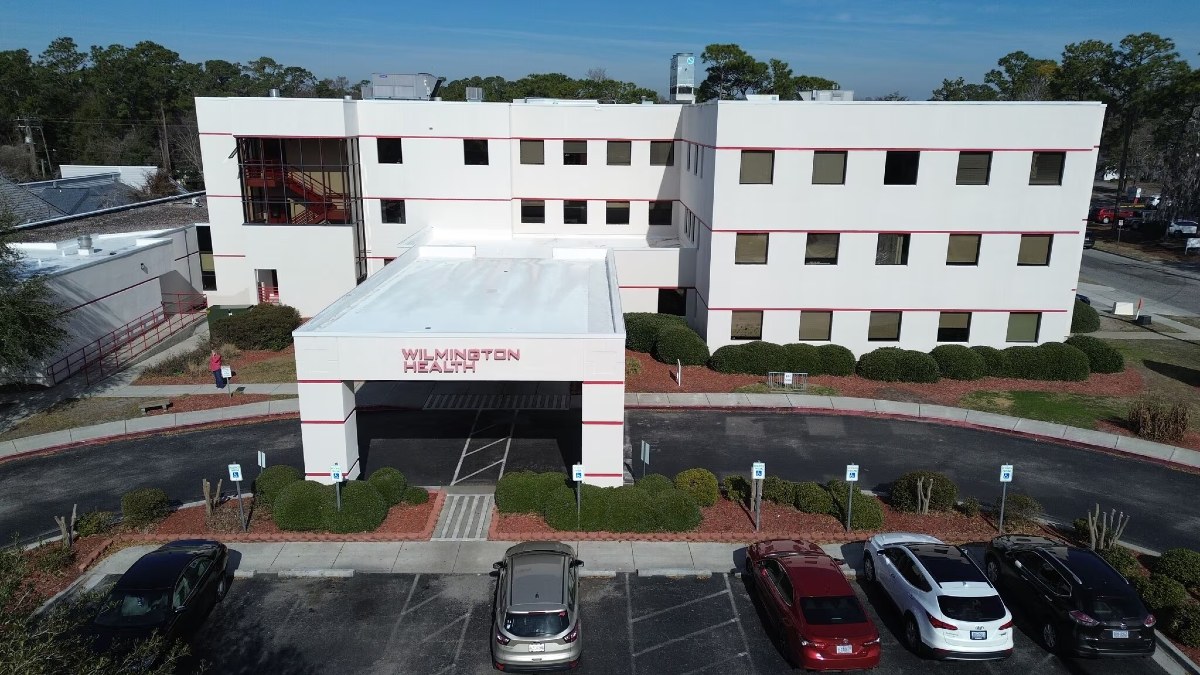
Wilmington Health Facility Sells For $9.4M
Cierra Noffke
-
Oct 26, 2026
|
Five candidates are vying for two seats on the New Hanover County board....
Among the races this year is the contest between incumbent Sen. Michael Lee, R-New Hanover, and newcomer Jessica Bichler for N.C. Senate Dis...

While downtown also benefits from general fund expenditures, the municipal service district (MSD) “is a way of having some additional money...

The 2026 WilmingtonBiz: Book on Business is an annual publication showcasing the Wilmington region as a center of business.