One of the oldest scams around involves a criminal getting hold of one of your checks and forging the payee and the amount. Usually this is done by “washing” the check with chemicals to remove the real information you have written on it. Today, with access to new technologies, criminals are “cooking” checks by creating fake versions of real checks using computer programs. These “cooked” checks can be manipulated digitally and either printed or deposited electronically, saving the crook a lot of mess and hassle.
The best way to protect against these scams is to be careful how you send checks. If you use your checkbook to pay bills via mail, how you send those bills is the key to staying safe. Rather than dropping the bills in your mailbox and flipping up the flag, take them to the post office and drop them off inside. A criminal can’t wash or cook a check they don’t physically have, so taking this extra step to safeguard your mail can protect your bank account in the long run.
If there is one thing everyone should understand, it is that “scammers” are career criminals skilled at the art of manipulation, and no one is immune. These crooks target people of any age; in fact, 41% of those who reported a fraud loss to the Federal Trade Commission in 2023 were under the age of 30. So, what can a person do if they experience fraud?
One resource is the AARP Fraud Watch Network Helpline. Every weekday, trained AARP volunteer fraud fighters are helping victims and their families understand what happened, report the crime, and start to put their lives back together. That number is 1-977-908-3360. We also offer an online small group victim support program to help address the emotional harm fraud victimization causes. Learn more at aarp.org/fraudsupport.
If you or someone you know has been the victim of fraud, make sure to file a report with local police; among other things, you will have this as evidence in the event restitution becomes possible down the line.
Be a fraud fighter! If you can spot a scam, you can stop a scam.
Visit the AARP Fraud Watch Network at www.aarp.org/fraudwatchnetwork or call the AARP Fraud Watch Helpline at 1-877-908-3360.


Wilmington Health Facility Sells For $9.4M
Cierra Noffke
-
Oct 26, 2026
|

Now under the ownership of Yousry Sayed, the founder of Quality Chemical Laboratories, Wilmington Machinery is eyeing business growth....
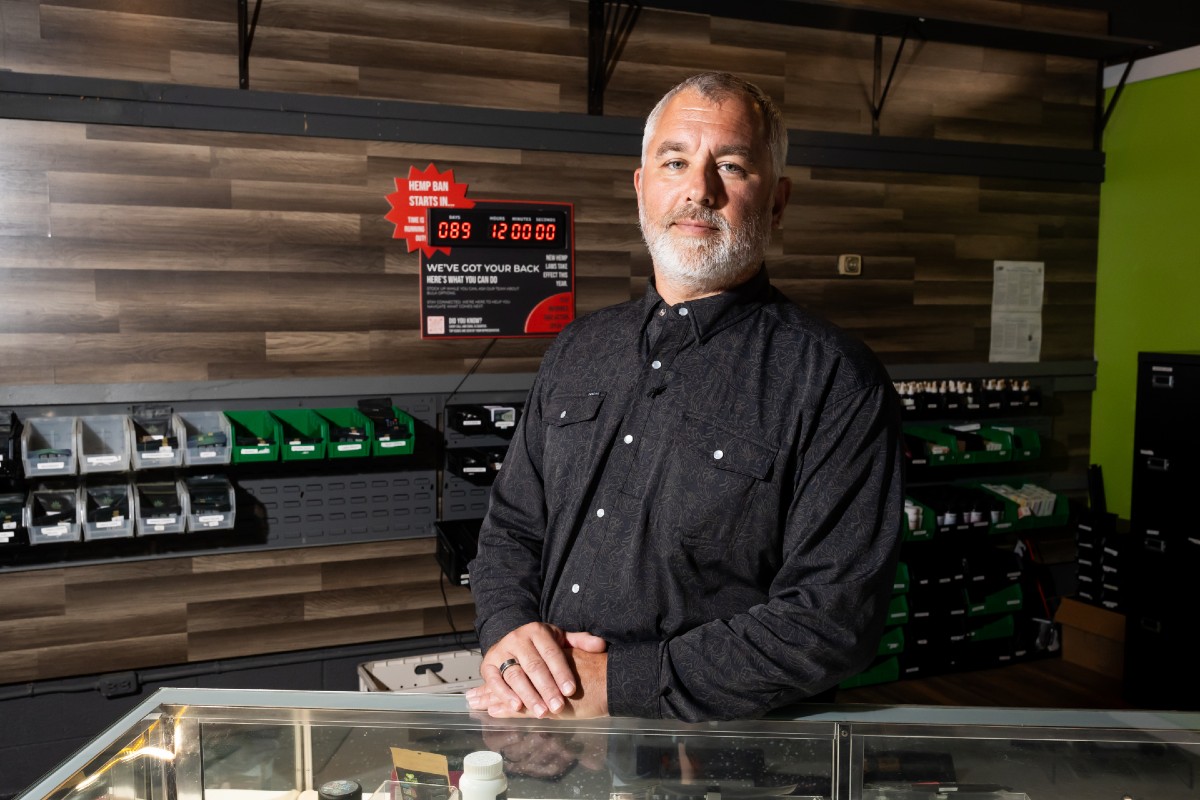
Uncertainty hangs over the hemp industry, including businesses in Wilmington that depend on the sale of hemp-based THC products....

New buildings have opened or will soon open in Burgaw this year to support growing Pender County, including a new law enforcement center and...

The 2026 WilmingtonBiz: Book on Business is an annual publication showcasing the Wilmington region as a center of business.