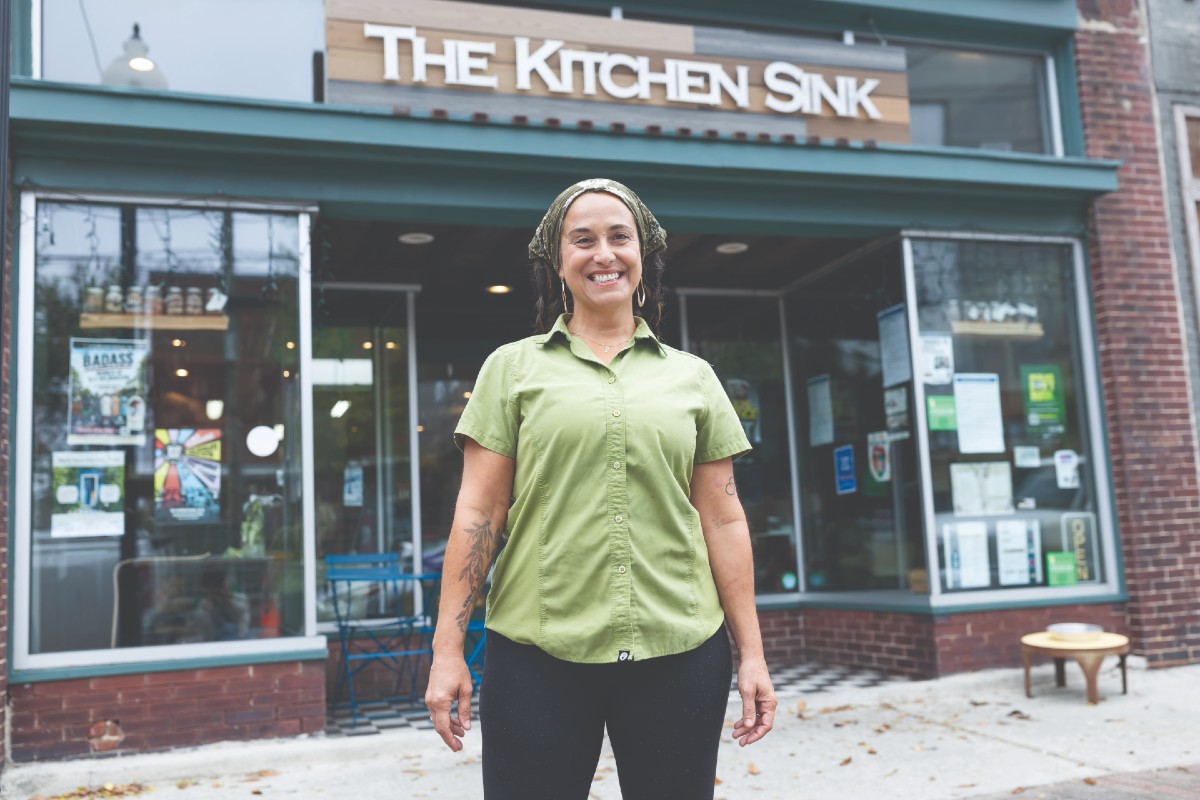
When Alicia Mitchell, owner of The Kitchen Sink on North Fourth Street in the Brooklyn Arts District, first opened her eatery in 2021, the restaurant was overwhelmed with customers.
“I was very hopeful that would always continue,” Mitchell said.
But there was no accurate way to predict the impact of increasing food costs, overhead costs, higher wages and higher interest rates on loans for maintenance and improvements. And when expenses go up and customers stay home, it’s even more difficult for restaurants to remain afloat.
Mitchell grew up in a family where cooking was an integral part of everyday life.
“My dad is Italian; my mother was Polish. When we had nothing in the house, my mom put everything but the kitchen sink into a pot and made the best meal. From those fond memories, I made the leap to the culinary industry where I found my happy place,” she said.
Mitchell said she had the idea for The Kitchen Sink for many years before she opened the restaurant. After taking business classes and working on her business plan for three years, she was ready to share her love of food in her restaurant named to pay homage to her mother.
Mitchell is facing many of the same struggles as other restaurants. Despite the challenges, Mitchell said she won’t compromise on food quality. “Food costs have doubled or tripled, but I won’t serve frozen, cheaper food. That’s not what my restaurant was meant to be,” she said. “I won’t skimp on the marinara; I use good quality tomatoes and olive oil, and I bake my own bread.”
The increasing cost of living is driving higher employee wages. Mitchell said she pays more than minimum wage, which is necessary to keep the best employees, and she distributes tips among every employee. “Dishwashers are as important as the head chef,” she said.
While rent has remained consistent, hidden costs remain. “Insurance rates have doubled since I opened,” Mitchell said. “Restaurant utilities, like cleaning grease traps, and repairs, especially in a historically protected building, are more expensive. My five-day floor replacement meant loss of customers on top of cost. And then there was need to replace a refrigerator. It even costs more to put my chalkboard sign on the sidewalk.”
Interest rates on certain loans can now be 38-39%. “I can get money quickly, but I also have to pay it back quickly,” she explained. Mitchell is working with Carolina Small Business Development Fund, a nonprofit providing financial solutions, for loan guidance.
Terry Espy is president of MoMentum Companies, a business brokerage firm with an emphasis on restaurants. “Everybody is concerned about the economy, so there’s this innate nervousness. We still have SBA funding for the purchase of restaurants, which tells you from a federal level that there’s still confidence,” she said. “Almost all restaurants are seeing a reduction in profits, so they’re trying to get creative.”
Mitchell has turned to creativity. She is teaching bread-making classes, has partnered with DoorDash and Chow Now to capture the stay-at-home customers, and is offering party platters and in-restaurant hosting for up to 40 people. New customers are offered 10% discounts. Giving up her liquor license, Mitchell converted her bar to a wellness bar offering ginger shots, mocktails and THC-infused drinks. She recently completed FDA testing and permitting for a wholesale license.
Mitchell is also leaning on social media through passionate pleas to customers. “It was hard to be vulnerable and honest about my restaurant, but that’s who I am,” she said of her posts. “After my first post, the community came out in droves. My sales doubled every day. The second week was good, but customers have started to drop off again.”
Mitchell is not the only struggling restaurant in Wilmington. Justin Smith, part owner of The Rift, K-Town, Prost Biergarten and Anne Bonny’s Bar and Grill, believes the economy is taking a toll.
“It’s difficult for employees who have taken on additional jobs, cutting into their personal time,” Smith said. “Our staff becomes our family, and we are looking out for them.”
Rising costs are also a challenge. “Ten years ago, you could get a $10 lunch. Twenty-five dollars for lunch today is a sharp but necessary increase,” Smith said.
Smith’s strategy is to rely on locals. “We are treating locals with as much grace as we can with options and specials,” he said. “Restaurants, bars and entertainment are the fabric of our community and should be the last thing to be forgotten. I’m proud to be a part of this industry, and I have faith in it.”

Tech Wilmington: Upcoming Events Calendar
Staff Reports
-
Oct 6, 2026
|
|
Hemp Industry Caught In Legal Weeds
Cece Nunn
-
Oct 7, 2026
|
|
Election 2026 Q&A: N.C. Senate Candidates Share Their Views
Staff Reports
-
Oct 7, 2026
|
|
Carolina HealthWorks Gains Ground As Small Business Health Insurance Costs Rise
Cierra Noffke
-
Oct 5, 2026
|
|
State's Certificate Of Need Requirements Draw Scrutiny
Cierra Noffke
-
Oct 7, 2026
|
|
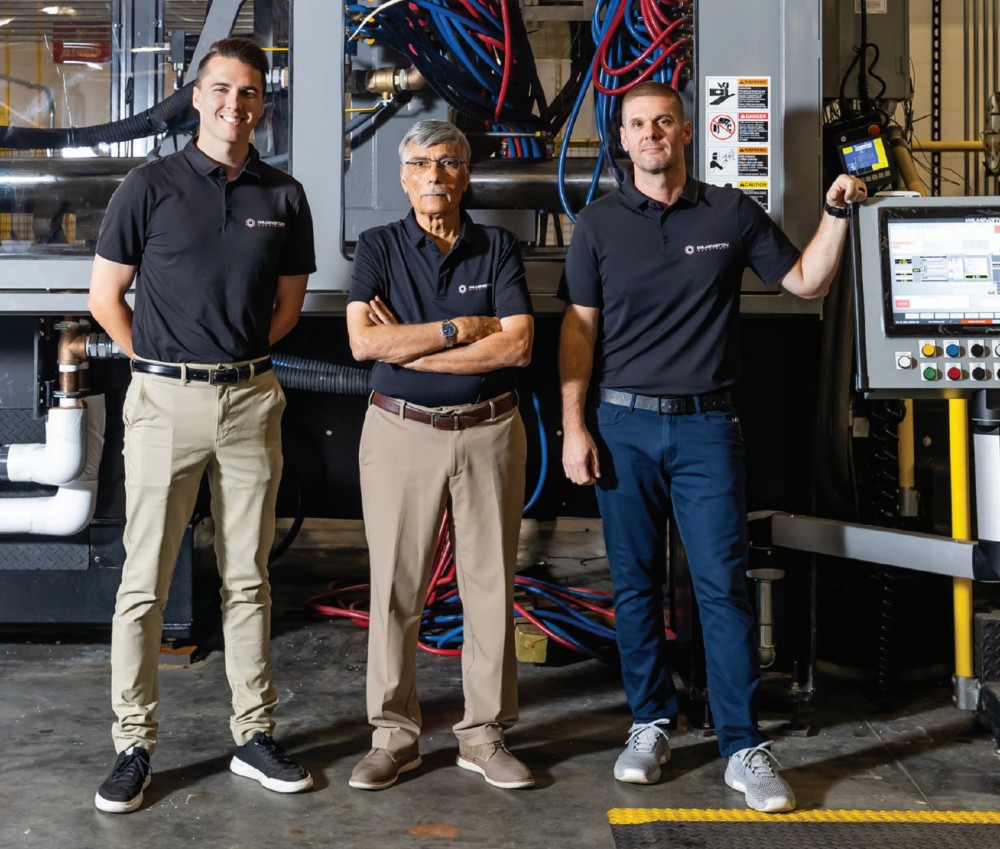
Now under the ownership of Yousry Sayed, the founder of Quality Chemical Laboratories, Wilmington Machinery is eyeing business growth....
Candidates vying to represent local districts in the N.C. House of Representatives answer questions on timely topics....
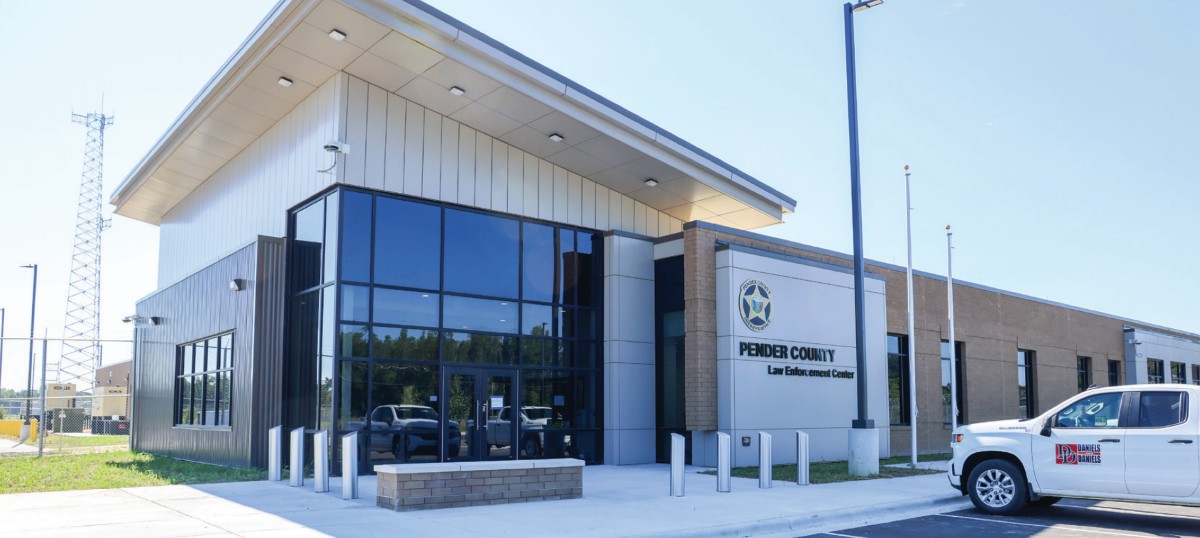
New buildings have opened or will soon open in Burgaw this year to support growing Pender County, including a new law enforcement center and...

The 2026 WilmingtonBiz: Book on Business is an annual publication showcasing the Wilmington region as a center of business.