I have worked in the people area for almost 40 years. In some of the organizations where I have worked, the stuff I do often falls under Human Resources. Human Resources, by and large, is an unappreciated and misunderstood group, and sometimes for deserved reasons. My area of expertise, which is sometimes called organization development or change management or transformational leadership, is even less understood. How do you explain to someone without any “hands-on” experience in transforming an organization exactly what it is you are going to do? I once saw a colleague sit with a line manager with an ice cube. He explained that the frozen piece of ice represented the current organization. He let the ice cube thaw or turn to liquid. He then explained that the third step in this process was to refreeze the liquid back into ice, representing the changed organization. It didn’t go too well.
I recently started working with a faith-based health care organization in the Midwest. The organization is at the beginning of its journey, but I am very optimistic. I see its leaders living their values, not giving “lip service” to them. This is important. Employees are watching to see if what you say and what you do are consistent. This organization’s executive team is emphasizing “owning a problem” and articulating what it wants to be, not dwelling on what it isn’t.
There is also an emphasis on spirituality guiding “how” it does “what” it does. This notion of spirituality is cropping up in organizations that are secular and non-secular. This seems to me to be the beginning of something that is going to grow in importance. It is similar to the importance of “service” to my children’s generation. Of course, service like the Peace Corps was around when I was younger, but it wasn’t a prevalent choice.
A couple months ago I came across a New York Times article by Timothy Egan entitled, “Pope Francis and the Art of Joy.” One of the daunting challenges facing Pope Francis is changing the minds and hearts of the world’s 1.2 billion Catholics. The article talked about how attendance at church is down across religious denominations. This was something I experienced firsthand earlier this year on a trip to Australia and New Zealand. It was scary how low attendance was in the Protestant churches I attended. In spite of all that, Pope Francis moves forward unfazed.
One of the things Egan mentions in his article is Pope Francis’ “self-deprecating lightness of being …” and that “He projects a sense that he’s an average man who’s in on the joke.” In response to a pretty controversial question posed to him, Pope Francis replied, “Who am I to judge?” I thought to myself if not him, who? When Pope Francis was officially named Pope he turned to the people who had elected him and said, “May God forgive you for what you’ve done.” He smiled. They laughed.
So how does this anecdote about Pope Francis relate to transformational leadership?


Wilmington Health Facility Sells For $9.4M
Cierra Noffke
-
Oct 26, 2026
|

While downtown also benefits from general fund expenditures, the municipal service district (MSD) “is a way of having some additional money...
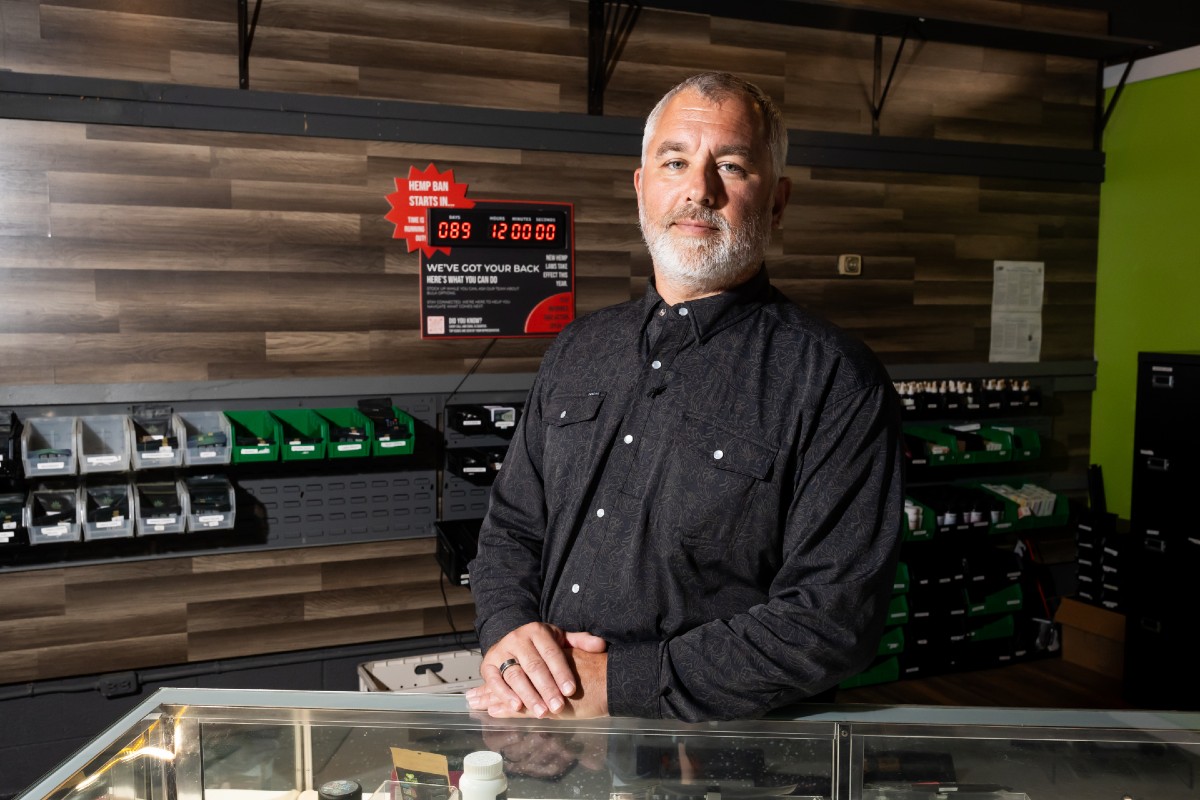
Uncertainty hangs over the hemp industry, including businesses in Wilmington that depend on the sale of hemp-based THC products....
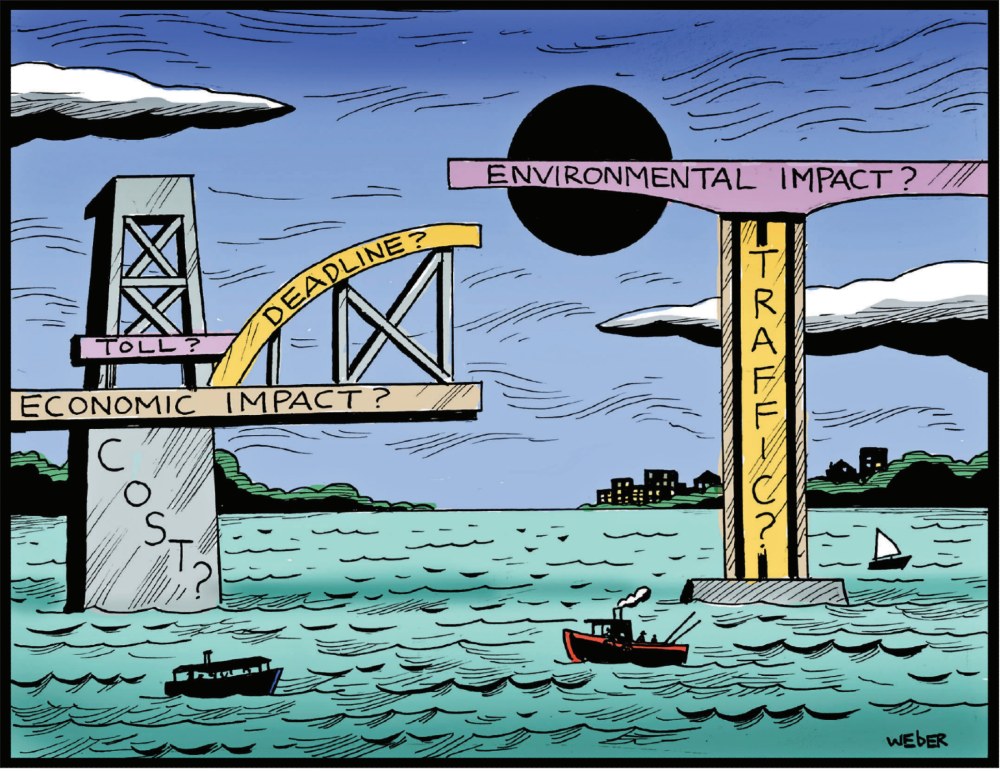
Support for the lower, movable-span bridge dominated spoken comments at the public hearings, and city officials have thrown their support be...
The 2026 WilmingtonBiz: Book on Business is an annual publication showcasing the Wilmington region as a center of business.