While some people who work for consulting firms have never worked within a company, most of our people at EASI•Consult ® have spent part of their careers as internals.
Having been inside an organization as an employee, you understand firsthand what it is like if a project does not go well and you have to see that unsatisfied “customer” (i.e. your fellow employee), so to speak, every day.
An external consultant, by contrast, comes into an organization, does his or her project then leaves.
The point is, it’s all about perspective.
Having worked many years both internally and externally, I value both experiences. There have been advantages and disadvantages to both, but they each offered unique perspectives.
A different perspective is one of the things I really value about going outside the United States once in a while. On a recent trip to Europe, I landed in Berlin, a city I had not yet had the opportunity to visit on my many prior work trips to Germany.
I was really curious to find out whether, after more than 25 years, there was still a difference between East and West Berlin.
My immediate observations were that I had not landed in the downtown section. There also seemed to be a number of empty lots, and a train and metro were nearby. There weren’t a lot of restaurant or retail options in the area, yet there seemed to be a lot of young males in their 20s and 30s walking alone or in small groups.
The next day I jumped on the tram and went into the center of the city. It was about a 15- to 20-minute ride from my hotel, which turned out to be in East Berlin. After a day of sightseeing, I stopped at a restaurant for a glass of wine and I struck up a conversation with the bartender, a young guy in his mid-20s.
It turned out he was from Israel and, after his compulsory military service and some traveling, had moved to Berlin a few months ago to attend college. He was already learning German ahead of taking his classes in the language.
I was impressed by his spirit of adventure. He asked me several questions about America, and I, in turn, asked about his experience in Germany and shared with him some of my impressions of Berlin.
Then, the conversation turned to some of Germany’s challenges with its aging population. The individual taxes there are very high but the retirement programs are quite comprehensive.
The difficulty is, with Germany’s lower birth rate, there is not a sufficient population paying into the system to cover the outflow of retirement payments. Given the demographics, Germany’s system is unsustainable.
So, President Angela Merkel saw the refugee situation in Syria as the perfect opportunity to both make a humanitarian gesture - assisting the refugees - and solve her country’s cash flow problems.
Something the government did not consider was these refugees did not speak German, and many of them lacked marketable skills. A lot of those young males I noticed around the streets near my hotel and in groups at neighborhood cafes were Syrian refugees.
My Israeli bartender mentioned his German classes were full of Syrian refugees trying to learn German in order to become employable. He also mentioned rising frustrations among several of his classmates and that some of the conversations were becoming more radical in tone.
What Merkel thought would fix a problem may, in fact, end up creating another, far worse one.
We sometimes forget the U.S. is a country made up of immigrants. And as immigrants, current or former, we’re either looking out or looking in.
What is the role of the private sector and, specifically, human resources in addressing the refugee problem? Skilling or reskilling our existing and future workforce is challenging. How could the public and private sectors come together to address this problem today and moving forward?
Germany has already offered us some things that won’t work but, making a few assumptions, putting both refugees and U.S. citizens to work might involve the following steps:


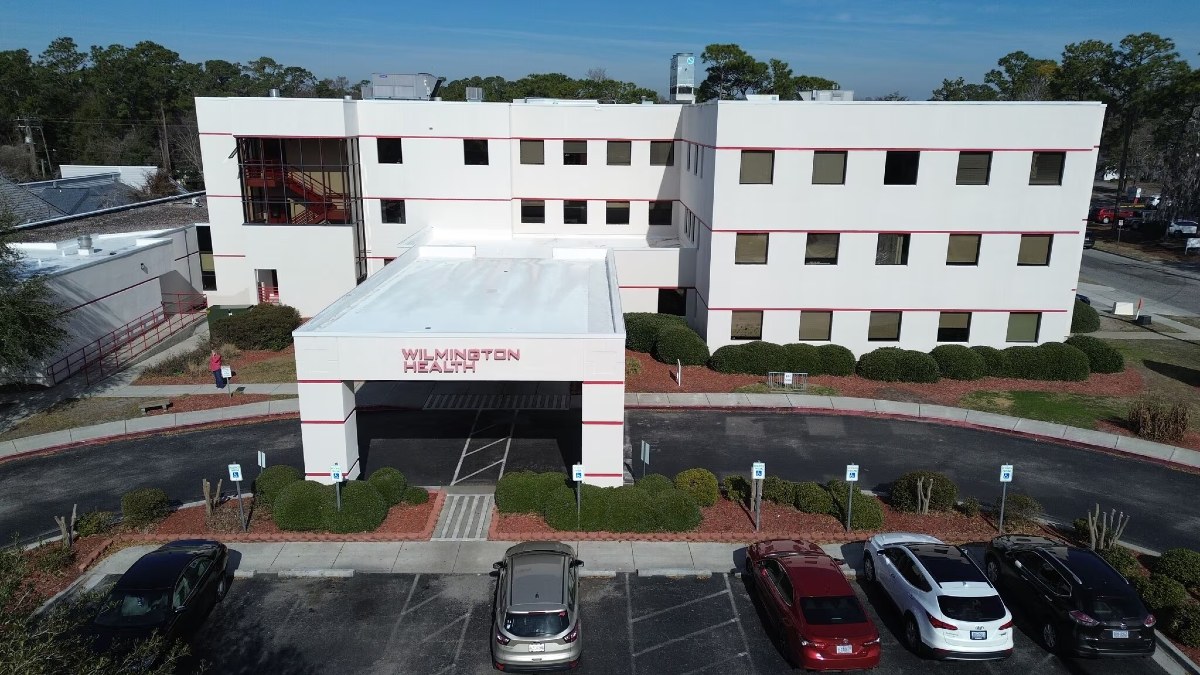
Wilmington Health Facility Sells For $9.4M
Cierra Noffke
-
Oct 26, 2026
|

While the state’s charter school sector grows, Wilmington charter schools are seeing demand of their own – presenting both opportunities and...
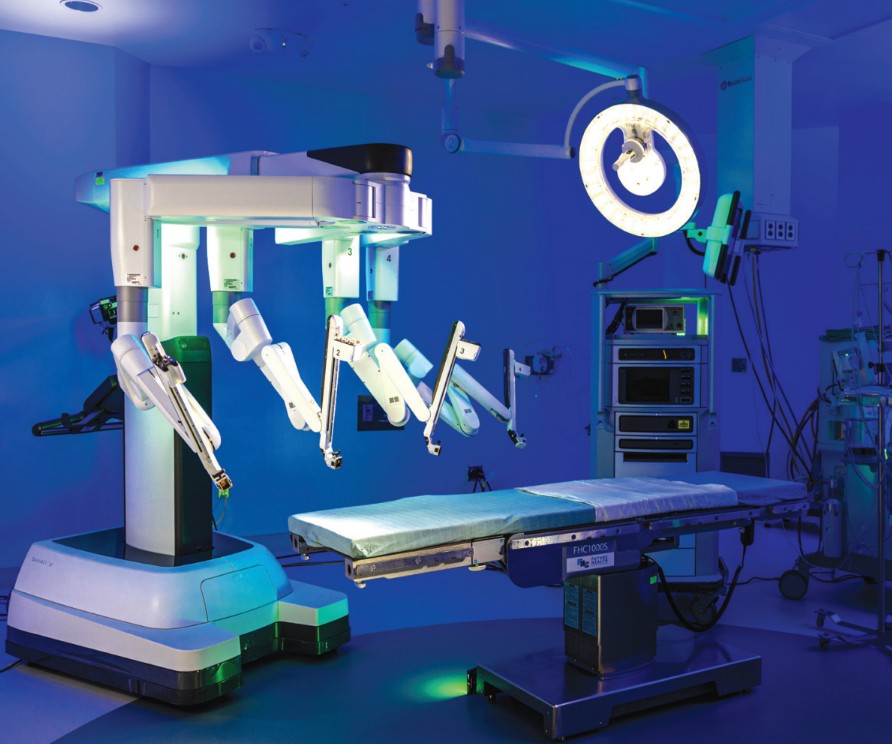
A CON law prohibits healthcare providers from building certain medical facilities, developing new health services or acquiring certain medic...
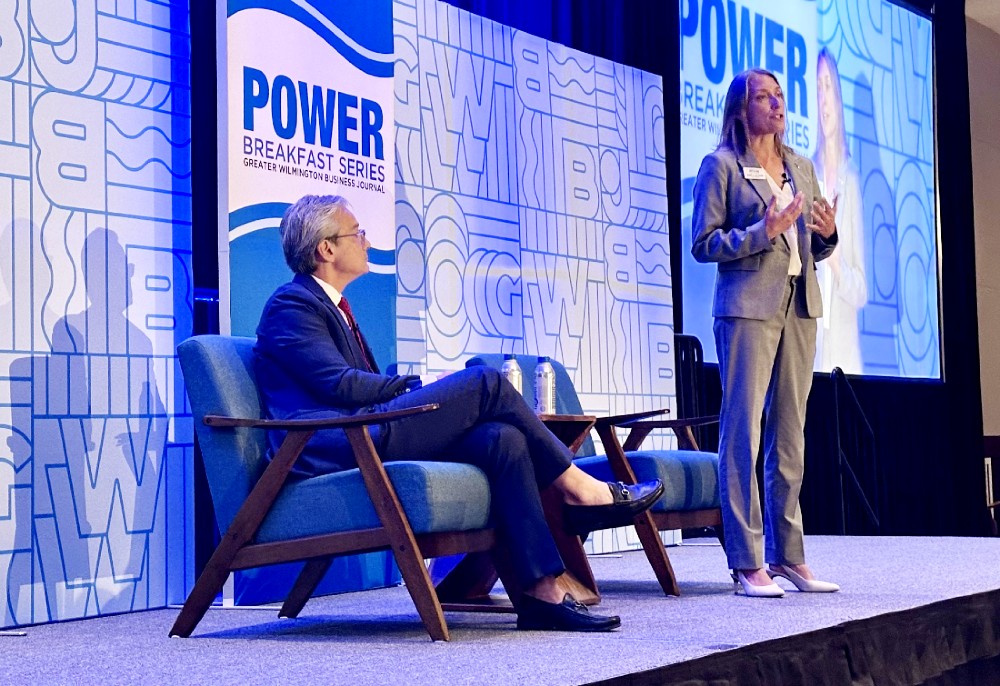
Among the races this year is the contest between incumbent Sen. Michael Lee, R-New Hanover, and newcomer Jessica Bichler for N.C. Senate Dis...

The 2026 WilmingtonBiz: Book on Business is an annual publication showcasing the Wilmington region as a center of business.