Of all the people in an organization, from the entry-level employees to the CEO, who gets the most feedback and who gets the least? Do people who have “bigger” jobs and more people to supervise need more or less feedback?
If there was an issue with your performance and you went to your boss and asked for feedback, what do you think your boss would say? What is the likelihood that you would get an honest and candid answer? Are the chances greater than 50 percent, or less than 50 percent?
The fact is, the higher you are in an organization the less likely you are to get any feedback about your performance. When I was director of international Human Resources at Anheuser-Busch, I reported to the head of Human Resources. He in turn reported to the CEO. I was traveling internationally about 50 percent of the time. So my boss and I were often not in the same country, let alone the same building.
One day, my boss called me up to his office for my performance review. I was looking forward to sitting down with him and having a real dialogue about what I had done well and where I needed to improve. Anheuser-Busch’s international expansion had a number of growing pains and I wanted to hear his perspective. I came into his office and he handed me a yellow 3 inch by 5 inch sticky note. It had three numbers on it. One was my salary increase. One was my bonus and the third number was my stock option grant and the market price on the date of the award. He asked how I was doing. He asked if my family was going anywhere for the holidays. He wished me and my family “happy holidays” and the conversation was over. The whole thing took less than five minutes. That may sound extreme, but there will be senior managers who read this and will shake their heads in agreement because they’ve had a similar experience.
If a manager does something illegal or immoral, he or she will hear about it, with the consequences being up to and including termination. In other instances, an employee may have committed a lesser infraction (still inappropriate) but not be confronted with it because the action didn’t cross that imaginary line.
Performance in the area where nothing illegal or immoral has occurred but the employee is not performing up to an expected standard is a gray area. The manager may think, “If I ignore it, maybe things will get better.” Most managers avoid those uncomfortable conversations unless forced to have them. I call this avoidance “lack of managerial courage.” You as a manager are not happy with the person’s behavior. But without your intervention, the person’s performance is not going to improve. You know it. His peers know it. He may or may not know it, but would try to improve if he was told what to do differently and had the ability to make the change.
In my consulting work, I coach senior managers to improve their performance. Many of these people are seen as “high potentials” by their organization, which means that their organizations hope to promote them in the future. I work with senior managers individually or sometimes in groups in a seminar fashion. In both cases, these people, their managers and their direct reports complete tests or questionnaires. The purpose of this process is for the senior managers to receive feedback on what they are doing well and what they need to work on to be more effective. For some people, the modifications they need to make are minor; in other instances they are significant.
As a consultant, my role is to help the people I coach understand the content (for example, the competencies required for the job, the characteristics of a healthy work environment or different styles of managing people). I then help them understand their test results – this is how you described yourself. I then ask them and help them to interpret the feedback they have received from their boss and their direct reports.
Sometimes people get angry. Sometimes people are hurt by what they learn, but we get past that. We talk about a plan for how they can use what they have learned to improve. For most people it is uplifting to know the areas in which they need to improve and to have a plan to get there. We talk about the fact that feedback is a gift – they are the lucky ones. I suggest that they share a “summary” of what they have learned with the people who provided it for them. I suggest they start the conversation by thanking these folks for the feedback. It is a gift. It is the only way you can improve.
EASI•Consult® works with Fortune 500 companies, government agencies, and mid-sized corporations to provide customized Talent Management solutions. EASI Consult’s specialties include individual assessment, online employment testing, survey research, competency modeling, leadership development, executive coaching, 360-degree feedback, online structured interviews, and EEO hiring compliance. The company is a leader in the field of providing accurate information about people through professional assessment. To learn more about EASI Consult, visit www.easiconsult.com, email [email protected] or call 800.922.EASI.


Wilmington Health Facility Sells For $9.4M
Cierra Noffke
-
Oct 26, 2026
|
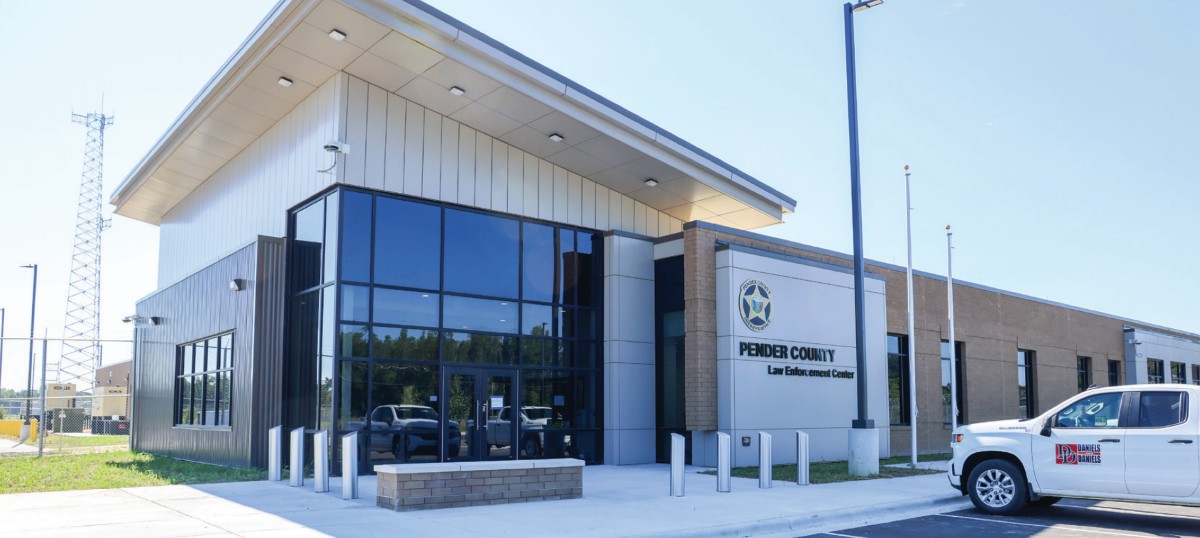
New buildings have opened or will soon open in Burgaw this year to support growing Pender County, including a new law enforcement center and...
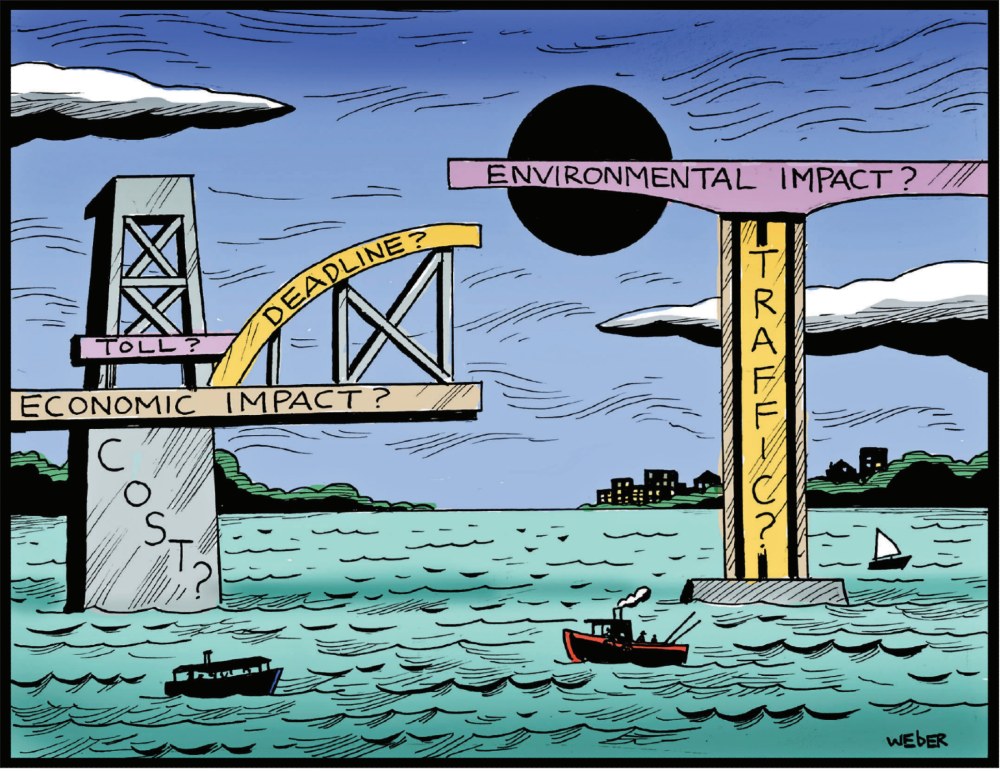
Support for the lower, movable-span bridge dominated spoken comments at the public hearings, and city officials have thrown their support be...
Five candidates are vying for two seats on the New Hanover County board....

The 2026 WilmingtonBiz: Book on Business is an annual publication showcasing the Wilmington region as a center of business.