Urban areas throughout North Carolina have taken the initiative to address and add affordable housing options to their housing stock. The various cities have approached projects differently and achieved measurable results. Each solution shared in public and private leadership, acknowledging the need and then championing specific projects that will create diversified options for their communities. Our local governments can learn and benefit from their progress.
Below are a few examples of initiatives to increase affordable housing; it is worth noting that the projects required public and private – both non-profit and for profit – partnerships and resources. Local governments, with the support of concerned citizens, have lead the way by increasing resources available for working families to purchase or rent safe, decent, housing in a neighborhood that provides access to jobs, schools and other opportunities. At the same time, they’ve come together to preserve existing affordable housing for residents by funding housing rehabilitation and repair programs.
Durham, N.C.
Penny for Housing
Southside Revitalization Project
 Durham’s City Council dedicated a penny of the city’s property tax for affordable housing. As a result, the city has been able to leverage other partners in a large-scale revitalization of the Southside neighborhood. Among the many partners are Duke University, Self Help Credit Union, North Carolina Housing Finance Agency, and private equity investors. The Southside Revitalization Project encompasses 125 acres located between downtown Durham and North Carolina Central University. The site had the lowest homeownership rate and the highest concentration of vacant housing of any neighborhood in Durham. The objective of the revitalization strategy for Southside is to attract long-term private investment. The Southside revitalization strategy has four major components:

 In 2001, Charlotte established a Housing Trust Fund (HTF) to provide capital financing for affordable housing. The fund provides “gap financing” on a competitive basis, to developers for construction of affordable housing serving households earning 50 percent of AMI or below. The availability of “gap financing” allows developers to secure other private and public funds necessary to develop projects that are affordable. Charlotte’s HTF financing can be used for new construction, rehabilitation and acquisitions. Charlotte funds the HTF with general obligation bonds, and has had six successful bond referendums with greater than 60 percent voter approval that have raised more than $104 million dollars. The HTF leverages $6 for every $1 invested in affordable housing, and has funded close to 5,500 units since 2002.
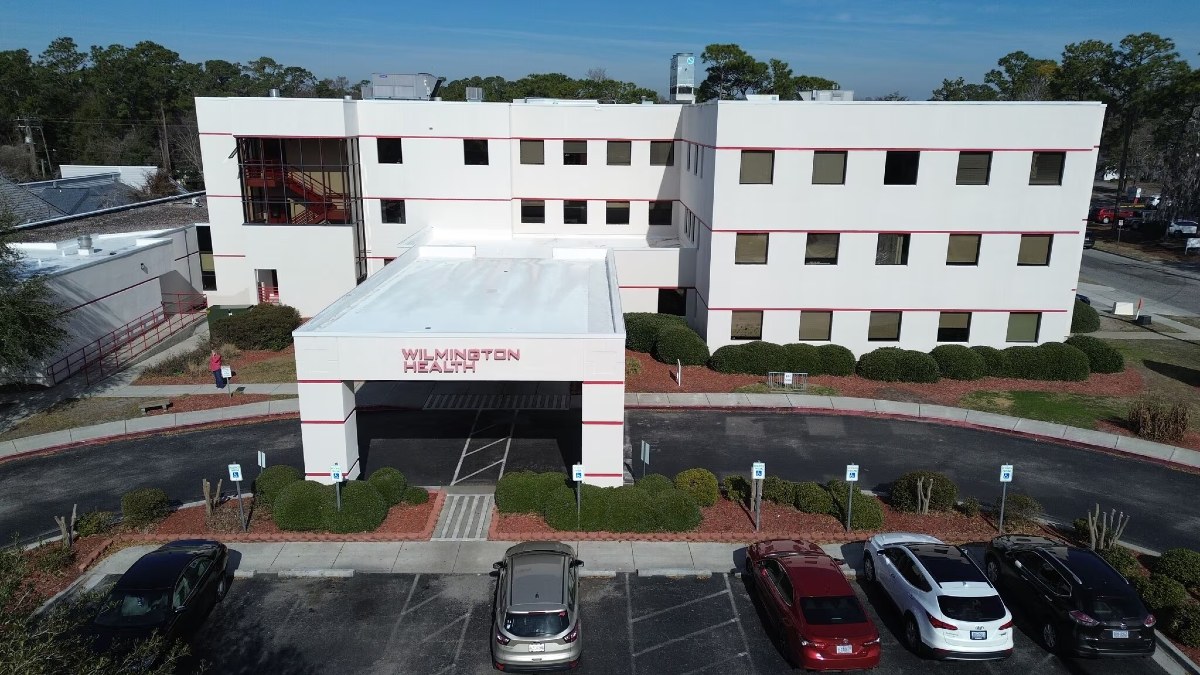
Wilmington Health Facility Sells For $9.4M
Cierra Noffke
-
Oct 26, 2026
|

A CON law prohibits healthcare providers from building certain medical facilities, developing new health services or acquiring certain medic...
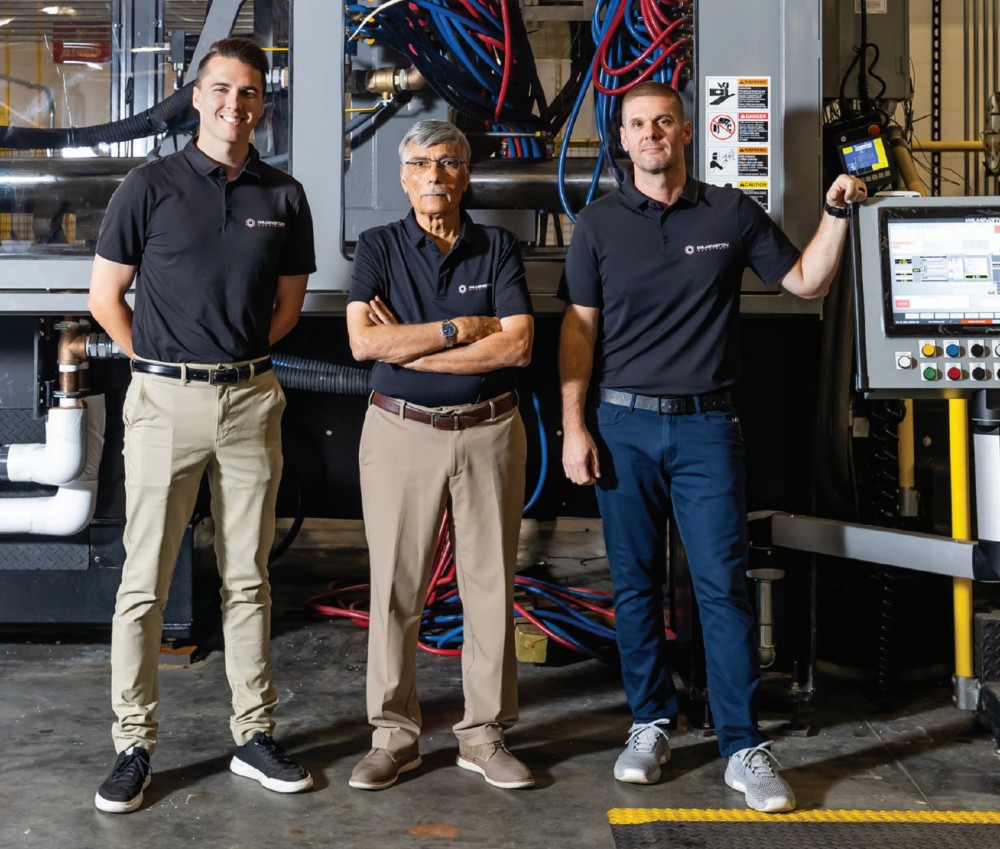
Now under the ownership of Yousry Sayed, the founder of Quality Chemical Laboratories, Wilmington Machinery is eyeing business growth....
Five candidates are vying for two seats on the New Hanover County board....

The 2026 WilmingtonBiz: Book on Business is an annual publication showcasing the Wilmington region as a center of business.