Very few things last 250 years.
Businesses rise and fall. Industries evolve. Technologies become obsolete. Entire economic systems change. Yet as the United States mark its 250th anniversary, it offers a reminder that longevity is rarely the result of avoiding change. It is often the result of adapting to it.
The same lesson applies to financial planning.
When we think about long-term success, we often focus on predicting the future. What will markets do? Which industries will thrive? While those questions matter, history suggests that durability is less about prediction and more about preparation.
Over the past century, investors have experienced world wars, recessions, inflation spikes, financial crises, technological revolutions, and global pandemics. Yet despite periods of uncertainty, those who remained focused on long-term objectives rather than short-term headlines are often rewarded. It’s about the decades, not the quarters.
The families who navigate change successfully are rarely the ones with perfect foresight. Rather, they are generally the ones with flexible plans. Maintaining adequate reserves, revisiting goals, updating documents, and adjusting strategies as changes occur. They prepare for opportunities and challenges before they become urgent.
The same principles extend beyond investments. Careers evolve. Retirement expectations shift. Family dynamics change. A financial plan that worked ten years ago may need further refinement today.
Perhaps that is one of the most overlooked lessons from 250 years of American history. Enduring success does not come from standing still, but can be achieved by maintaining core principles and adapting to changing circumstances.
For investors, those principles may include discipline, diversification, patience, and a commitment to planning. The details may change, but the foundation remains.
As we celebrate America’s 250th anniversary, it is worth asking a simple question: Is your financial plan built for the next market cycle…or for the next generation? The answer may determine whether the wealth you are building today is prepared to endure tomorrow.
Contact us for a conversation about planning well, investing wisely, and living fully.
Tyler Thomas is a Financial Advisor with The Cypress Group Team of RBC Wealth Management located in Wilmington, NC, helping families, professionals, and business owners plan, invest, and live with confidence.
www.linkedin.com/in/roberttylerthomas
1055 Military Cutoff road, Suite 200
Wilmington, NC 28409
910-509-0832
Neither RBC Wealth Management, a division of RBC Capital Markets, LLC (“RBC WM”), nor its affiliates or employees provide legal, accounting or tax advice. All legal, accounting or tax decisions regarding your accounts and any transactions or investments entered into in relation to such accounts, should be made in consultation with your independent advisors. No information, including but not limited to written materials, provided by RBC WM or its affiliates or employees should be construed as legal, accounting or tax advice.
Investment and insurance products offered through RBC Wealth Management are not insured by the FDIC or any other federal government agency, are not deposits or other obligations of, or guaranteed by, a bank or any bank affiliate, and are subject to investment risks, including possible loss of the principal amount invested.
© 2026 RBC Wealth Management, a division of RBC Capital Markets, LLC, registered investment adviser and Member NYSE/FINRA/SIPC. All rights reserved.

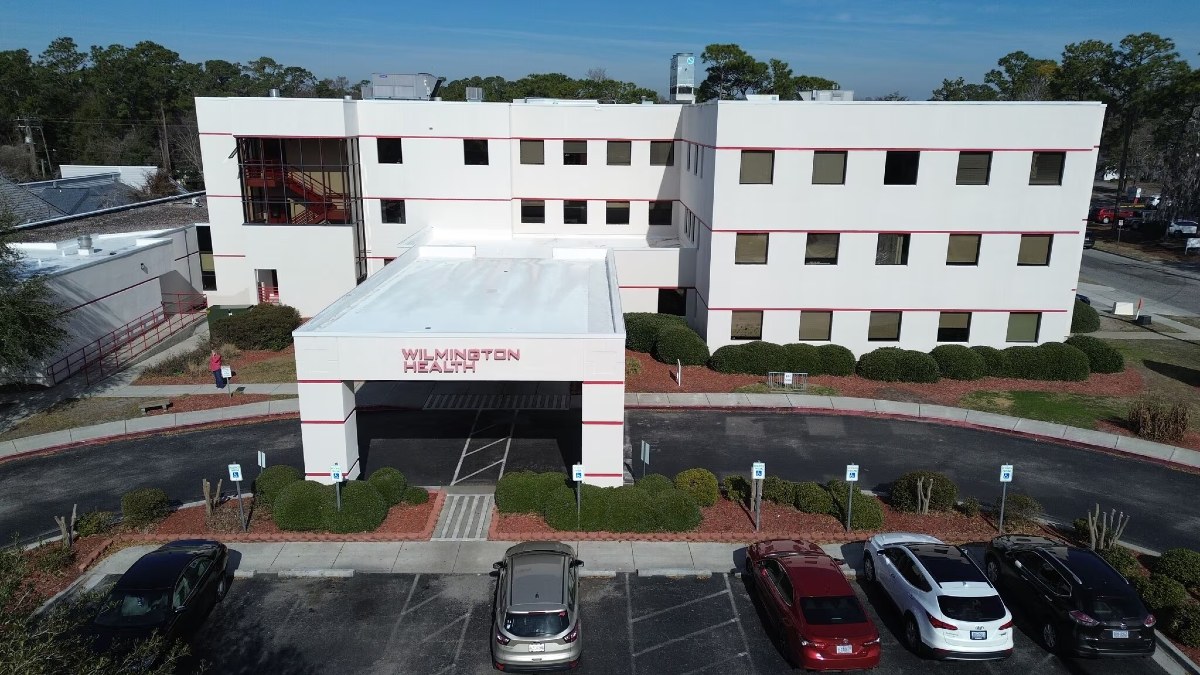
Wilmington Health Facility Sells For $9.4M
Cierra Noffke
-
Oct 26, 2026
|

While downtown also benefits from general fund expenditures, the municipal service district (MSD) “is a way of having some additional money...
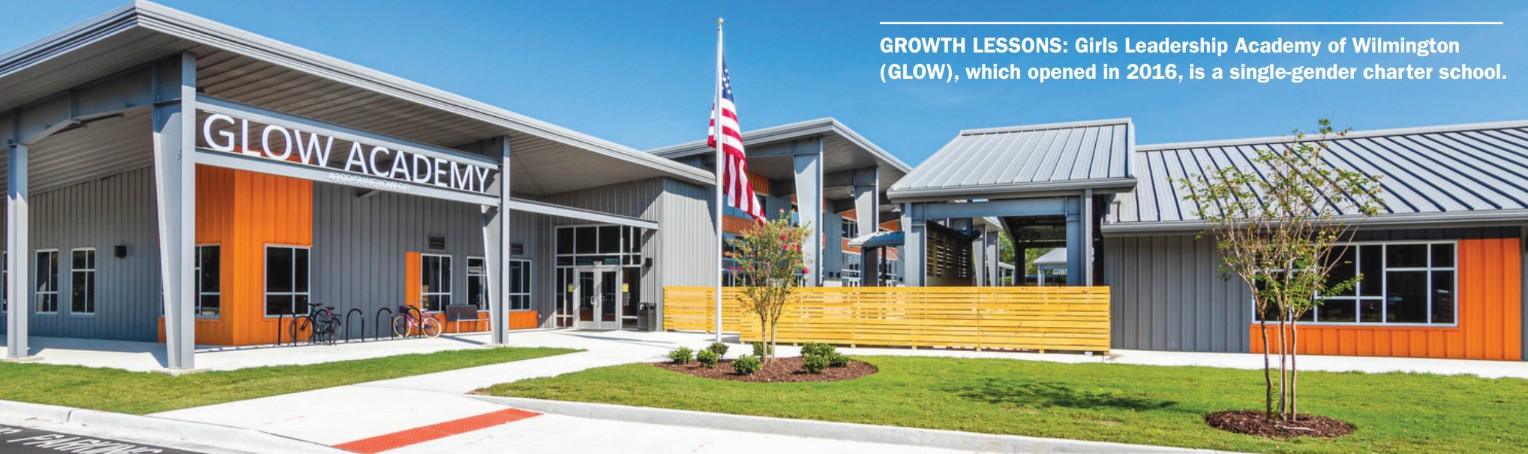
While the state’s charter school sector grows, Wilmington charter schools are seeing demand of their own – presenting both opportunities and...
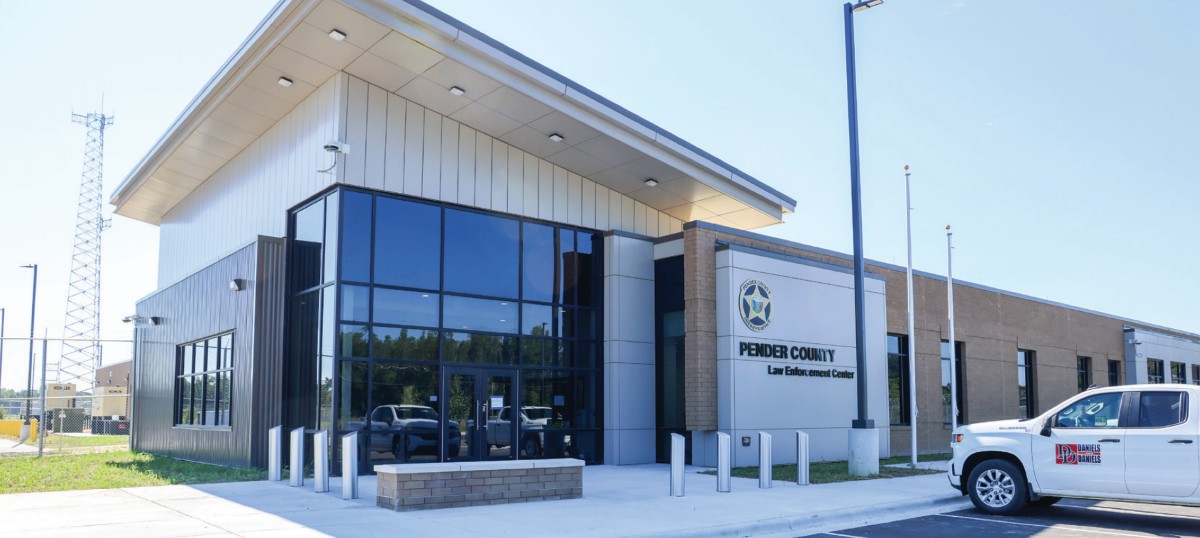
New buildings have opened or will soon open in Burgaw this year to support growing Pender County, including a new law enforcement center and...
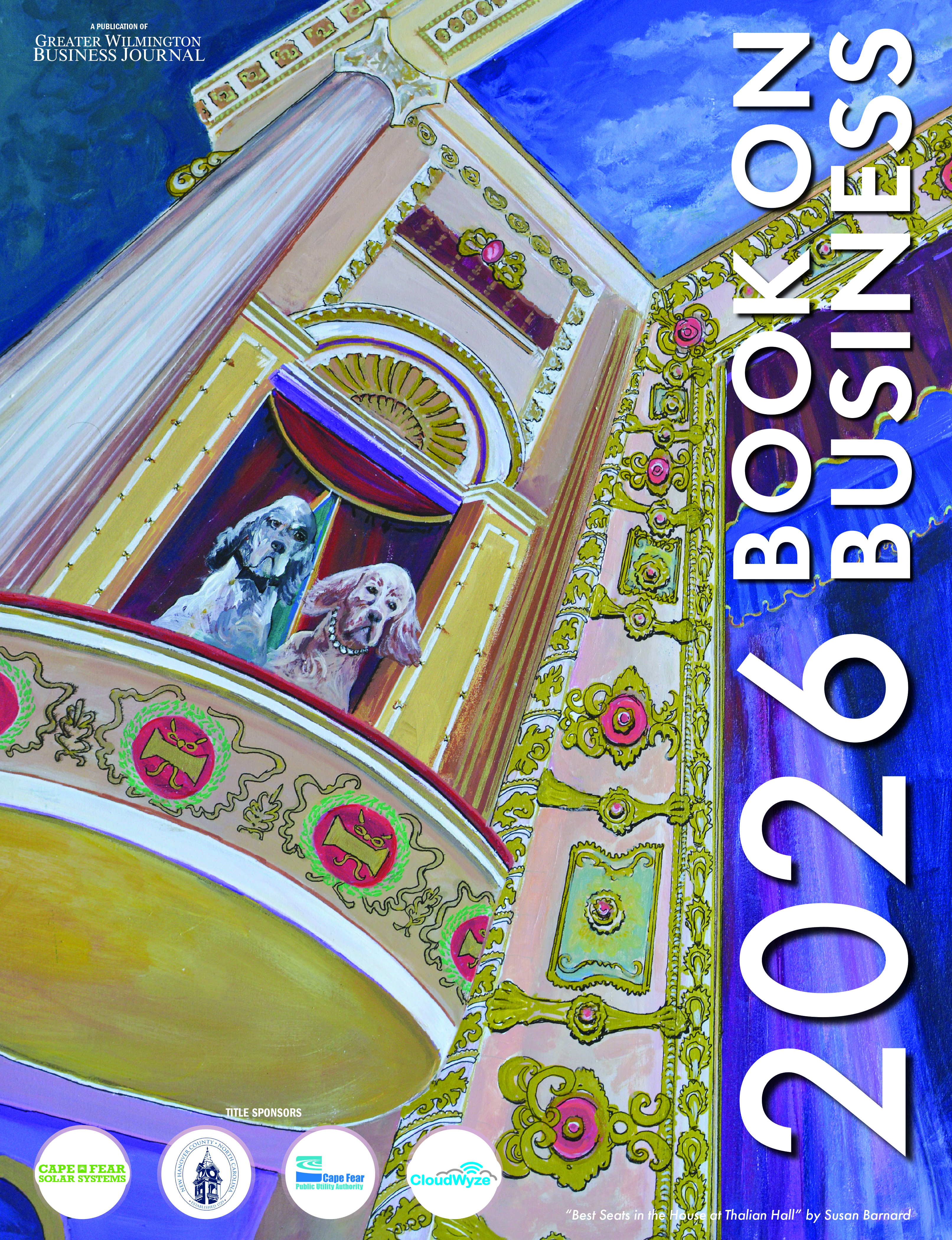
The 2026 WilmingtonBiz: Book on Business is an annual publication showcasing the Wilmington region as a center of business.