The Greater Wilmington Chamber of Commerce is shifting its approach to a regional tech workforce initiative.
Initially formed by the Cape Fear Collective using American Rescue Plan Act (ARPA) funding, the Tech Talent Collaborative launched in 2022 to bolster Wilmington’s tech workforce pipeline.
In 2022, city of Wilmington leaders unanimously approved using $2.5 million in ARPA funds to launch DigitalBridge Wilmington. The initiative, developed in partnership with Cape Fear Collective, StepUp Wilmington and Wireless Research Center of North Carolina, aimed to provide training and connect participants to high-demand tech jobs.
In 2024, the collaborative, hosted by the Cape Fear Collective and led by co-chairs from Vantaca, Live Oak Bank and MegaCorp Logistics, partnered with Charlotte-based Stiegler EdTech to offer a competitive tech training program for qualified applicants.
But shifting headwinds in the technology industry's hiring market altered the program’s trajectory.
Lisa Leath, chief people officer at Vantaca and founder and president of Leath HR Group, was one of the founding co-chairs of the collaborative when it first launched. In an email to the Business Journal, she wrote that the initiative was created to solve a “hiring problem” and to improve collaboration among tech firms competing for talent.
“Vantaca was scaling, and we couldn’t find enough local engineering talent,” Leath said. “No single employer in a market this size can build a talent pipeline alone. The collaborative was a bet that competitors could share demand data and split the cost of building supply.”
Roughly 900 people applied for the Careers in Technology Apprenticeship Cohort (CTAC), but only about 30 were accepted. Participants were compensated with a $17,000 stipend over the 24-week program.
“The timing was hard, unfortunately,” Leath said. “Graduates finished right as AI tools started reshaping what entry-level engineering work looks like nationally now and for the future.”
According to Pasha Maher, president and co-founder of Stiegler EdTech, around 20 participants completed the program and roughly half secured jobs. The organization continued working with the remaining graduates to help them find employment, he said.
"There were large employers in Wilmington at the time who said, you know, 'We're putting a hiring pause indefinitely as we figure our stuff out,’” Maher said. “So, yeah, (Wilmington) wasn't the only city to do that. There are many other places and companies who did that."
Maher pointed to broader macroeconomic headwinds and uncertainty surrounding AI, saying they contributed to changing demand for technical skills and pauses in entry-level hiring.
"As AI became more of an uncertainty and a question mark, even people who had long-term plans sort of put a pause and said, 'Hey, we don't know the answer, so we're going to stop doing everything.' And that's everyone from Microsoft to a mom-and-pop shop,” he said.
A recent report from the Stanford Institute for Economic Policy Research noted a sharp decline in entry-level, early-career hiring in "AI-exposed occupations," like software engineering, in 2024, as well as rising unemployment rates for new graduates. According to SignalFire's 2025 State of Tech Talent Report, entry-level tech hiring at the big technology companies fell around 25% in 2024 compared to the previous year.
“There was an opportunity that presented itself that we might help people who hadn’t yet found a good opportunity to earn a living wage and to find a job that would provide them access to a better life,” said Natalie English, president and CEO of the Greater Wilmington Chamber of Commerce. “The only challenge (was) that the landscape then changed while they were taking these classes, while they were preparing themselves for jobs that then no longer existed.”
The Tech Talent Collaborative moved to the Greater Wilmington Chamber of Commerce in 2025 and is now operating as a “tech council,” English said.
With ARPA funding spent, the group has shifted its focus. The latest phase of the initiative represents a “strategic shift,” said Leath, toward “building sustainable, employer-aligned workforce readiness partnerships and talent attraction initiatives.”
The council now convenes quarterly, with the goal of drawing together major tech employers and organizations to identify workforce needs. It is co-chaired by Ashlye Hernandez, formerly the executive director of global talent acquisition at nCino, and Ramona Jackson, chief of technology portfolio management at Live Oak Bank.
The council model serves as a testing ground for addressing industry workforce needs, English said, pointing to the New Hanover Healthcare Career Partnership as an example of that model in motion.
While the collaborative and initiative has evolved to match industry needs, leaders remain optimistic about the future of tech growth in the region.
“Our tech industry in this region is still growing. They're still hiring lots of people,” English said. “Some of them are building new buildings to accommodate all these extra people, so that we still have a burgeoning tech industry here, and I don't see that changing anytime soon."
NC Tech’s recent State of the Technology Industry Report, which is based on 2024 data, reported that Wilmington outpaced average overall job growth in the state and in the nation, even while the number of tech jobs declined statewide.
Leath emphasized the change in her email, writing that “tech sector growth and tech job growth have somewhat decoupled.”
“Valuation and headcount aren't moving together the way they used to,” she said, “and I think any city telling a straight ‘tech jobs are booming’ story right now is oversimplifying.”
Both English and Leath emphasize the need for continued improvements to quality-of-life infrastructure – including housing, school, transportation and cultural investments – to make Wilmington a more competitive destination for long-term workforce attraction and community growth.
“Salary and beach access get a candidate to say yes to working remotely for us and visiting once or twice a year, but school quality and finding community is what gets a family to actually buy a house in Wilmington,” said Leath.
“We've done a great job in Wilmington over the last 10 years of slowly chipping away at the things we didn't have,” said English, “and we just have to keep thinking about that."

Ashworth Joins Mincey Bell Rhoades Law Firm
Staff Reports
-
Sep 15, 2026
|
|
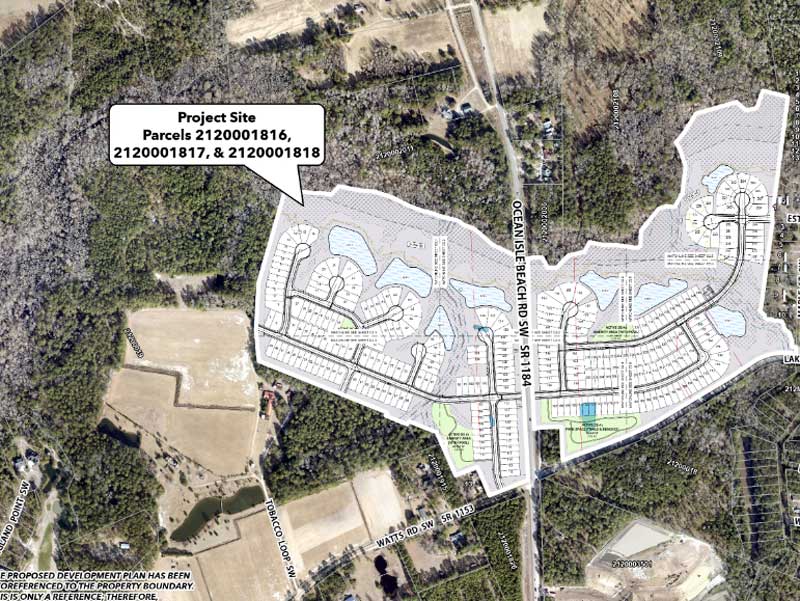
Brunswick County Planning Board To Consider 450-home Development Plans
Cierra Noffke
-
Sep 14, 2026
|
|
Pipe And Valve Distributor Opens Wilmington Branch
Staff Reports
-
Sep 15, 2026
|
|
Wilmington-area Companies Named Finalists For NC Tech Awards
Cierra Noffke
-
Sep 15, 2026
|
|
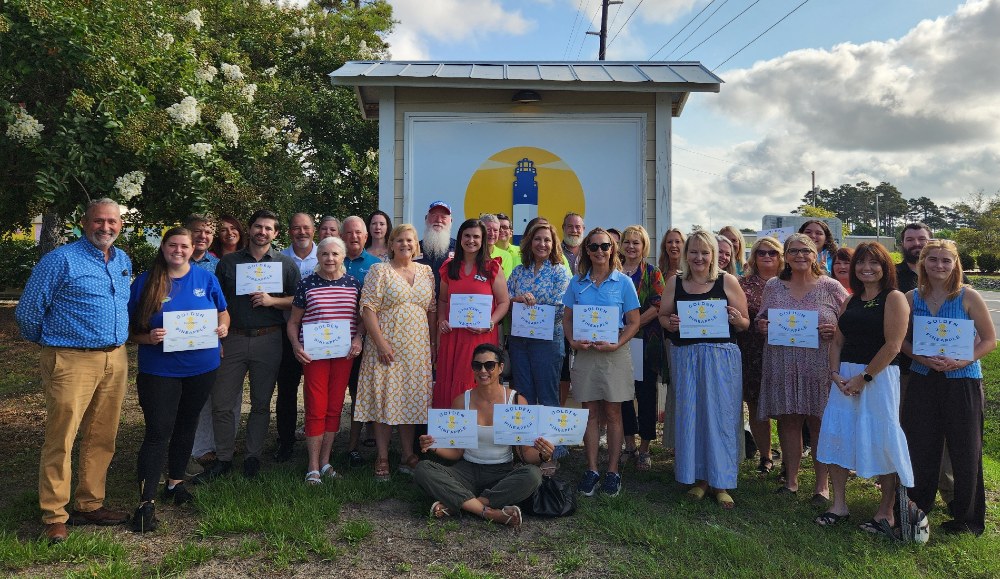
Southport-Oak Island Chamber Announces Summer Awards
Staff Reports
-
Sep 15, 2026
|
|

Funded by donations, offerings and grants, Hope Recovery is permanently housed in the former Devon Park United Methodist Church and hosts mo...

At $1 million and above, buyers have more choices than they did during the pandemic-era market, and they have more time to make decisions, a...

In a tumultuous federal and state funding environment, nonprofits are feeling the pinch and the looming uncertainty of policy changes, offic...

The 2026 WilmingtonBiz: Book on Business is an annual publication showcasing the Wilmington region as a center of business.