The latest scam affecting the Wilmington area involves hackers calling residential phone numbers, impersonating IRS agents. In the automated call, a robotic voice issues the following voicemail: “This is an alert to notify you that the IRS has filed a lawsuit against you. Please call 719-217-40#4 for more information.”
When the confused and alarmed person returns the call to find out what is going on, the criminal at the other end of the call initiates a conversation aimed at building credibility. By sharing information that is either publicly available or that has been compromised as a result of a data breach from a different organization, the hacker establishes trust with the target of the scam.
As an example, the criminal might say that, “I see you have a son named Fritts, who lives in Wilmington and was born in Greensboro.” The targeted person recognizes the validity of the information and then feels comfortable sharing what the criminal is seeking, such as Social Security numbers, dates of birth, driver’s license numbers, and the like. It’s also not uncommon for criminals to make threats to obtain credit card information.
The calls are being made in the daytime during business hours in an effort to prey on children and the elderly. It is an alarming trend in the world of cybercrime but this particular scam is not new. Apparently the criminals have been using this scam since December 2014 by robo-dialing the lower numbered area codes, and they are just now reaching the 900s.
“Caution is the key to staying safe,” says Steve Wood, CPA, of McIntyre, Paradis, Wood and Company, CPAs, a locally based accounting firm. “Never return a call or an email that appears to be from the IRS. They will never leave a voicemail or send an email to initiate contact.”
Furthermore, Wood adds that the IRS prefers to communicate through certified mail. He explains: “The IRS usually first contacts people by mail – not by phone – about unpaid taxes. And the IRS won't ask for payment using a prepaid debit card or wire transfer. The IRS will never ask for a credit card number over the phone.”
In essence, when hackers leave a voicemail or sends an email, they might as well be climbing a mountain and waving a big red flag. Another dead giveaway for those in the know occurs if the hackers mention they are from the Internal Revenue Services instead of the Internal Revenue Service.
Still, it’s easy to see why a person could be tricked into believing they just received a call from the IRS, especially when the call originated from a trusted area code such as 719, which is in Colorado. With only a limited understanding of technology, a criminal can make a call appear to come from anywhere, when in reality it might have originated from Nigeria, for example.
The trust factor and its impact on the effectiveness of the hackers is only compounded after considering all of the data breaches that have occurred over the past few years. Many people may not realize that their personal information might have been purchased and sold on numerous occasions.
Information gained from the widely publicized Target hack that happened several years ago could be used to gain credibility, for example. Criminals also gained access to a wealth of taxpayer information from the IRS consumer site, which was compromised on numerous occasions between January 2014 and May 2015.
To summarize, the most effective strategy for safeguarding information is to be cautious. It’s also worthwhile to check your credit reports periodically. If you are unsure about the credibility of a phone call or email, call a friend, family member or expert professional if necessary to get their thoughts before you do anything else.
There is a huge variety of scams targeting consumers and this is just the tip of the iceberg. For more information about the latest tactics criminals are using to get your information, visit IRS.gov and review the consumer alerts section of the website. If you're frustrated with the IRS scam calls, it's possible to send complaints to [email protected].
Patrick Stoy (NMLS Numbers 39527 and 39166) has 16 years of mortgage lending experience. Patrick is CEO of Wilmington-based Market Consulting Mortgage, which he started in 2005 with a mission to build lifelong customer relationships by providing real value. To learn more about Marketing Consulting Mortgage, visit www.macmtg.com. Patrick can be reached at [email protected] or (910) 509-7105.


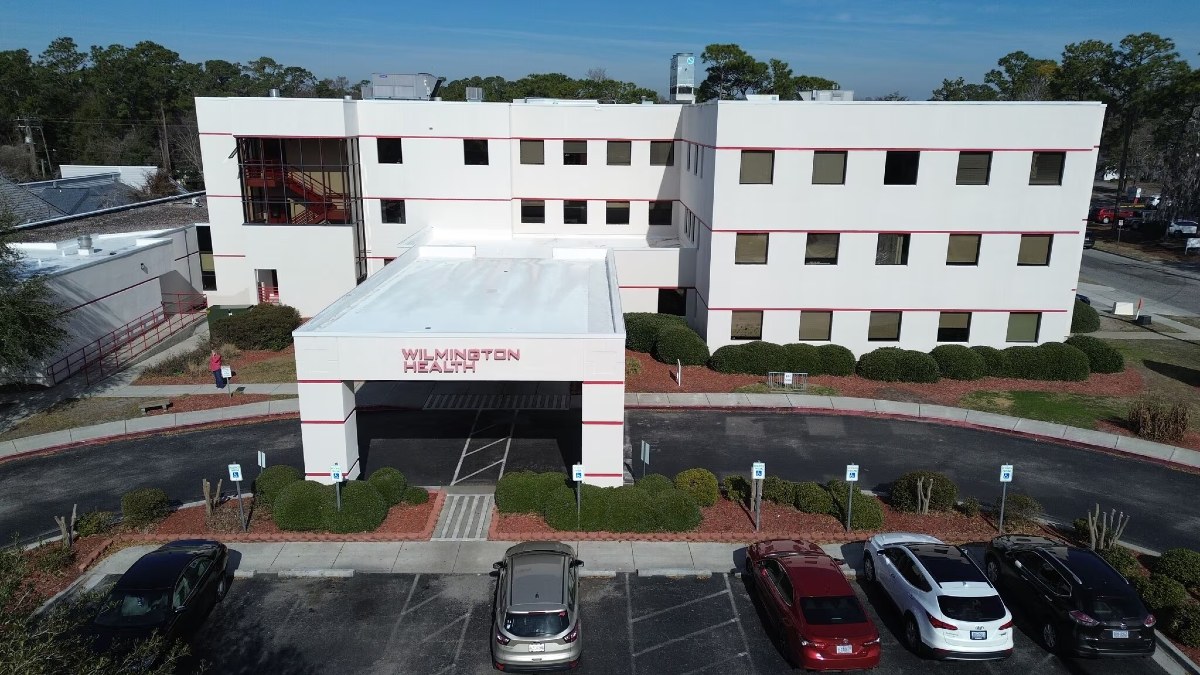
Wilmington Health Facility Sells For $9.4M
Cierra Noffke
-
Oct 26, 2026
|

Uncertainty hangs over the hemp industry, including businesses in Wilmington that depend on the sale of hemp-based THC products....
Candidates vying to represent local districts in the N.C. House of Representatives answer questions on timely topics....

While the state’s charter school sector grows, Wilmington charter schools are seeing demand of their own – presenting both opportunities and...
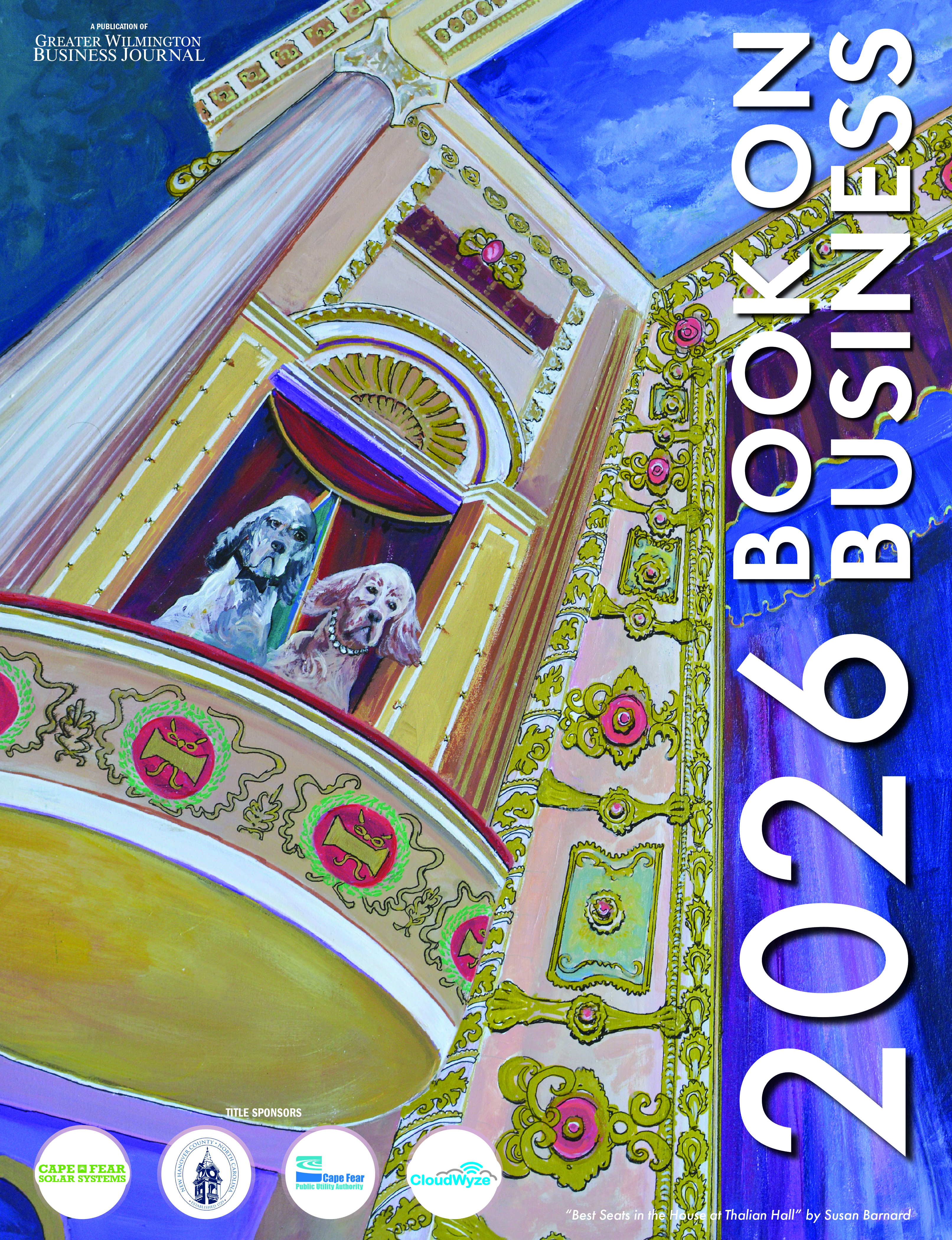
The 2026 WilmingtonBiz: Book on Business is an annual publication showcasing the Wilmington region as a center of business.