We make many different decisions all day long based on our preferences for decision-making. How we approach those decisions, and also knowing how others prefer to make their decisions, plays a role in building quality to the decision-making process.
In comparing the Forté strength of dominance and non-dominance, decision-making preferences are one of the key takeaways of the strengths.
Dominance
The dominant individual, at the very least, appreciates being included in the decision-making process, if not making the decisions on his or her own. Left out of that process, that person can be demotivated and not as enthusiastic about the decision being made. This is all the result of the dominant individual wanting to get things done. They will tend to be very competitive, definitely decisive and a risk taker.
Non-dominance
The non-dominant individual, on the other hand, is very much interested in getting input from others before a decision is made. He or she is sincere about it, and all contributors should take this seriously in the decision-making process. Non-dominant people are still very much decision-makers, yet their preferences are to be congenial, cautious and a calculated risk taker.
For example: A group of non-dominant individuals trying to decide where to eat tends to go a little like this:
Well, I don’t care where we go.
It is totally up to you all.
What kind of food are you in the mood for?
A group of dominant individuals would sound like this: Let’s go to Moe’s. It’s inexpensive, quick and delicious.
Do either one of those examples sound familiar?
These two strengths balance each other, as decisions do need to be made. In many cases, collaboration in advance of the final decision works well. That said, getting a decision made on a timely basis could also significantly influence results.
It is also important to remember that while we have our preferences, we also face decision-making opportunities in different situations, different environments and with different individuals. That is where the Forté Adapting Profile comes into play.
When we see the dominant individual adapting to the non-dominant strength over the most recent 30-day period, that suggests he or she is feeling the need to get input from others, may be feeling a bit more modest, composed, congenial and definitely willing to listen.
When we see the non-dominant individual adapting to the dominant strength over the most recent 30-day period, that suggests he or she is feeling the need to get some decisions made, something that typically occurs after that person has the level of input deemed necessary to make a good decision. You can expect he or she is feeling self-assured, positive, confident and probably well-organized to move forward.
If you would like to get more of an understanding of this, we welcome you to click on this link and complete your own Forté Communications Style surveys. This will pair you for our next article when we look at how the current adapting and current perceiver profiles interrelate with both the primary profile and within themselves. The surveys take less than eight minutes to complete and you receive your results immediately.
C.D. “Hoop” Morgan, III is the founder and chairman of The Forté Institute, LLC, a global behavioral sciences firm best known for developing and providing innovative people, process and interpersonal performance improvement solutions. Forté provides online communication style reports to more than 6,000 corporate clients throughout the globe. To learn more about the company, go to www.theforteinstitute.com or call (910) 452-5152.


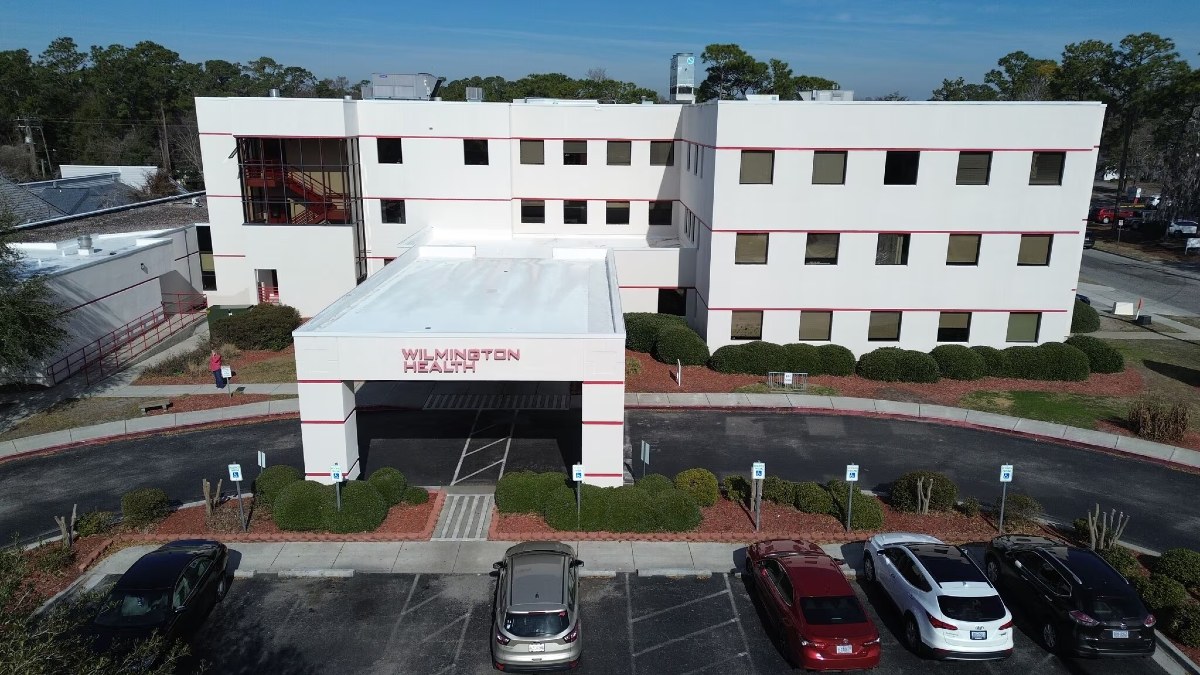
Wilmington Health Facility Sells For $9.4M
Cierra Noffke
-
Oct 26, 2026
|
Five candidates are vying for two seats on the New Hanover County board....

While downtown also benefits from general fund expenditures, the municipal service district (MSD) “is a way of having some additional money...
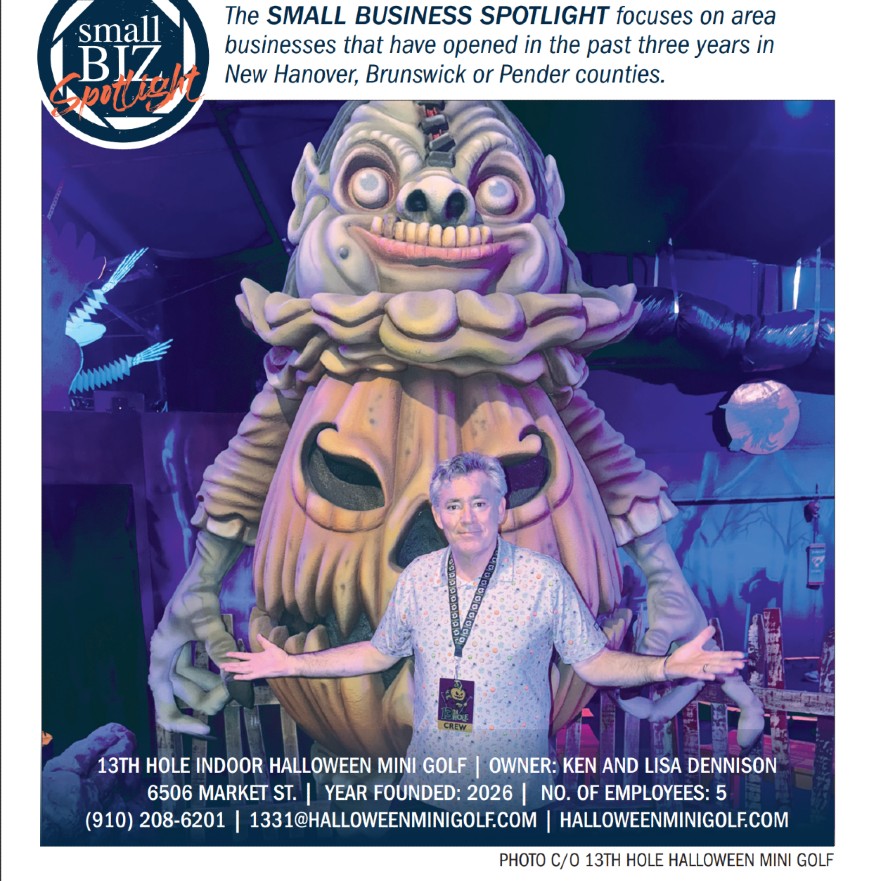
“Our vision is to create a mini-golf experience that becomes a welcoming space for everyone who enjoys a fun adventure with friends and fami...

The 2026 WilmingtonBiz: Book on Business is an annual publication showcasing the Wilmington region as a center of business.